
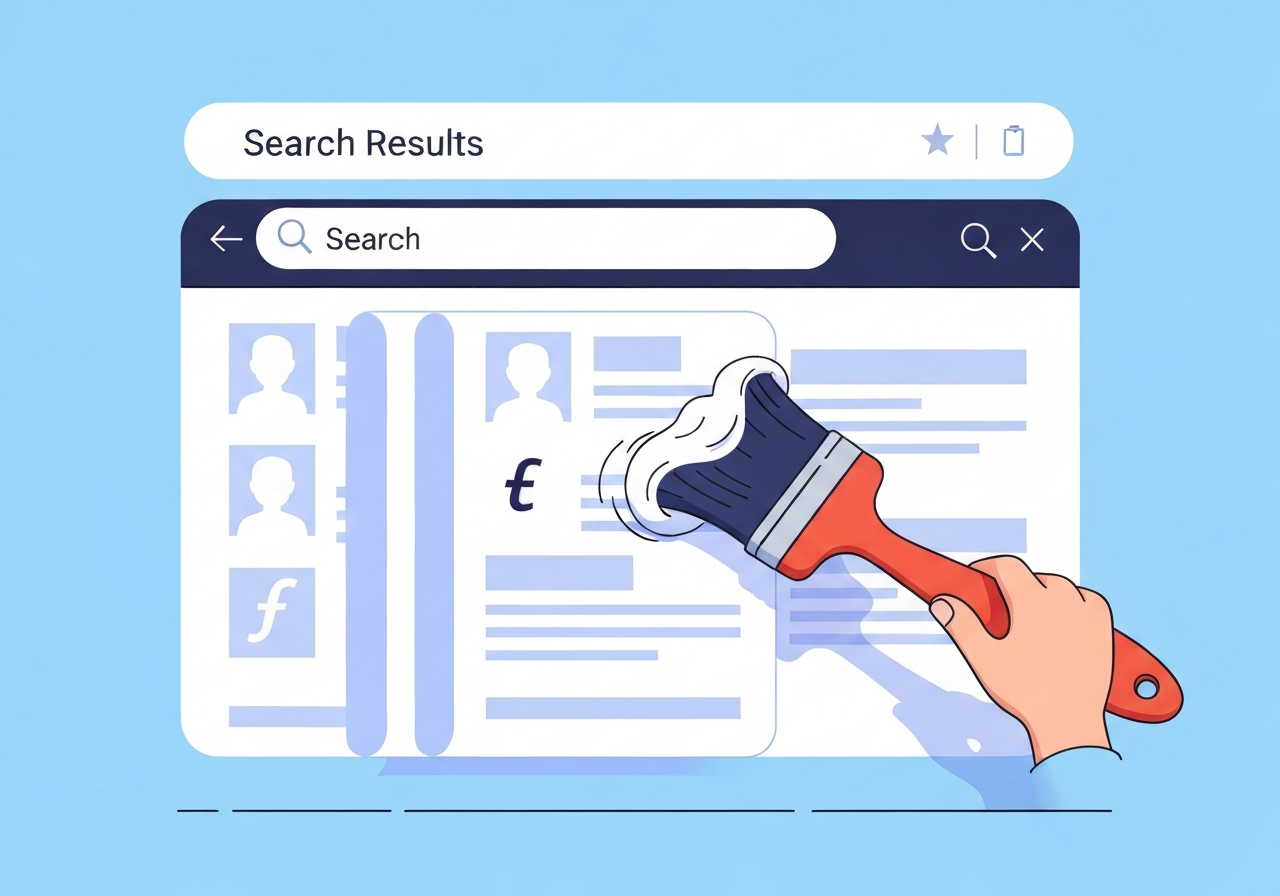
Millions of people find their name, home address, phone number and other personal details in Google search results — often because data brokers republish public and private records. Google offers a free automated option called Results About You that alerts users when it finds their contact details and can request removals; the company recently updated the feature to broaden its usefulness. Despite its availability, only a small share of users appear to have enabled the automated alerts. The tool works automatically for Google account holders and also provides a manual removal route for people who prefer not to sign in.
Key takeaways
- Google operates a free service named Results About You that detects and can remove personal contact details from search results.
- When enabled, the service emails users if it finds their name, email, phone number or home address in results; in the US it can also flag Social Security numbers and passport or driver’s licence data.
- The automated alerts require a Google account, but a separate manual removal process exists for non-signed-in users.
- Data brokers routinely package and sell personal records — including names and addresses — often at low cost, increasing exposure to telemarketers and fraud.
- Google recently updated Results About You to expand coverage and simplify removals, yet adoption remains low among typical users.
- Activists and privacy experts say the feature is an effective, low-effort safeguard but caution it is not a substitute for broader regulation of the data-broker industry.
Background
For years companies called data brokers have aggregated public records, marketing lists and other sources into searchable profiles that include names, phone numbers and home addresses. Those profiles are sold to customers ranging from marketers and background-check services to bad actors seeking to harass or commit identity theft. Because major search engines index third-party sites, brokered data is often easily discoverable with a simple name search.
Search engines routinely crawl and index the web to return relevant results, and that indexing can surface sensitive personal information scraped from broker sites. In response to growing safety and privacy concerns, search providers have developed removal channels for specific categories of doxxing or highly sensitive material. Google’s Results About You is one such channel designed to reduce the visibility of contact and identity information in search results.
Main event
Results About You lets a signed-in user register a set of personal identifiers — typically their name and contact details — and then receive alerts when Google’s systems find matching information in public web pages. When alerted, the user can review the matches and submit removal requests through a streamlined interface instead of filing separate reports against each site. Google says the workflow simplifies what used to be a more cumbersome, manual process.
In the United States, the service also provides additional detection for government identifiers such as Social Security numbers and passport or driver’s licence details, enabling users to request removals for those categories. Google’s announcement accompanying the update emphasized speed and accessibility as primary goals for the redesign.
For people without a Google account — or who prefer not to enable automated monitoring — Google still accepts individual removal requests submitted manually from search result pages. That process requires identifying the specific result URL and following the guidance on the help pages to request delisting of sensitive information.
Analysis & implications
At an individual level, Results About You offers a clear, low-effort way to reduce the surface area attackers and harassers can use. For many users, being notified automatically when sensitive contact or ID information appears in results removes significant friction and may materially reduce unwanted contact and risk of fraud.
However, the feature addresses discoverability in search results, not removal from the original websites or eradication of records from data-broker databases. Even when search engines delist pages, copies and aggregated profiles can persist on broker platforms, so search removals are a mitigation rather than a cure.
On a policy level, automated tools from platforms place the burden of remediation largely on individuals rather than on the companies that collect and sell personal data. Privacy advocates argue that durable protection requires stronger regulation of data brokers, transparency mandates and easier ways to delete personal profiles at the source.
Internationally, the tool’s effectiveness varies: the kind of automatic detection and the types of removable information differ by jurisdiction, and legal frameworks such as the EU’s GDPR provide additional routes for deletion in some regions. That means the real-world impact of Google’s offering will depend on local laws, broker behavior and user adoption.
Comparison & data
| Feature | Automated Results About You | Manual removal |
|---|---|---|
| Requires Google account | Yes | No |
| Alerts when new matches appear | Yes | No |
| Removes search visibility | Yes (where eligible) | Yes (case-by-case) |
| Detects government IDs (US) | Yes | Can be reported manually |
The table shows the key trade-offs between the automated and manual paths: automation adds convenience and ongoing monitoring but requires a Google account, while manual removal accepts one-off requests without sign-in. Users should weigh convenience against account and privacy preferences when deciding which route to use.
Reactions & quotes
“This is one of the most important easy-to-use privacy tools available — it reduces effort for people who want basic protection.”
Thorin Klosowski, Electronic Frontier Foundation (privacy advocate)
“We updated the service to make it simpler for people to find and ask for removal of sensitive contact and ID information from search results.”
Google (company statement)
Privacy advocates applaud the convenience but continue to press for stronger rules on data brokers themselves. Some users who tried the updated flow report faster acknowledgements from Google, but outcomes vary depending on the hosting site and whether the content meets removal criteria.
Unconfirmed
- The total number of data-broker companies currently selling personal profiles is not definitively known and varies by market.
- The precise share of Google users who have enabled Results About You’s automated alerts has not been publicly disclosed by Google.
- The long-term effect of search-result removals on the prevalence of brokered profiles across the web is still unclear and requires follow-up study.
Bottom line
Results About You is a practical, no-cost tool that materially reduces the visibility of some personal details in Google search results and can lower immediate risks from unwanted contact and opportunistic fraud. It is especially useful for people who want a low-effort way to monitor and act on searchable contact and ID information.
But this tool is a mitigation, not a cure: it does not delete profiles from broker sites or stop data collection at source. For lasting protection, users and policymakers should push for stronger controls on data brokers, clearer deletion pathways at the origin, and greater transparency about who collects and sells personal records.