
Lead
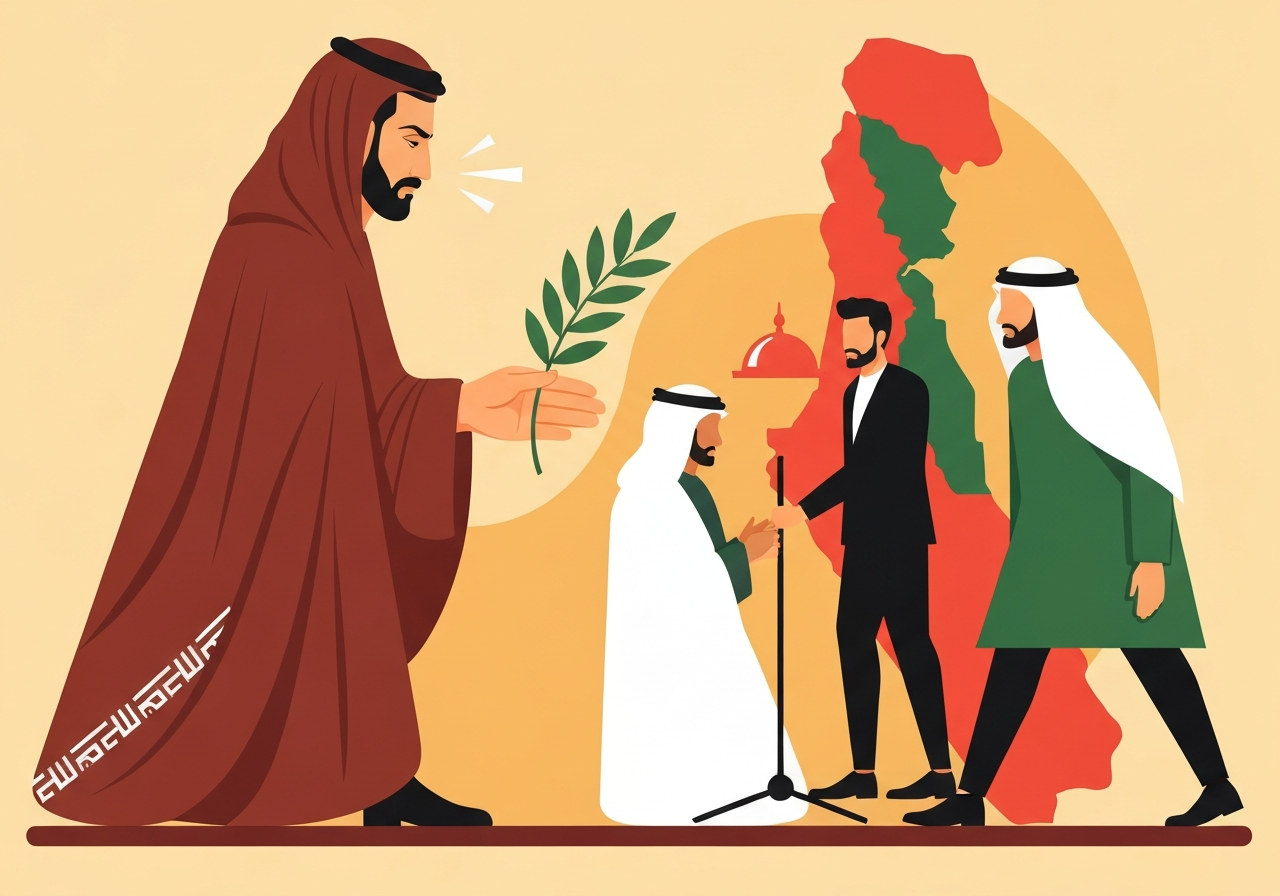
Iran’s interim president, Masoud Pezeshkian, apologised to neighbouring Gulf states on 7 March, saying Tehran will not strike countries that do not attack Iran. The Iranian armed forces, however, immediately qualified that by reserving the right to hit US and Israeli assets. In Washington, President Donald Trump warned of additional strikes and did not rule out future deployment of US ground forces, a move that keeps the region on a knife-edge.
Key takeaways
- On 7 March, President Masoud Pezeshkian publicly apologised to Gulf neighbours and pledged not to attack countries that refrain from aggression against Iran.
- The Iranian military asserted it will continue strikes on US and Israeli assets and said it has targeted bases it said originated aggression against Iran.
- US President Donald Trump said he might deploy ground troops “possibly” at a later date and warned Iran could be hit “very hard.”
- Iranian authorities report damage to more than 6,000 civilian structures: 5,535 residential units, 1,041 commercial buildings, 65 schools, 14 medical centres and 13 Red Crescent facilities.
- Regional transit and energy routes are disrupted: the Strait of Hormuz, which handles about 20% of global oil and LNG, has been affected; Adnoc is managing offshore output and Aramco is diverting shipments to Yanbu.
- Israel announced continued strikes on Iranian targets and claimed broad control of Iranian airspace; fighting also escalated in Lebanon and along other borders.
- Diplomatic pressure has mounted from Oman, Turkey, Qatar and others calling for de-escalation and offering shuttle diplomacy.
Background
The current crisis followed a wave of US and Israeli airstrikes against Iranian facilities, which Tehran calls unlawful aggression. In the course of those strikes, both military and civilian infrastructure in Iran sustained substantial damage, prompting Tehran to retaliate against what it identified as the sources of the attacks. Regional states have responded unevenly: some backed US-led action, others urged restraint and de‑escalation.
Gulf monarchies, whose economies and security depend on stable shipping and energy flows, have faced immediate economic fallout. Key Gulf producers and terminals have re-routed shipments and adjusted storage amid surging oil prices. At the same time, smaller regional actors and non-state groups have been drawn in, complicating diplomatic responses and raising the risk of a broader conflagration.
Main event
On 7 March, Masoud Pezeshkian told neighbouring governments he regretted harm caused by Iran’s operations and said Tehran would not strike countries that do not attack Iran. The statement was widely reported as an attempt to reassure Gulf neighbours and limit a regional backlash. Moments later, an armed forces spokesperson emphasised that operations targeting US and Israeli assets would continue, and that bases which provided “space and facilities” to US or Israeli forces remained legitimate targets.
In Washington, President Trump spoke to reporters on Air Force One, saying ground operations in Iran were not planned “now” but could be considered “later,” and warning Iran of further punishment. He reiterated unverified assertions about the provenance of a struck school and said he expected more US casualties as the campaign continued. US officials also authorised an additional arms sale to Israel worth $151m, underlining support for allied operations.
On the ground, Israeli forces conducted raids in Lebanon and struck targets in eastern Lebanon after an operation to recover remains reportedly failed. Israel’s prime minister publicly pledged more strikes on Iran and urged the destabilisation of Tehran’s governing capacity. Meanwhile, clashes between Hezbollah and Israeli forces continued in border zones, and Houthi-aligned elements signalled a willingness to enter the fighting.
Analysis & implications
Pezeshkian’s apology and pledge of restraint appear designed to blunt diplomatic isolation in the Arab world and to distinguish Iran’s relations with Gulf states from its conflict with the US and Israel. If implemented, the promise could ease pressure on countries that host US bases and reduce incentives for them to back punitive measures against Tehran. However, the armed forces’ qualifying statement means the political message may not translate into operational restraint.
The divergence between a political apology and a military stance underscores internal fault lines in Iran’s wartime decision-making. In conflict settings, military leaders often emphasise force protection and retaliation; political leaders must balance domestic pressure, revolutionary rhetoric and the need to avoid wider isolation. How that balance resolves will shape whether the conflict spreads or becomes compartmentalised.
For the US and its partners, Trump’s public threats, including a possible future option to send ground forces, raise the stakes for miscalculation. Ground intervention would materially expand the conflict and risks heavier casualties and regional blowback, including retaliatory attacks on Gulf infrastructure and shipping. Economically, continued strikes and disruptions through the Strait of Hormuz threaten supply chains and could keep oil prices elevated, straining global markets.
Comparison & data
| Item | Reported damage / change |
|---|---|
| Civilian structures damaged (Iranian Red Crescent) | 6,000+ (5,535 homes, 1,041 commercial, 65 schools, 14 medical, 13 Red Crescent) |
| Strait of Hormuz share of global oil & LNG | ~20% |
| US approved arms package to Israel | $151 million |
The numbers released by the Iranian Red Crescent and statements from state and commercial actors provide a snapshot of humanitarian and economic impact, but they may be revised as assessments continue. The Strait of Hormuz statistic is a standard industry estimate; the immediate re-routing by Aramco and Adnoc demonstrates short-term coping measures but not full compensation for constrained Gulf throughput.
Reactions & quotes
Official and public responses have been mixed, reflecting diverging strategic interests.
“Strikes against the US and Israeli assets will continue. We remain committed to targeting bases that were the origin of aggression against Iran.”
Iranian armed forces spokesperson
That statement followed Pezeshkian’s apology and clarified the military’s position, raising questions about whether bases inside Gulf states that host US forces remain in scope.
“We wouldn’t do it now, maybe we’d do it later on. There would have to be very good reason.”
Donald Trump, US President (on possible ground deployment to Iran)
Trump’s comments signalled that ground options remain on the table, a position that many regional capitals view as highly escalatory.
“The Americans are stuck in the quagmire of their own miscalculations.”
Ali Larijani, Iran’s supreme national security council secretary
Larijani used the remark to emphasise Tehran’s narrative that US policy has failed to secure intended objectives and to rally domestic and regional audiences against external pressure.
Unconfirmed
- Attribution of the bombing that hit a girls’ elementary school: claims blaming either Iran or the US are disputed and investigations are ongoing; independent reporting has contradicted some official claims.
- Whether Iranian military statements that reference bases in Gulf states mean those states will be targeted regardless of their own actions remains unclear.
- Precise counts of damaged civilian structures and the scope of infrastructure loss are still being updated and may change as assessments continue.
Bottom line
The public apology from Iran’s president aims to de-escalate tensions with Gulf neighbours and to limit the diplomatic fallout from Iran’s counter‑attacks. Yet the immediate military qualification by Iran’s armed forces and President Trump’s threat of further strikes indicate the crisis remains unresolved and volatile.
If political leaders can translate diplomatic gestures into verifiable operational restraint, there is a pathway to narrow the conflict. If not, a limited war could expand, drawing in additional states and non-state actors and further disrupting energy markets and regional security. Close monitoring of military orders, diplomatic traffic and independent forensic investigations will be critical in the days ahead.