
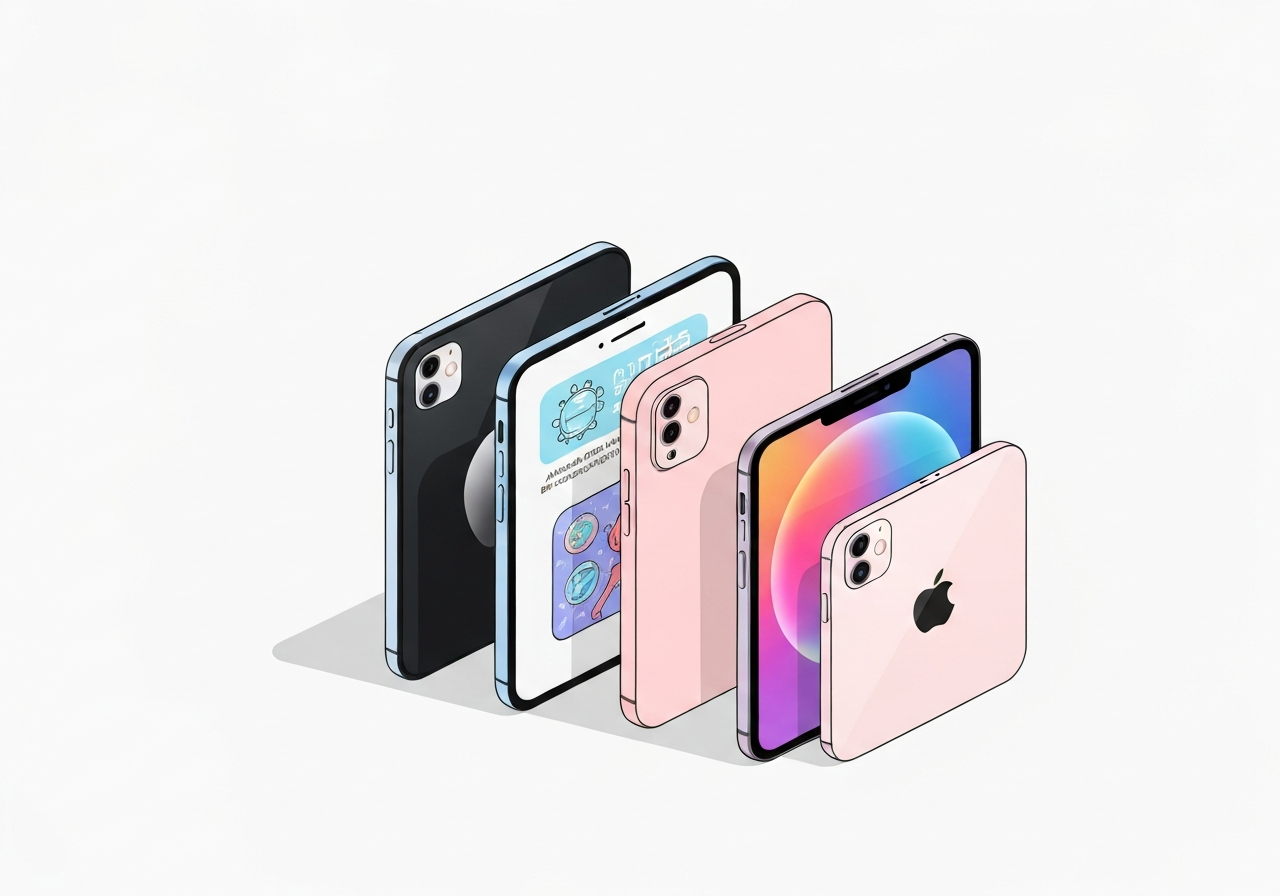
Apple is reportedly preparing a slate of high-end devices that would push its lineup further upmarket while it continues to sell lower-cost models. Reports indicate at least three new entries — a foldable iPhone, a touchscreen MacBook Pro and next-generation AirPods — that will command price premiums over standard models. The foldable iPhone is said to carry a roughly $2,000 price tag, while a touchscreen MacBook Pro is expected in the fall; the AirPods refresh is rumored to add cameras to provide visual context to Siri. The move would extend Apple’s premium positioning even as the company explores lower-priced hardware such as the recently launched MacBook Neo.
Key Takeaways
- Apple is reportedly developing at least three high-end devices — a foldable iPhone, a touchscreen MacBook Pro, and next-gen AirPods — positioned above its mainline models.
- The foldable iPhone is widely rumored to cost about $2,000, placing it in a luxury price tier relative to current iPhone models.
- A touchscreen version of the MacBook Pro is expected to appear in the fall, according to reporting, marking a notable change in Apple’s laptop approach.
- Next-generation AirPods are rumored to include cameras designed to supply visual context to Siri, a feature with both user-experience and privacy implications.
- Apple’s nomenclature is uncertain: these devices may not carry the literal “Ultra” name even if they sit at the top of their respective ranges.
- The company appears to be pursuing a two-way strategy — expanding both down-market (MacBook Neo) and up-market (premium, high-margin hardware).
Background
Apple has long tiered its hardware with mainstream and premium variants: the iPhone lineup separates standard, Pro and Pro Max, and the company introduced a high-end Watch model carrying the “Ultra” label. These naming conventions signal performance, materials and pricing differences to consumers and help Apple capture higher margins on flagship hardware. Historically, Apple has resisted full touchscreen laptops and foldable phones, preferring distinct product categories; a touchscreen MacBook or a foldable iPhone would represent a departure from that practice.
At the same time, the consumer electronics market has seen competitors push into premium form factors — folding OLED handsets and convertible laptops from other vendors — while also offering budget devices to broaden reach. Apple’s recent MacBook Neo release signaled a deliberate move to compete at lower price points. The reported new devices would therefore be part of a deliberate product mix strategy addressing different segments and profit objectives.
Main Event
Reporting attributes the new high-end push to forward-looking product plans rather than immediate launches. The foldable iPhone has been the subject of speculation for years and, according to the latest reporting, is positioned as a top-tier device with a left-of-center price near $2,000. The design, hinge engineering and display supply chain would all be central to when and how Apple could ship such a product at scale.
Separately, a touchscreen MacBook Pro is reportedly slated for a fall release window. Apple has historically avoided touchscreens on macOS laptops, citing software paradigms, so a touchscreen Pro model would require changes in hardware design and potentially software adaptation to accommodate new workflows. The fall timing aligns with Apple’s usual hardware cadence but remains subject to change based on engineering validation.
The AirPods line is also said to be getting a substantial upgrade: next-generation units reportedly include cameras intended to provide visual signals to Siri, enabling a form of contextual assistance that blends audio and limited visual input. Because AirPods are already marketed with Pro and Max-level variants for audio quality and noise control, a higher-tier AirPods model — colloquially described as an “AirPods Ultra” possibility — would not be a radical extension of the brand hierarchy.
Analysis & Implications
From a margins perspective, premium devices tend to deliver outsized profitability if consumer uptake is sufficient; a $2,000 foldable iPhone would likely carry high gross margins compared with mainstream iPhone models. For Apple, the question is demand elasticity: how many consumers will pay substantially more for foldable hardware when premium non-folding iPhones are performing strongly? The answer will influence supply allocation and marketing emphasis.
Introducing cameras to AirPods to feed visual context into Siri raises technical and privacy questions. Even if images are processed locally on-device, users and regulators will scrutinize how visual data is collected, stored and used. Apple will need clear privacy safeguards and messaging to avoid backlash; that in turn could shape the feature set that ships and the markets where it’s initially offered.
A touchscreen MacBook Pro could alter software expectations for macOS and bring Apple closer to hybrid laptop-tablet form factors. Developers may be asked to adapt interfaces for touch interactions, and Apple might introduce new UI affordances to make macOS more touch-friendly. The move would also create competitive pressure on Windows OEMs that have leaned on touch as a differentiator for years.
Comparison & Data
| Device | Reported Price | Estimated Timing | Key Feature |
|---|---|---|---|
| Foldable iPhone | $2,000 (rumored) | Undetermined | Foldable OLED display, premium build |
| MacBook Pro (touchscreen) | Not reported | Fall (reported) | Touch-enabled MacBook Pro panel |
| AirPods (next-gen) | Likely premium | Undetermined | Cameras for visual context to Siri |
| MacBook Neo | Lower-cost segment | Already launched | Entry-level MacBook positioned by price |
The table summarizes reported pricing, timing and headline features based on current reporting. Numbers remain approximate where reporting provides ranges or lacks detail. If the foldable iPhone ships near $2,000, it will sit substantially above today’s iPhone price bands; the touchscreen MacBook Pro’s release window in the fall would align with Apple’s historical product cycle but offers no guarantee on final specs or price.
Reactions & Quotes
Journalistic reporting has framed these developments as part of Apple’s broader product strategy rather than confirmed product announcements.
“The next batch of releases may not bear the ‘Ultra’ name, but will command price premiums over their mainline counterparts.”
Mark Gurman / Bloomberg (reporting)
This paraphrase of reporting emphasizes uncertainty around naming while noting the premium positioning. Industry observers have noted the strategic logic of premium variants combined with lower-cost models to broaden market coverage.
“A camera-equipped earbud changes the conversation around personal assistants and privacy; implementation details matter.”
Industry analyst (paraphrase)
Analysts highlight that technical feasibility and consumer acceptance will hinge on privacy controls and perceived usefulness. Apple’s communications and privacy architecture will likely shape regulatory and consumer responses.
Unconfirmed
- The use of the literal “Ultra” name across new devices remains unconfirmed; reporting indicates Apple may choose different branding.
- The ~$2,000 price for a foldable iPhone is a widely cited estimate but has not been officially confirmed by Apple.
- The presence, scope and privacy model of cameras in next-generation AirPods are based on rumor and lack official specification or demonstration.
- The exact feature set, final pricing and regional rollout timing for a touchscreen MacBook Pro are not verified and could change before any launch.
Bottom Line
Current reporting paints a picture of Apple pursuing growth at both ends of the market: affordable models like the MacBook Neo and potential ultra-premium devices that could carry significant price premiums. If the foldable iPhone arrives near $2,000 and AirPods gain camera capabilities, Apple would be testing new value propositions and pushing the boundaries of user experience and privacy expectations.
For consumers and competitors alike, these moves would raise new questions about demand for luxury form factors, the role of visual context in voice assistants, and how software must evolve to support touch and foldable hardware. Observers should watch for official announcements and detailed privacy and technical disclosures before drawing firm conclusions.