
Lead
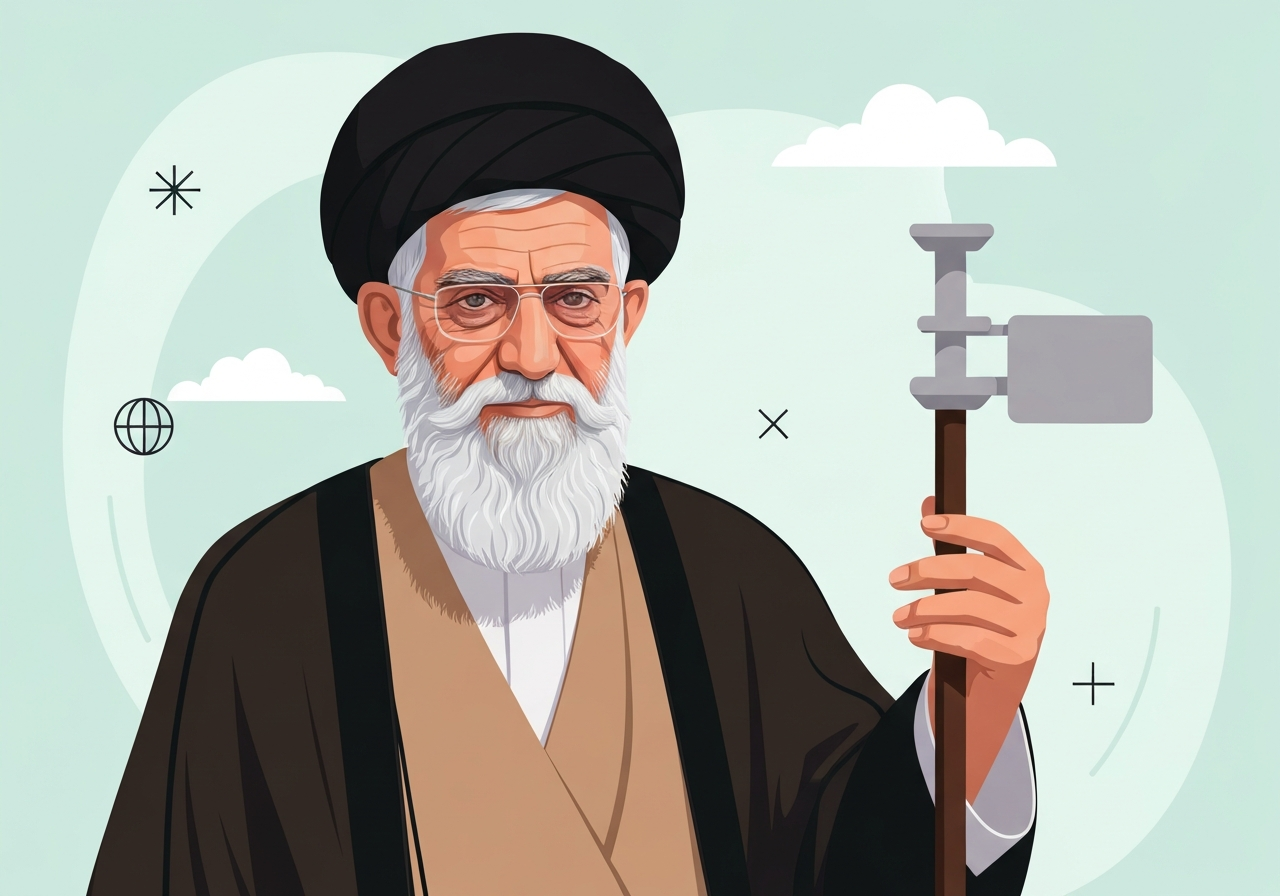
Mojtaba Khamenei, born 8 September 1969 in Mashhad, was named Iran’s supreme leader by an 88‑member Assembly of Experts on 8 March after his father, then‑supreme leader Ali Khamenei, was killed in an Israeli strike on 28 February. The appointment comes just over a week into an intense confrontation involving the United States and Israel. Though he has largely avoided formal public office, Mojtaba is widely described as a powerful, if enigmatic, actor with close ties to the Islamic Revolutionary Guard Corps (IRGC). The selection has sharpened regional tensions and raised questions about domestic legitimacy and foreign policy direction.
Key Takeaways
- Mojtaba Khamenei (b. 8 September 1969, Mashhad) was confirmed supreme leader on 8 March by an 88‑member Assembly of Experts following Ali Khamenei’s death on 28 February.
- The appointment occurred amid a war that involves the US and Israel, intensifying regional uncertainty and security risks.
- Mojtaba is known for close links to the IRGC and veterans of the Iran–Iraq war; he has not previously held elected office.
- Accusations of political interference date back to the 2005 and 2009 presidential contests, where critics say he backed Mahmoud Ahmadinejad’s ascent and later helped suppress protests.
- Investigations reported by Bloomberg in 2026 allege extensive overseas real‑estate and commercial holdings tied to Mojtaba through intermediaries in London and Dubai.
- International reactions include sharp warnings from some Israeli officials and dismissive commentary from former US President Donald Trump, increasing diplomatic strain.
- Domestic authorities and the Assembly urged unity; several opposition figures and protest movements have previously voiced hostility toward Mojtaba’s influence.
Background
Mohammed Ali Khamenei rose to supreme leadership after the 1979 revolution and consolidated power across state, security and economic institutions. Over decades the office accumulated control over major foundations, security bodies and commercial holdings; observers say a significant share of Iran’s economy is linked to institutions under the supreme leader’s authority. Mojtaba, the second son, grew up inside that ecosystem and, according to multiple accounts, cultivated relationships with IRGC veterans and security figures who became central to the Islamic Republic’s power structure.
In the 1990s and 2000s Mojtaba began to appear in political reporting as an increasingly influential behind‑the‑scenes actor. He studied in Qom’s seminaries after secondary school and has been described by state media as living modestly, but outside investigators and former insiders have alleged a broader network of financial and political influence. Iran’s contested succession practices — a mix of clerical legitimacy and elite bargaining — have left the system vulnerable to both insider consolidation and public contestation, as seen in the disputed 2009 presidential vote and subsequent protests.
Main Event
The immediate trigger for the succession was the death of Ali Khamenei in an Israeli strike on 28 February. Within days, the 88‑member Assembly of Experts convened and on 8 March selected Mojtaba as supreme leader, invoking constitutional procedures and appeals for national unity. Assembly statements called on the Iranian people to support the new leader and preserve cohesion during wartime, a key framing to shore up domestic legitimacy amid external pressure.
Official coverage emphasized continuity with Ali Khamenei’s policies and ideological orientation; state outlets framed the appointment as a stabilizing move. Internationally, officials reacted with alarm: some Israeli ministers publicly warned that any successor would be a battlefield target, and foreign commentators questioned how the change would affect Iran’s external posture. Former US President Donald Trump publicly derided the appointment in media reports, arguing the move would lack staying power absent coordination with Washington.
On the ground inside Iran, the choice has a mixed reception. Pro‑regime elements and many conservative clerics signaled support, while reformists, activists and segments of the public recalled allegations that Mojtaba influenced earlier elections and security responses to dissent. Security services and the IRGC moved to secure key installations and communications channels as the new leadership consolidated formal authority.
Analysis & Implications
The selection of Mojtaba reinforces a pattern in Iran where succession is as much about elite networks and coercive institutions as it is about clerical legitimacy. His deep ties to IRGC figures and wartime veterans suggest the security apparatus will remain central to decision‑making. Domestically, that alignment can strengthen regime stability in the short term but may aggravate popular grievances among groups that oppose IRGC dominance and opaque economic control.
Regionally, a leader with acknowledged IRGC connections could mean a more assertive posture toward rival states and proxies, particularly if wartime dynamics incentivize hardline responses. International actors may react with stepped‑up containment measures, diplomatic isolation or targeted operations, all of which can escalate risk for the broader Middle East. Economic consequences are likely too: markets sensitive to Gulf stability may see further volatility, and sanctions or countermeasures could deepen fiscal strains inside Iran.
On governance and succession precedent, the move sets a template for intra‑elite transfer where informal networks and security loyalties trump transparent institutional competition. That could deter reformist currents and entrench patronage channels tied to religious foundations and construction conglomerates. Over time, reliance on a narrow elite bloc raises the prospect of brittle policymaking if internal fractures or external pressures widen.
Comparison & Data
| Attribute | Mojtaba Khamenei | Ali Khamenei (late) |
|---|---|---|
| Year of birth | 1969 | 1939 |
| Public office held | No major elected post | Supreme leader (1989–2026) |
| Known ties | IRGC veterans, security networks | Broad clerical and state institutions |
| Allegations | Political interference, hidden assets (per investigations) | Control over state foundations and economy |
The table highlights contrasts in public profile and institutional trajectory. Mojtaba’s lack of formal elected experience differs from many recent clerical figures, but his embeddedness in IRGC networks gives him practical influence. Economic allegations tied to the supreme leader’s ecosystem are a continuity from Ali Khamenei’s era; independent verification of the full scope remains incomplete.
Reactions & Quotes
“They are wasting their time. Khamenei’s son is a lightweight.”
Former US President Donald Trump, quoted by Axios
Trump’s comment, conveyed via reporting in Axios, framed the appointment as weak in Washington’s view and suggested limited longevity if external pressures persist. The remark was part of a broader, politically charged set of reactions from Western commentators and former officials.
“Whoever is chosen as Ali Khamenei’s successor would be a target for elimination.”
Israeli defense minister (public statement)
That warning, reported by multiple international outlets, underscores Israel’s view of Iran’s leadership as entwined with threats to its security. Such statements increase the stakes for Iran’s new leader and heighten the potential for kinetic responses in the region.
“Stand behind the newly chosen leader and keep unity.”
Assembly of Experts (official communiqué)
The Assembly’s call for unity was designed to consolidate domestic support and to present a united front amid wartime conditions. State messaging has emphasized continuity and stability while security services secure institutions.
Unconfirmed
- Precise ownership and value of overseas real estate and business interests attributed to Mojtaba remain under investigation; while Bloomberg reported links in 2026, some ownership structures are opaque and not publicly verified.
- The extent to which Mojtaba directly orchestrated the 2005 and 2009 presidential outcomes is disputed; contemporaneous critics accused him of intervention, but definitive documentary proof has not been publicly produced.
Bottom Line
Mojtaba Khamenei’s elevation marks a significant moment for Iran: a move that preserves core continuities in the Islamic Republic’s power architecture while raising new questions about legitimacy, economic control and regional behavior. His close ties to the IRGC and wartime networks suggest security institutions will remain central to policymaking, with potential implications for proxy strategy and escalation risk.
Internationally, the appointment is likely to harden responses from rivals and complicate diplomatic engagement, at least in the near term. Domestically, the regime may secure short‑term stability through elite consolidation, but long‑standing grievances over economic opacity and political freedom could reassert themselves if governance relies primarily on coercion and patronage.
Sources
- Deutsche Welle (international news reporting; primary profile used for this article)
- Bloomberg (investigative reporting, 2026; reported on alleged asset structures)
- Axios (news reporting; cited for a quoted remark attributed to former US President Donald Trump)
- Reuters (international news reporting; referenced for broader coverage of regional reactions)