
Lead
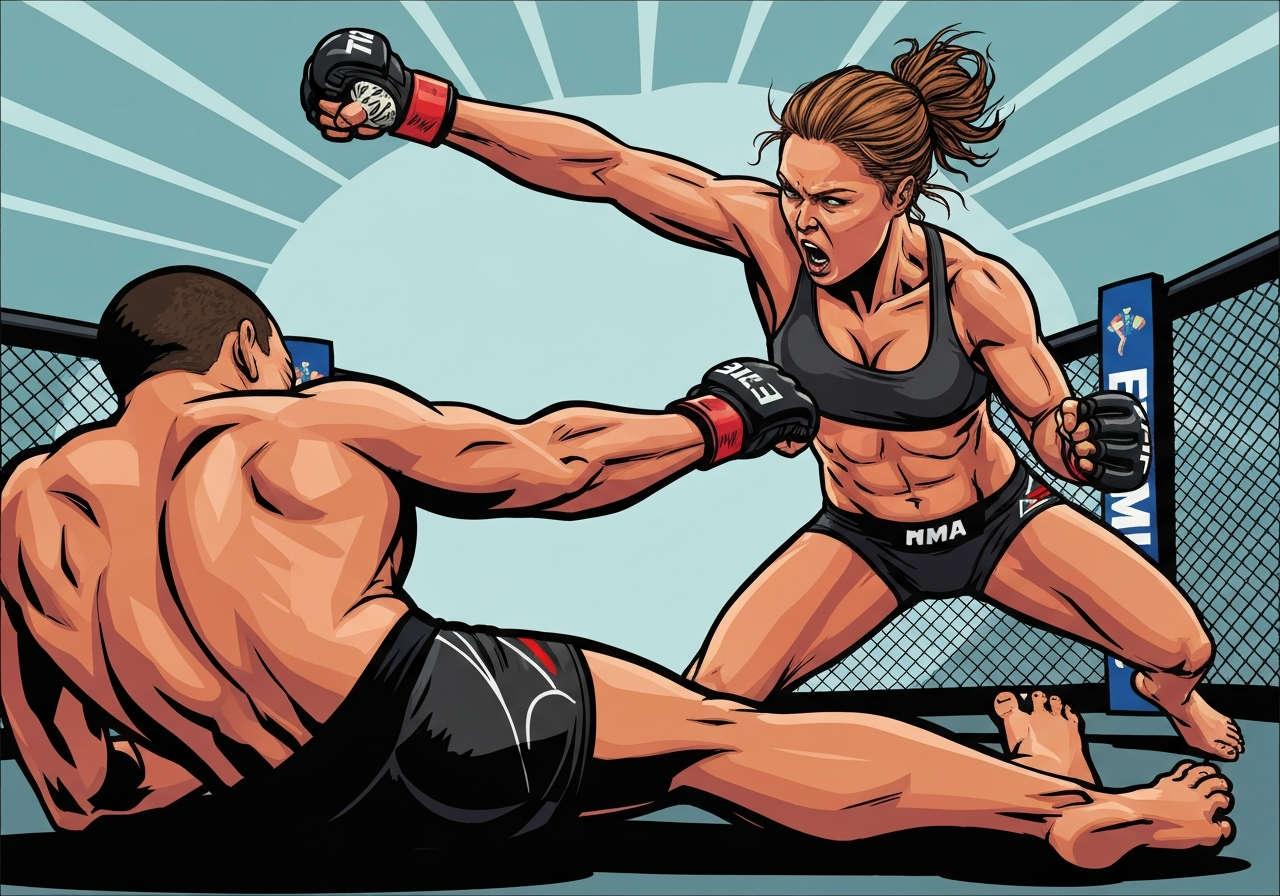
Ronda Rousey, preparing to return to the cage against Gina Carano on May 16, publicly criticized the UFC at a Netflix kickoff press conference, saying the promotion has changed dramatically since she last fought. The former UFC bantamweight champion said she tried to bring the Carano matchup to the UFC and that earlier pay-per-view terms once offered were altered after the company shifted to a streaming model. She blamed the promotion’s new corporate priorities—following a major rights deal—for reduced fighter pay and a shrinking chance to make a living. Rousey also framed her Netflix bout as an alternative path for top fighters frustrated with the promotion’s direction.
Key Takeaways
- Rousey, 39, returns May 16 against Gina Carano on Netflix after a hiatus dating to December 2016.
- She says initial plans were to stage the fight under the UFC pay-per-view model and that Dana White offered a favorable PPV structure before the matchup shifted platforms.
- The UFC secured a $7.7 billion rights deal with Paramount, a turning point Rousey links to the company’s shift toward streaming and shareholder-driven decision-making.
- Rousey described the modern UFC as “barely recognizable” and accused management of prioritizing short-term shareholder value over fighter compensation and the sport’s future.
- She singled out the June 14 White House card as an example of recent mismatched expectations and cited internal frustration from figures including Dana White and departing fighters.
- Rousey argued the new model is driving top talent away—citing public departures and disputes such as Jon Jones’ demand for release after being left off a card.
- She described the Netflix event as an independent alternative that can produce better financial outcomes for fighters than current UFC arrangements.
Background
The UFC built much of modern mixed martial arts by popularizing pay-per-view events that delivered big purses to marquee fighters. For decades the PPV model defined blockbusters and helped cultivate stars whose names drove single-event revenue. In recent years the promotion has reorganized its media strategy, moving large portions of its inventory onto streaming platforms and entering a reported $7.7 billion rights agreement with Paramount in 2026—shifting revenue from individual buys to broader licensing deals.
Ownership and governance of the promotion have also changed. Executives who once operated with owner-level autonomy—most notably longtime frontman Dana White—now report to broader corporate structures and shareholders, according to critics. That transition has prompted debate inside and outside the sport about how to balance financial returns with athlete pay, event quality and long-term talent development.
Main Event
At a Netflix kickoff press conference, Rousey recounted efforts to route her comeback fight through the UFC and to obtain terms she considered fair. She said Dana White initially proposed a favorable pay-per-view arrangement when the fight was eyed for New Year’s, but scheduling and opponent readiness altered the timeline. Gina Carano requested additional preparation time, pushing the bout off that early slot and eventually away from the PPV pathway.
Rousey said she tried to give the UFC the first opportunity out of respect for White, whom she described as a mentor and friend. When negotiations under the streaming framework did not reach the compensation Rousey sought, White reportedly encouraged her to pursue an alternate platform—leading to the Netflix agreement she now promotes.
She criticized what she characterized as a corporate pivot: companies beholden to shareholders, she argued, will focus on quarterly returns rather than investing in fighter pay or producing the best possible matchups. Rousey framed her Netflix bout as both a comeback and a rebuke—an example of how top athletes can find revenue paths outside the promotion that once dominated the sport.
Analysis & Implications
The $7.7 billion rights deal removes some revenue volatility for the promotion but concentrates income with broadcast partners and shareholders rather than event-level purchasers. That trade-off can reduce per-event windfalls that historically fed big purses for headliners. If a media partner prefers steady streaming revenue over one-off PPV spikes, the math for fighter compensation changes—and not always in athletes’ favor.
Rousey’s remarks underline a broader tension in sports media: incumbents and stars built on a transactional, event-driven economy may find themselves disadvantaged when distribution shifts to flat-license agreements. Promoters and rights-holders gain predictable revenue streams, but athletes who rely on occasional blockbusters for outsized pay can lose leverage.
Short-term financial discipline aimed at pleasing shareholders can also affect talent pipelines. Rousey argued that reduced returns for fighters will deter young athletes who might otherwise pursue MMA, diverting them to sports with clearer earning pathways. In the near term, that dynamic can produce roster attrition and higher-profile exits, as seen with recent public disputes and releases.
Comparison & Data
| Model | Primary Revenue | Typical Fighter Pay Driver |
|---|---|---|
| Pay-per-view (traditional) | Event-level buy revenue | Gate + PPV splits for headliners |
| Streaming/licensing (current) | Large multi-year rights deals (e.g., $7.7B) | Fixed annual/contract payouts; less event upside |
The table illustrates structural differences rather than absolute payouts. A single PPV event could generate outsized payments for a few stars, while streaming deals smooth revenue across seasons—benefiting corporate cash flow but not necessarily translating into equivalent per-fight pay. The $7.7 billion figure highlights the scale of the new media contracts, and it forms the basis for fighters’ arguments that increased top-line value should support higher athlete compensation.
Reactions & Quotes
She said she initially offered the matchup to the UFC out of loyalty and that White gave her his blessing to pursue a Netflix deal when streaming terms were insufficient.
Ronda Rousey
Rousey suggested White has limited control after ownership changes and is not the ultimate decision-maker he once was.
Ronda Rousey
Publicly, Jon Jones and other top fighters have voiced frustration about opportunities and compensation, with Jones reportedly seeking release after being excluded from a June card.
Multiple fighters (public statements)
Unconfirmed
- The precise internal negotiations between Rousey, White and UFC executives over contractual figures have not been publicly released and remain unverified.
- Claims about Dana White’s personal feelings toward specific recent cards are based on Rousey’s account and have not been independently confirmed by White or UFC officials.
- Exact average fighter pay changes attributable directly to the Paramount deal versus other business factors have not been published in full detail.
Bottom Line
Rousey’s public critique crystallizes a larger industry debate: when a promotion trades event-by-event upside for stable media licensing revenue, the distribution of value across athletes and owners can shift dramatically. Her Netflix bout is both a comeback and a practical demonstration of alternative revenue paths for elite fighters dissatisfied with current promotion economics.
Whether Rousey’s comments prompt contractual concessions, broader industry reform, or more athletes following her lead will depend on measurable changes in fighter compensation and continued public pressure. For fans and stakeholders, the dispute highlights how media deals reshape sports ecosystems—and why governance choices matter for the people who make those events possible.