
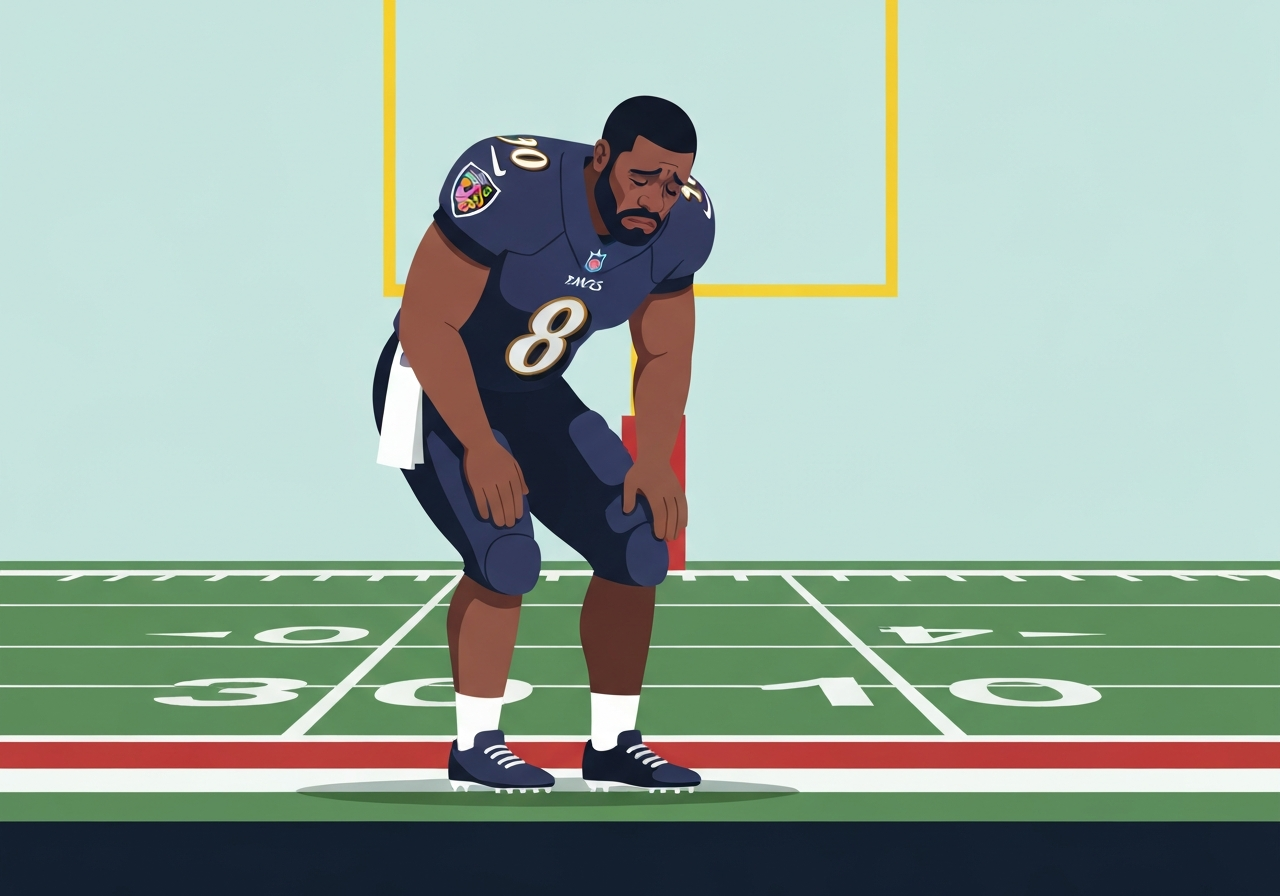
Lead: Baltimore Ravens general manager Eric DeCosta said on March 11, 2026 in Owings Mills, Md., that he was “gutted” after the team backed out of a trade to acquire five-time Pro Bowl pass rusher Maxx Crosby from the Las Vegas Raiders. The deal, which would have sent two first-round picks to Las Vegas and marked the first time in the franchise’s 31-year history the Ravens gave up a first-rounder for a veteran, was nullified after Baltimore’s assessment following Crosby’s physical. DeCosta described the choice as a painful but necessary judgment for the organization and confirmed the team quickly pivoted to sign four-time Pro Bowl pass rusher Trey Hendrickson to a reported four-year, $112 million contract.
Key Takeaways
- The proposed trade for Maxx Crosby was voided after Baltimore’s evaluation of his post-trade physical, per team comments and league sources.
- The voided agreement would have cost the Ravens two first-round draft picks, a franchise-first move for a veteran acquisition.
- Trey Hendrickson agreed to a four-year, $112 million deal with Baltimore about 13 hours after the Crosby trade collapsed.
- Eric DeCosta publicly expressed strong regret—saying he was “gutted”—and defended the decision as in the club’s best interest.
- The Ravens restructured Lamar Jackson’s contract ahead of the new league year to free nearly $40 million in cap space.
- Baltimore had earlier entered discussions with Hendrickson after losing center Tyler Linderbaum in free agency and had once considered pairing Hendrickson with Crosby as bookend rushers.
Background
On the evening the initial agreement was reported, the Ravens and Raiders reached terms on a trade that would have sent two first-round picks from Baltimore to Las Vegas in exchange for Maxx Crosby. That proposed exchange would have represented a notable shift in Baltimore’s longstanding draft-value philosophy; in the team’s 31-year history it had not surrendered a first-round pick for a veteran until that point. Trades in the NFL remain contingent on a player’s ability to pass a physical administered or accepted by the acquiring club, and teams routinely reserve the right to void deals if medical evaluations reveal concerns.
Baltimore’s front office, led by DeCosta, navigated competing priorities in the opening days of the league year: replenishing pass rush after losing Tyler Linderbaum in free agency and reconciling salary-cap needs while attempting to preserve the core around quarterback Lamar Jackson. The team moved quickly after the Crosby agreement unraveled, seeking alternate pass-rush solutions and completing a major free-agent signing in Trey Hendrickson within roughly half a day of the voided trade.
Main Event
Eric DeCosta addressed reporters in Owings Mills on March 11, acknowledging the team had backed out of the Crosby trade after completing its assessment. He said the decision was emotionally difficult, repeatedly using the word “regret” and insisting the choice reflected what was best for the franchise. DeCosta declined to detail the medical specifics publicly, saying the trade was voided “based on our assessment of the situation,” while league sources told reporters that medical concerns had emerged during Crosby’s physical.
The initial deal reportedly involved two first-round picks going to the Raiders for Crosby, a five-time Pro Bowler known for consistent production and edge-play versatility. Instead of completing that transaction, Baltimore pivoted and finalized terms with Trey Hendrickson: a four-year, $112 million contract reported roughly 13 hours after the Crosby trade fell apart. That rapid sequence drew scrutiny in league circles because the Hendrickson move did not require draft capital.
DeCosta acknowledged the organization had engaged Hendrickson’s camp before the Crosby trade was voided, saying discussions had started after the team lost Linderbaum in free agency and that the front office had at one point envisioned pairing Crosby and Hendrickson as complementary bookend rushers. He also defended his handling of the process, saying he would not change the decisions he made under the circumstances and that, as steward of the franchise, he had to take the tough calls.
Analysis & Implications
The episode highlights the tension between on-field urgency and the medical due diligence clubs must conduct when acquiring veteran players. For Baltimore, the calculus involved balancing an immediate upgrade to the pass rush with potential long-term health or availability issues flagged by their medical staff. DeCosta framed the decision as fiduciary in nature: protecting the club’s competitive and financial future even at the cost of public criticism.
Strategically, the Hendrickson signing accomplishes several objectives: it replenishes the edge-rush unit without surrendering premium draft capital and preserves the team’s ability to maneuver in future drafts. However, critics argue the club missed an opportunity to secure an arguably higher-ceiling defender in Crosby. The long-term evaluation will rest on on-field performance, health outcomes, and how the new arrangement affects roster-building in the next one to three seasons.
The episode may also have reputational consequences for Baltimore’s front office interactions with other teams and agents. While DeCosta said his phone has not stopped ringing, front-office trust is built transaction by transaction; other clubs will note that a completed agreement was voided after a public announcement and that Baltimore moved quickly to sign a comparable veteran. That pattern could temper future willingness to structure deals that rely on good faith gestures absent ironclad medical clarity.
Comparison & Data
| Player | Pro Bowl Selections | Reported Contract | Draft Cost to Acquire |
|---|---|---|---|
| Maxx Crosby | 5 | N/A (trade, existing contract) | Two first-round picks (proposed) |
| Trey Hendrickson | 4 | 4 years, $112M (reported) | None (free agent signing) |
This side-by-side underlines the practical trade-offs: Crosby brought a longer record of Pro Bowl recognition and would have cost significant draft capital, while Hendrickson’s signing preserved picks and cap flexibility. Evaluating which path yields better roster value will require season-level performance and availability data over the contract span.
Reactions & Quotes
“Nobody’s more upset about this than me — gutted by it actually.”
Eric DeCosta, Baltimore Ravens general manager
DeCosta used strong language to convey personal disappointment and framed the move as a duty to the club rather than a repudiation of Crosby’s talent.
“I understand how people might maybe from afar would feel that way, but nobody’s more upset about this than me.”
Eric DeCosta
The remark reflects the defensive posture DeCosta adopted amid public skepticism about the timing and optics of the decision.
Unconfirmed
- Specific medical findings from Crosby’s physical have not been publicly released by the Ravens or Raiders; the exact nature of the concern remains unreported.
- Whether Baltimore and Las Vegas attempted to renegotiate the trade parameters before voiding the deal has not been independently confirmed.
- The long-term impact of the decision on Baltimore’s relationships with other teams and agents is speculative and not objectively measured at this time.
Bottom Line
The Ravens’ decision to back out of the Maxx Crosby trade is a defining front-office moment that prioritizes organizational risk management over immediate headline-grabbing roster moves. DeCosta’s candid expression of regret underscores how contentious the call was internally, but the move also signals that the franchise will defer to medical judgment when potential liabilities arise.
Practically, Baltimore still upgraded its edge rush by signing Trey Hendrickson without surrendering draft capital, and it created near-term salary-cap room by restructuring Lamar Jackson’s contract. The ultimate verdict on whether the club made the right choice will depend on injury reports, on-field production from Hendrickson (and any remaining rotation pieces), and how the team leverages preserved draft assets in the seasons ahead.