
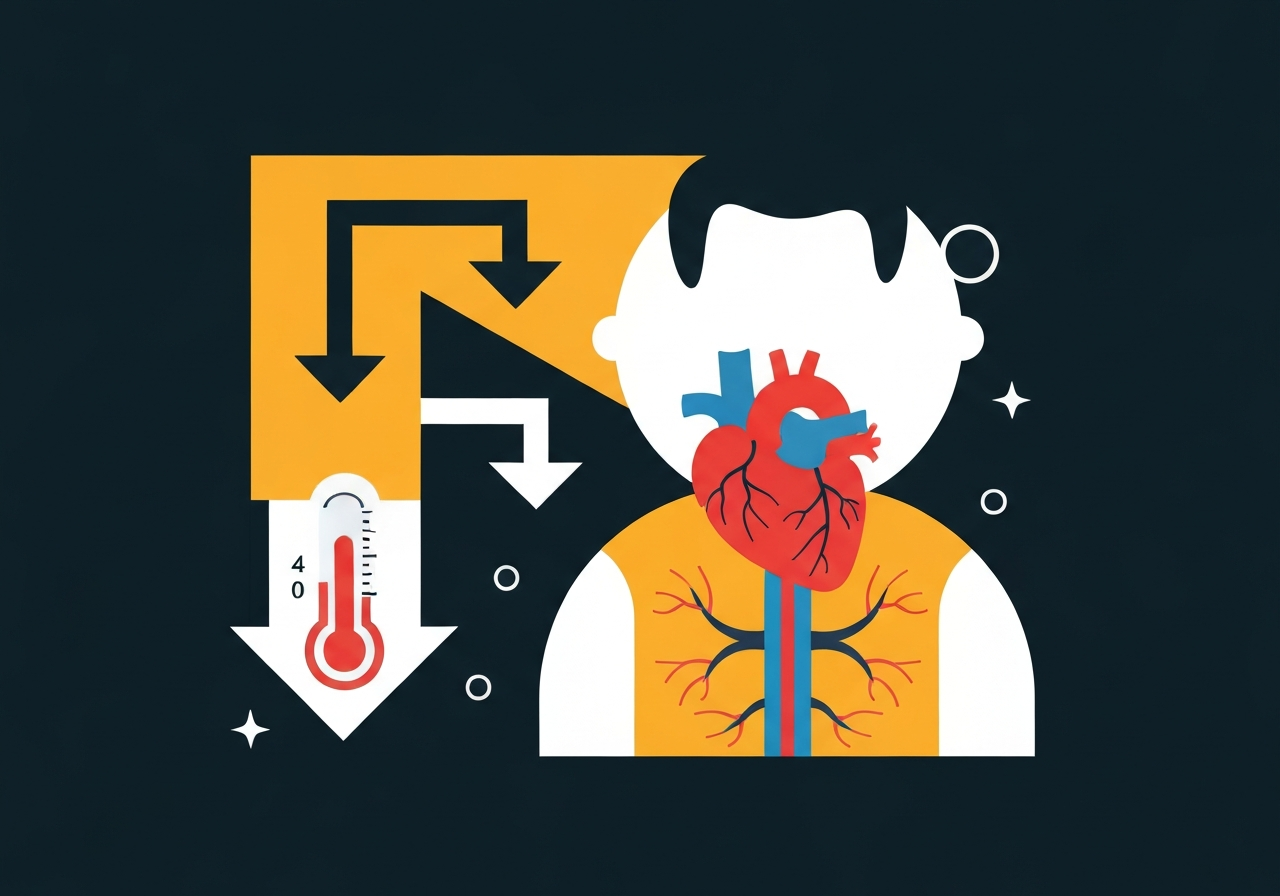
Lead: On March 13, 2026, an updated set of cardiovascular prevention recommendations from 11 professional medical groups — led by the American Heart Association and the American College of Cardiology — urged earlier and lower cholesterol control to cut heart attacks and strokes. The guidance recommends measuring LDL cholesterol in childhood (around age 10) and encourages people at elevated risk to begin intensive cholesterol-lowering efforts as early as age 30 and continue through later life. Authors and committee leaders say wide adoption could substantially reduce cardiovascular events nationwide. The update follows mounting evidence that lifetime exposure to elevated LDL is a primary driver of atherosclerotic disease.
Key Takeaways
- The guidance was published March 13, 2026, and cites input from 11 organizations, including the American Heart Association and the American College of Cardiology.
- Recommendation: LDL screening is endorsed in childhood (approximately age 10) to identify early elevated risk factors.
- For adults at increased risk, clinicians are advised to aim for earlier and lower LDL targets, beginning preventive measures by about age 30 where appropriate.
- Authors estimate that broad implementation—especially lowering lifetime LDL exposure—could cut heart attacks and strokes by up to 50%, although this is a modeled projection.
- Cardiovascular disease currently accounts for roughly one in three U.S. deaths; guideline authors state that 80% or more of such disease is preventable with risk modification.
- The update represents a shift from later, reactive treatment toward preventive, lifelong risk reduction combining lifestyle and, when indicated, medication.
Background
For decades, cholesterol management emphasized treating elevated LDL in middle-aged and older adults or after events such as heart attacks. Newer long-term data and genetic studies have reinforced the link between cumulative LDL exposure and atherosclerotic cardiovascular disease, prompting reassessment of when and how aggressively to intervene. Professional societies have periodically tightened LDL targets for very high-risk patients; this guidance expands that approach across a broader age span and risk spectrum.
The push for earlier testing reflects concerns that risk factors accumulate quietly over decades. Childhood screening around age 10 is intended to detect familial dyslipidemia and lifestyle-related elevations early, offering a chance to modify diet, activity and, in selected cases, initiate therapy sooner. Stakeholders include primary care pediatricians, cardiologists, endocrinologists and public-health officials balancing prevention gains against feasibility, cost, and the ethics of treating younger populations.
Main Event
The new guidance, released March 13, 2026, synthesizes randomized trials, observational cohorts and genetic studies to recommend a life-course approach to LDL management. Committee leaders discussed shifting from episodic measurement and late pharmacotherapy to sustained, earlier reduction of LDL exposure starting with routine pediatric screening and earlier adult intervention for those with risk markers.
Practically, the guideline advises clinicians to assess lifetime risk factors and consider more aggressive LDL-lowering for adults with risk-enhancing conditions, beginning preventive conversations and interventions around age 30 for many patients. Lifestyle modification remains foundational, with medications (including statins) recommended when risk and LDL levels meet thresholds outlined by the panel.
Authors emphasized implementation challenges: expanding pediatric screening, ensuring equitable access to follow-up, and integrating shared decision-making about long-term medication in younger adults. The statement also outlines monitoring strategies and age-appropriate counseling to reduce long-term exposure to high LDL.
Analysis & Implications
Scientifically, the guideline rests on the principle that atherosclerosis is cumulative: the earlier LDL is lowered, the less plaque accrues over a lifetime. Translating that into population impact depends on screening uptake, clinical follow-through and adherence to lifestyle and pharmacologic recommendations. If a substantial share of at-risk people begin sustained LDL reduction decades earlier, modeled projections show large reductions in event rates, but real-world results will be moderated by implementation gaps.
Economically, earlier intervention may increase short-term costs for screening and preventive medication but could lower long-term expenditures by preventing hospitalizations and disability from heart attacks and strokes. Public-health systems will need cost-effectiveness analyses tailored to different subpopulations to guide coverage decisions and prioritization.
Clinically, primary care and pediatric workflows will need adaptation: standardized pediatric lipid screening protocols, clearer referral pathways, and clinician training on communicating lifetime risk. For individuals, the shift emphasizes continuous risk management rather than episodic reaction, which may improve outcomes but requires long-term adherence and monitoring systems.
Comparison & Data
| Measure | Previous practice | Guideline emphasis (2026) |
|---|---|---|
| Typical screening start | Adulthood / selective testing | Childhood screening ~age 10; earlier adult attention |
| Age to begin intensified prevention | Often 40s–50s | As early as age 30 for at-risk adults |
| Population mortality from CVD | About 1 in 3 U.S. deaths | Targeted reduction; modeled cut in events up to ~50% |
The table summarizes broad directional changes: the guideline shifts timing earlier and frames prevention as a lifespan strategy. The projection of halving heart attacks and strokes is an estimate contingent on wide adherence and public-health implementation; it should be treated as a potential best-case scenario rather than a guaranteed outcome.
Reactions & Quotes
Committee leaders framed the update as a preventive pivot informed by long-term evidence. Experts noted benefits but cautioned about real-world barriers like access and equity.
“Eighty percent or more of cardiovascular disease is preventable,”
Dr. Roger Blumenthal, guideline writing committee chair (Johns Hopkins)
This comment underlines the guideline’s preventive orientation; Dr. Blumenthal and colleagues point to modifiable risk factors as the main target. The committee also presented modeled scenarios linking earlier LDL lowering to large reductions in events.
“We think we could cut heart attack and stroke rates down by half,”
Dr. Roger Blumenthal, guideline writing committee chair
Investigators framed the 50% figure as an estimate based on population modeling that assumes broad uptake of earlier screening and sustained risk reduction. Independent clinicians welcomed the ambition but emphasized implementation complexity.
“Screening children around age 10 helps identify inherited lipid disorders and families who could benefit from early intervention,”
American Heart Association (guideline summary)
The AHA highlighted childhood screening primarily to find familial cases and to prompt family-wide lifestyle measures; pediatric societies will need to weigh operational considerations.
Unconfirmed
- The claim that event rates could fall by half is model-based and depends on widespread adoption, adherence and equitable access; real-world reductions may be smaller.
- Long-term safety and psychosocial effects of expanded pharmacologic prevention started in younger adults and adolescents are incompletely documented and require ongoing study.
- The exact LDL targets implied by the guideline vary by individual risk, and some clinicians may interpret thresholds differently in practice.
Bottom Line
The 2026 guidance represents a clear shift toward earlier and more aggressive prevention of atherosclerotic cardiovascular disease, recommending routine childhood screening and earlier adult action for people at increased risk. Its rationale is grounded in evidence that lifetime LDL exposure drives arterial disease and that earlier reduction should translate into fewer heart attacks and strokes.
However, the potential public-health benefit depends on operationalizing screening, ensuring access to follow-up care, and supporting long-term adherence to lifestyle and medical therapies. Policymakers, clinicians and health systems will need coordinated strategies to translate the guideline’s ambition into measurable reductions in disease burden.