
Lead
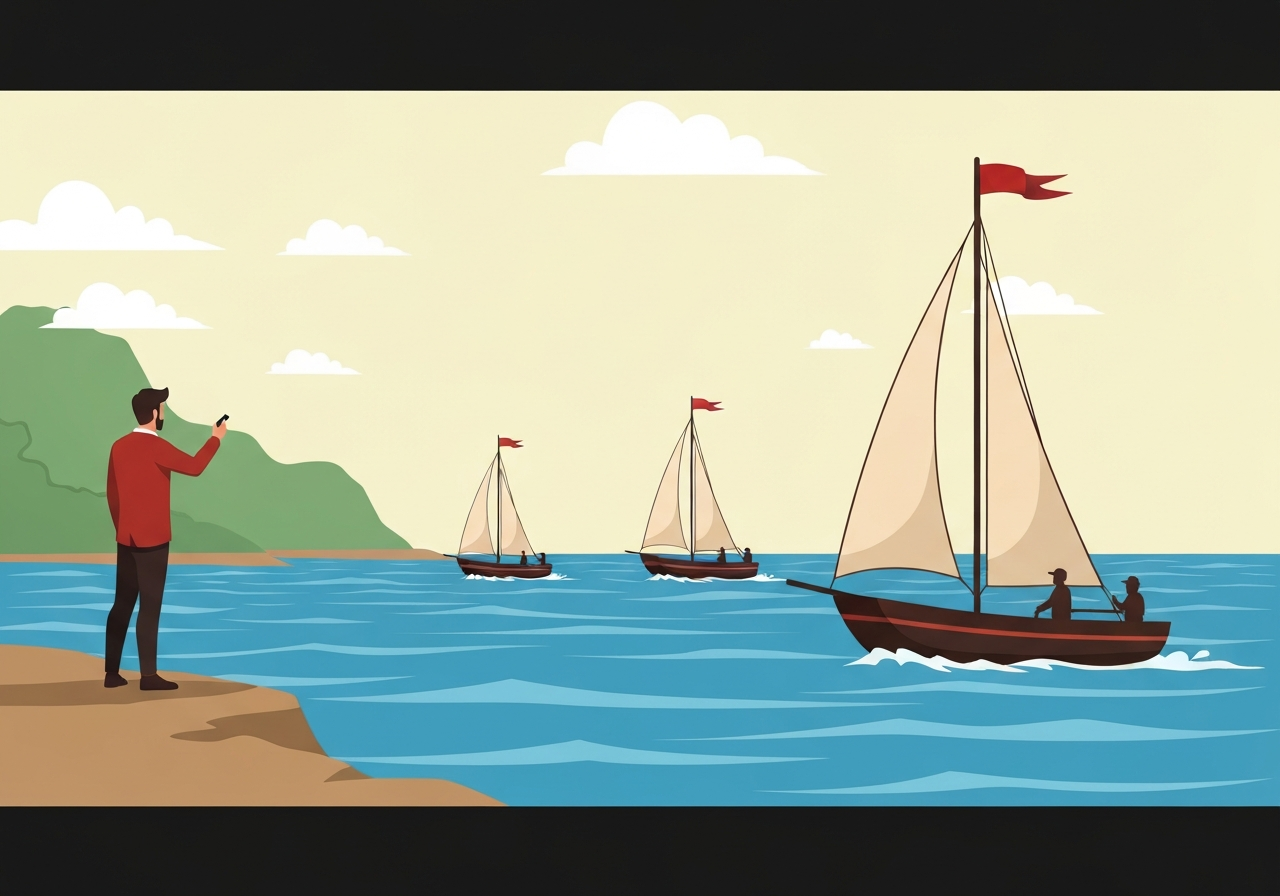
Mexico launched a maritime search after two small sailboats carrying humanitarian aid to Cuba lost contact en route, officials said. The vessels departed from Isla Mujeres near Cancún and were due in Havana around March 24–25; nine people were aboard. Mexican naval assets, patrol aircraft and international partners are combing the estimated route as authorities coordinate with foreign consulates. No confirmed wreckage or survivors have been reported as of March 27, 2026.
Key takeaways
- Nine people were on the two missing sailboats; nationalities reported include Poland, France, Cuba and the United States.
- Vessels set sail from Isla Mujeres and were scheduled to reach Havana between March 24 and 25; arrival windows were later revised to Friday night–midday Saturday based on reported vessel speeds.
- The Mexican Navy (SEMAR) initiated a search after a navy ship lost contact; Persuader-type maritime patrol aircraft have been deployed.
- The Nuestra América convoy carried roughly 30 tons of aid—food, medicine, hygiene supplies and solar panels—of which the two sailboats were the final Mexican delegation vessels.
- Mexico is coordinating with Maritime Rescue Coordination Centers in Poland, France, Cuba and the United States and notifying diplomatic missions for the crew countries.
- The U.S. Coast Guard said it was notified but had not been asked to assist; it remains prepared to help if requested.
- Cuba has faced deepening supply challenges after curtailed oil deliveries earlier this year and has recently experienced nationwide blackouts affecting more than 10 million people.
Background
The two vessels were part of the Nuestra América maritime convoy organized to deliver humanitarian relief to Cuba amid shortages of food, medicine and energy. Organizers said the convoy transported about 30 tonnes of supplies, and the two missing sailboats constituted the remaining Mexican delegation. Convoys and private shipments have been used in recent months as alternative supply routes after disruptions to conventional imports.
Mexico has emphasized maritime search-and-rescue norms and engagement with international partners in such cases; its navy (SEMAR) routinely communicates with other national MRCCs when incidents occur in shared sea lanes. The islands and shipping routes between the Yucatán Peninsula and Havana are regularly traversed by fishing, recreational and commercial traffic, which authorities asked to report any sightings of the missing vessels.
Main event
SEMAR reported the sailboats departed from Isla Mujeres on Saturday and failed to arrive in Havana on the scheduled dates. Mexican President Claudia Sheinbaum said a navy ship made contact with the convoy but lost communication after several hours, prompting the search. Authorities deployed naval units and Persuader-type patrol aircraft to scan the estimated route between Isla Mujeres and Havana.
Convoy organizers Nuestra América described the captains and crews as experienced sailors and said both boats were equipped with safety and signaling equipment. Despite that, coordinated search efforts continued after days without confirmed contact or sightings. Mexican officials also asked regional vessels—commercial and recreational—to report any information to authorities.
The U.S. Coast Guard told reporters it had been notified by Mexico on Thursday about the missing boats but had not been formally requested to join the operation; it said it remained ready to provide assistance if asked. Cuban President Miguel Díaz-Canel posted that Cuban authorities were doing everything possible in the search and rescue effort, signaling Havana’s engagement in coordination.
Analysis & implications
The disappearance of small rescue-equipped sailboats on a short international route underscores the hazards that private humanitarian missions face at sea, particularly when weather, navigation errors or mechanical failures occur. Even experienced crews can encounter conditions that exceed a vessel’s capacity or the reach of routine communications. Authorities must establish precisely when contact was lost and whether distress signals were emitted.
Politically, the episode risks amplifying tensions around aid delivery and maritime safety narratives. The convoy was framed by organizers as humanitarian relief amid acute shortages in Cuba; any loss of life or protracted search without resolution could increase domestic and international scrutiny of supply routes, bilateral cooperation and the adequacy of safety planning for volunteer missions.
Operationally, the coordination with MRCCs in Poland, France, Cuba and the United States reflects standard maritime practice but also the logistical complexity when crew nationalities span several countries. That cross-border coordination can speed information-sharing but requires rapid diplomatic, technical and search-resource alignment to be effective.
Economically and socially, Cuba’s recent nationwide blackouts—one of which left more than 10 million people temporarily without power—compound the urgency of timely aid deliveries. Interruptions to fuel shipments and the energy supply can create cascading humanitarian needs that volunteer convoys aim to mitigate; setbacks or losses in those efforts could deepen short-term shortages for vulnerable populations.
Comparison & data
| Metric | Detail |
|---|---|
| Number of missing craft | 2 sailboats |
| People aboard | 9 (Poland, France, Cuba, U.S.) |
| Convoy cargo (total) | ~30 tonnes of aid (food, medicine, hygiene, solar panels) |
| Planned arrival | March 24–25 (window later revised) |
| Recent blackout impact | More than 10 million people affected in second nationwide outage |
The table summarizes the core operational facts the search is responding to. The convoy’s scale—about 30 tonnes of supplies—suggests the two sailboats carried a portion rather than the bulk of cargo, but the crews’ welfare and the boats’ locations remain central priorities. Comparing the planned arrival window with the loss of contact timeline will be key to narrowing search areas.
Reactions & quotes
Mexican leadership framed the response as immediate and coordinated. President Sheinbaum reported that naval contact with the convoy was lost after several hours, prompting search measures and deployment of assets.
“After a few hours it no longer had contact, and from there a search process began. They’re continuing the search for these two small vessels.”
President Claudia Sheinbaum / Mexican government
Cuba’s president emphasized Havana’s involvement and concern for the crews, committing Cuban authorities to search-and-rescue assistance where possible. Organizers of the convoy reiterated confidence in the crews while cooperating with authorities.
“From our country we are doing everything possible in the search and rescue of these brothers in struggle.”
President Miguel Díaz-Canel / Cuban government (social post)
Convoy organizers highlighted crew experience and equipment status but also appealed to mariners in the region for any information. The U.S. Coast Guard acknowledged notification and said it stood ready to support if formally requested.
“Both vessels are equipped with appropriate safety systems and signaling equipment. We are cooperating fully with the authorities and remain confident in the crews’ ability to reach Havana safely.”
Nuestra América (convoy organizers)
Unconfirmed
- Precise cause of the loss of contact with the two sailboats has not been determined; no confirmed mechanical failure, weather incident or collision has been publicly verified.
- Exact current locations of the vessels and whether they transmitted distress signals remain unconfirmed pending official SAR updates.
- Whether additional international SAR assets beyond notification will be deployed (for example, by the U.S. Coast Guard) depends on formal requests that have not been made public.
Bottom line
The immediate priority is locating the two sailboats and ensuring the safety of the nine people reported aboard. Mexico’s navy has mobilized aircraft and vessels and is working with international MRCCs and diplomatic channels; time and search resources will determine the chances of a positive rescue outcome.
Beyond the urgent SAR operation, the incident highlights the risks inherent in ad hoc maritime humanitarian missions and the broader humanitarian strain on Cuba following fuel and energy disruptions. Observers should watch for official SAR updates, requests for international assistance, and any findings about the sequence of events that led to the loss of contact.
Sources
- CNN — international news outlet reporting on the incident (primary article used for facts and timeline).
- Secretariat of the Mexican Navy (SEMAR) — official government source for sailboat departure and search coordination reports.
- U.S. Coast Guard — official maritime agency; public statements on notification and readiness to assist.