
Lead
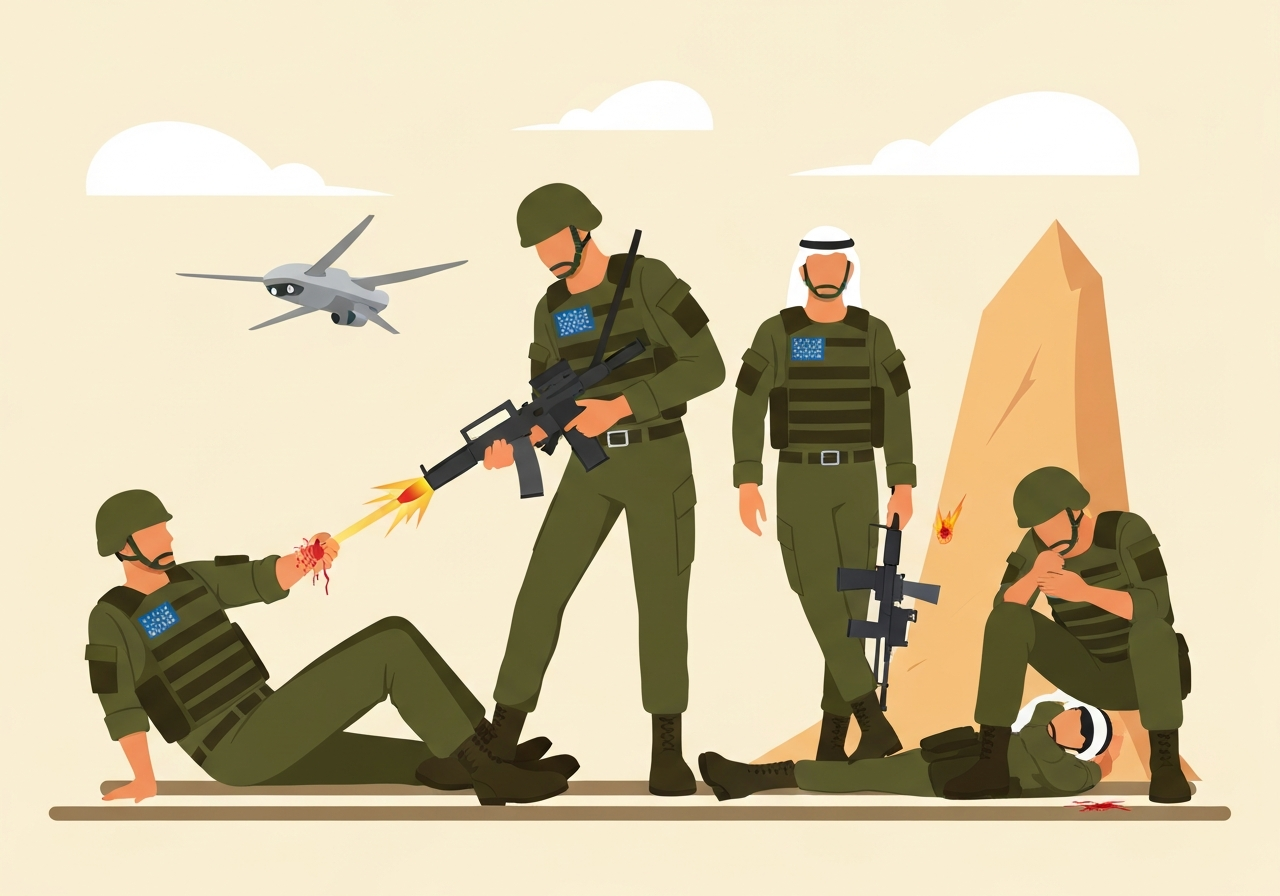
On Friday, March 28, 2026, a ballistic missile-and-drone barrage that U.S. officials and regional sources attribute to Iran struck Prince Sultan Air Base in Saudi Arabia, wounding 12 American service members. Two of the injured were reported in serious condition and at least one KC-135 aerial refueling aircraft was struck and burned. U.S. military officials say the incident occurred amid a monthlong campaign between the U.S., Israel and Iran known as Operation Epic Fury. Washington has continued to reposition forces in the region as investigations and damage assessments proceed.
Key Takeaways
- 12 U.S. service members were wounded in the strike at Prince Sultan Air Base on March 28, 2026; two are in serious condition.
- Regional reporting and officials say the attack combined Iranian ballistic missiles and armed drones.
- At least one KC-135 aerial refueling aircraft was hit and caught fire, damaging U.S. air-refueling capability at the base.
- The strike is part of the wider Operation Epic Fury confrontation, which U.S. Central Command says has included thousands of strikes and flights since its launch.
- More than 300 U.S. service members have been reported wounded in the campaign to date, according to U.S. officials cited in media reports.
- The Pentagon is shifting additional forces into the region while keeping military response options available.
Background
Prince Sultan Air Base, located east of Riyadh, has been a logistics and refueling hub for U.S. and coalition operations in the region for decades. Its facilities support air-refueling operations and transient aircraft tasked with regional patrols and operations. The base’s strategic location has made it a recurrent focal point in regional crises, including previous Iranian proxy engagements and missile exchanges.
The current confrontation—labeled Operation Epic Fury in U.S. communications—erupted several weeks before this strike and has involved direct strikes, maritime engagements and proxy attacks across the Gulf and Levant. U.S. and allied forces have conducted sustained strikes on Iranian-linked targets, while Iran and allied groups have responded with missiles, drones and attacks on shipping and bases hosting coalition personnel. That tit-for-tat escalation has complicated regional force posture and logistics.
Main Event
According to U.S. officials who spoke with reporters and regional sources, multiple ballistic missiles and several armed drones were launched and struck areas of Prince Sultan Air Base on March 28. The missiles and drones caused damage to facilities and struck at least one KC-135 tanker. Fire crews at the base responded to aircraft fires immediately after the impacts, and medical teams evacuated wounded personnel to military medical facilities for treatment.
Senior officials described the wounded as U.S. service members assigned to units supporting refueling and base operations; two were described as in serious condition. Commanders at the scene began casualty collection and damage assessments while U.S. Central Command monitored the unfolding situation. Officials said operations at the base were temporarily disrupted as runway and support areas were cleared and inspected for unexploded ordnance and structural damage.
U.S. military spokespeople have not publicly attributed the strike in an on-the-record statement at the time of reporting, but regional security sources and U.S. officials speaking to media linked the attack to Iranian ballistic forces using a mix of missiles and drones. Military planners are reviewing intelligence to determine launch points and the sequence of weapon impacts before publicly confirming responsibility and intent.
Analysis & Implications
The strike represents a notable escalation because Prince Sultan hosts significant U.S. refueling and support assets; damage to a KC-135 reduces an element of operational flexibility for coalition air operations. A targeted attack on aerial-tanker assets can have disproportionate operational effects because refueling underpins long-range air patrols and strike missions across the theater. Repairing or replacing damaged tankers takes time and redirects logistical resources.
Politically, the incident complicates efforts to manage the wider conflict between the United States, Israel and Iran. Washington faces competing pressures: to protect deployed forces and infrastructure while avoiding steps that could trigger broader, uncontrolled escalation. Moving additional forces into the region, as officials have stated they are doing, provides deterrence but also raises the risk calculus for both sides.
Economically, attacks on bases and shipping lanes threaten regional stability and can ripple into global markets—particularly energy and insurance costs for shipping through the Gulf and Strait of Hormuz. Recurrent strikes on logistics hubs raise premiums, slow supply lines and can compound civilian economic effects in Gulf states that host coalition forces.
Comparison & Data
| Metric | Reported Figure |
|---|---|
| U.S. service members wounded in this strike | 12 (2 serious) |
| KC-135 aircraft hit | At least 1 |
| U.S. strikes / combat flights (since operation start) | U.S. Central Command reported more than 9,000 targets struck and over 9,000 combat flights (fact sheet dated March 23, 2026) |
| Total U.S. service members reported wounded since start | More than 300 (media reports citing officials) |
The table places the base strike in the context of the wider campaign. CENTCOM’s March 23 fact sheet listed the scale of strikes and flights, demonstrating a high tempo of operations. The campaign’s cumulative effects on personnel, materiel and host-nation basing arrangements are central to short- and medium-term operational planning.
Reactions & Quotes
U.S. and regional officials reacted quickly but guardedly, emphasizing care for the wounded and an ongoing review of the incident. Military spokespeople reiterated that force protection and proportionality are guiding principles as commanders determine next steps.
“We are conducting a thorough assessment of the attack and providing all necessary care to our wounded service members.”
U.S. military official (on-condition statement)
This statement, issued by a senior official speaking to reporters, framed the immediate U.S. response as focused on casualty care and weapon-impact assessment while avoiding comment on potential retaliation.
“For decades, Iranian naval and missile activity has threatened regional security; responses will be measured and based on verified information.”
U.S. Central Command (public communications)
CENTCOM’s communications have emphasized both the threat posed by Iranian capabilities and the need for deliberate action. Officials say they continue to collect intelligence to attribute responsibility and to define proportional responses.
Unconfirmed
- Attribution to direct Iranian Revolutionary Guard Corps units has been reported by regional sources but has not been publicly confirmed on the record by a named U.S. official at the time of reporting.
- Details about exact launch sites and the full inventory of weapon types used in the strike remain under investigation and unverified.
Bottom Line
The March 28 strike on Prince Sultan Air Base that wounded 12 Americans marks a significant escalation in a monthlong confrontation. Damage to an aerial refueling tanker and injuries among support personnel degrade operational capacity and raise the stakes for force-protection decisions across the region. Washington faces a narrow set of choices: reinforce and deter, respond kinetically, or continue calibrated pressure while prioritizing de-escalation.
Short-term priorities will be medical care, ordnance and damage assessments, and intelligence collection to determine attribution. Over the medium term, the incident will influence basing decisions, force posture, and diplomatic efforts to prevent a larger regional conflagration. Readers should watch for formal attributions from U.S. authorities and for any announcements about additional force movements or retaliatory actions.