
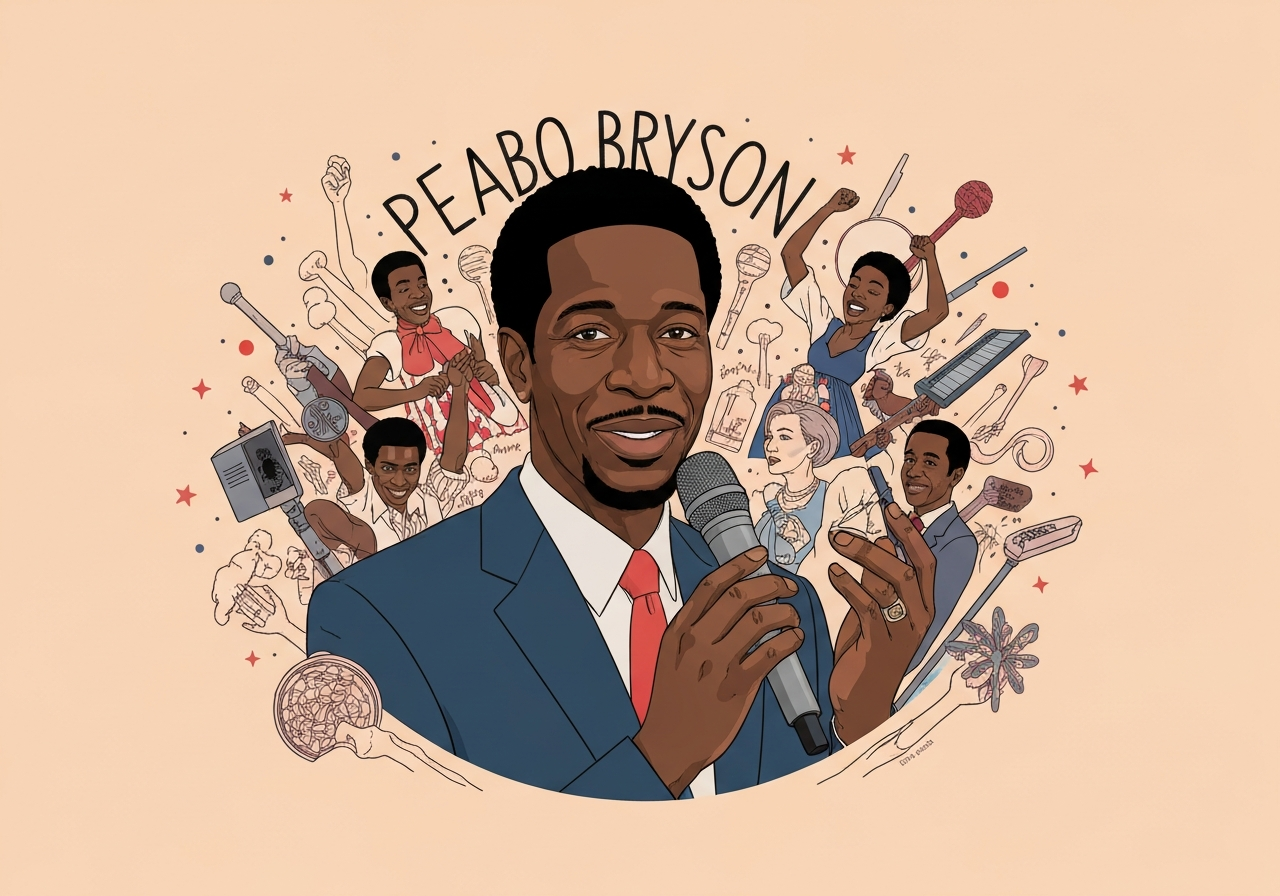
Peabo Bryson, the Grammy-winning R&B vocalist celebrated for Disney duets including ‘A Whole New World’ and ‘Beauty and the Beast,’ died Tuesday in Marietta, Georgia, at age 75. His family confirmed the death and said it followed complications from a stroke he suffered over the preceding weekend. Bryson’s career spanned decades, producing chart-topping songs, gold albums and two consecutive Grammy wins. Celebration of life and memorial arrangements will be announced by the family.
Key Takeaways
- Peabo Bryson died at 75 on Tuesday in Marietta, Georgia; family cited complications from a weekend stroke.
- Born April 13, 1951, in Greenville, South Carolina, Bryson began recording in 1967 and released his solo debut in 1976.
- He won back-to-back Grammy Awards in 1993 and 1994 for ‘Beauty and the Beast’ (with Celine Dion) and ‘A Whole New World’ (with Regina Belle).
- In 1992 Bryson appeared on recordings that led to topping four separate charts, including Pop and Adult Contemporary for ‘A Whole New World.’
- He scored mainstream R&B hits such as ‘Tonight I Celebrate My Love’ and ‘If Ever You’re in My Arms Again,’ and had gold-selling albums in 1977 and 1978.
- Family emphasized the global outpouring of support and noted Bryson’s generous spirit and lasting musical legacy.
Background
Robert Peapo Bryson was born April 13, 1951, in Greenville, South Carolina, and grew up immersed in live music after his mother regularly took the family to concerts. By high school he had decided on a music career, later telling interviewers he had considered other professions but that music was his true calling. Early in his career he worked as a backing vocalist and multi-instrumentalist, learning percussion, guitar and, later, piano, which helped launch his songwriting efforts. He adopted the stage spelling ‘Peabo’ after bandmates struggled with his original French West Indian name.
Bryson signed his first professional deal with Bang Records in 1967 and released a solo single and album in 1976, establishing himself as a solo artist. In 1977 he joined Capitol Records and produced consecutive gold-selling albums, Reaching for the Sky (1977) and Crosswinds (1978), which cemented his standing in late-1970s R&B. Over the following decades he remained a steady presence in the adult contemporary and R&B markets while branching into soundtrack and crossover projects. During the 1990s he reached a career peak as a collaborator on high-profile recordings tied to film and crossover charts.
Main Event
The family informed The Times that Bryson passed away on Tuesday in Marietta, Georgia, after complications related to a stroke he suffered over the prior weekend. They expressed gratitude for the support from fans, friends and colleagues worldwide and said they took comfort in how widely Bryson was loved. Officials have not yet released detailed medical records; the family statement identified the stroke and subsequent complications as the reason for his death.
Bryson’s public profile surged in the early 1990s when his duet with Regina Belle, ‘A Whole New World’ from Disney’s Aladdin, reached No. 1 on both the Pop and Adult Contemporary charts. In 1993 and 1994 he earned Grammy Awards for his blockbuster duet with Celine Dion on ‘Beauty and the Beast’ and for ‘A Whole New World.’ Those achievements marked one of the most commercially visible stretches of his career. Colleagues and record executives noted Bryson’s versatility across soul, adult contemporary and soundtrack work.
The family statement said arrangements for memorial services will be provided in due course. In recent years Bryson continued to perform selectively and remained associated with the Disney duets that introduced him to younger listeners, ensuring steady streaming and catalog interest. Industry representatives expect labels and rights holders to coordinate posthumous acknowledgments and catalog promotion, a common practice when legacy artists pass.
Analysis & Implications
Bryson’s death highlights how crossover success—bridging R&B, adult contemporary and soundtrack markets—can create durable artistic and commercial legacies. His two consecutive Grammys in 1993 and 1994 and the chart performance in 1992 illustrate a rare ability to reach multiple audiences simultaneously, a template that current artists often seek. For the music industry, moments like this typically produce a measurable uptick in streams, sales and licensing inquiries, particularly for high-profile film-linked recordings.
For Disney and catalog managers, Bryson’s passing is likely to renew attention on the Aladdin and Beauty and the Beast soundtracks, both culturally significant and commercially valuable. These songs are embedded in film history and schoolroom playlists alike, so estate and rights holders may see renewed synchronization offers and tribute performance requests. That can generate income for heirs but also requires careful rights administration and sensitivity to the artist’s legacy.
Culturally, Bryson’s voice shaped an era of duet balladry—romantic duets that were radio mainstays in the late 20th century. His influence is visible in later duet-driven soundtrack campaigns and in artists who model cross-genre partnerships. The loss also prompts reflection about long-term health care and medical transparency for aging performers; while the immediate cause is identified, broader patterns of musicians’ healthcare and post-career support remain areas of public discussion.
Comparison & Data
| Item | Year(s) | Achievement |
|---|---|---|
| Grammy Awards | 1993, 1994 | Won for ‘Beauty and the Beast’ and ‘A Whole New World’ |
| Chart peaks (notable) | 1992 | ‘A Whole New World’ topped Pop and Adult Contemporary; projects Bryson guested on reached No. 1 in Classical Crossover and Contemporary Jazz |
| Gold albums | 1977, 1978 | ‘Reaching for the Sky’ and ‘Crosswinds’ sold at gold level |
| Recording debut | 1967–1976 | First deal with Bang Records (1967); solo debut single and album in 1976 |
The table highlights Bryson’s multi-decade career peaks: early commercial success in the late 1970s and a major crossover surge in the early 1990s. That pattern—initial establishment followed by a later mainstream breakout via film soundtracks—is fairly uncommon but not unique among veteran soul and R&B artists. Contextualizing these milestones helps explain why Bryson remained relevant across multiple listener demographics.
Reactions & Quotes
Family representatives released a short public message thanking supporters and reflecting on Bryson’s impact. Their statement emphasized both grief and gratitude and said his music and spirit touched many lives worldwide.
‘We are tremendously moved by the outpouring of love, prayers and support from fans, friends, and colleagues around the world,’
Family statement
Bryson himself had spoken to The Times about his artistic identity and ambition, rejecting narrow labels and describing his range. Those remarks underscored a career-long insistence on versatility rather than fitting one commercial mold.
‘I don’t think there’s anything I can’t do. I see myself as a true Renaissance man,’
Peabo Bryson, interview with The Times
In a 1994 conversation he also described his persistence amid changing musical trends with a memorable image, reflecting his belief in longevity through faith and determination.
‘I’m like a tenacious forest fire—you snuff me out over here, and I’m still burning down the back 40 just when you think it’s over,’
Peabo Bryson, interview with The Times (1994)
Unconfirmed
- No detailed hospital records or medical timeline beyond the family’s statement about complications from a weekend stroke have been released publicly.
- Specific dates and plans for public memorials or a celebration of life are not yet announced and remain pending family notice.
Bottom Line
Peabo Bryson’s death at 75 removes a distinctive voice from R&B and popular film music; his two Grammy-winning duets remain defining moments that linked adult contemporary radio with mainstream film soundtracks. His career arc—from 1967 recording beginnings to 1970s commercial success and a 1990s crossover peak—illustrates a rare longevity grounded in versatility.
Expect immediate increases in streaming and renewed interest in soundtrack catalogs, alongside industry and fan tributes. As memorial plans are finalized, the music business and Bryson’s estate will likely coordinate how his recordings are preserved, licensed and celebrated for future generations.
Sources
- Los Angeles Times — (news report, family confirmation)
- The Recording Academy (Grammy.com) — (official awards database)
- Walt Disney Records — (official label/discography information)