
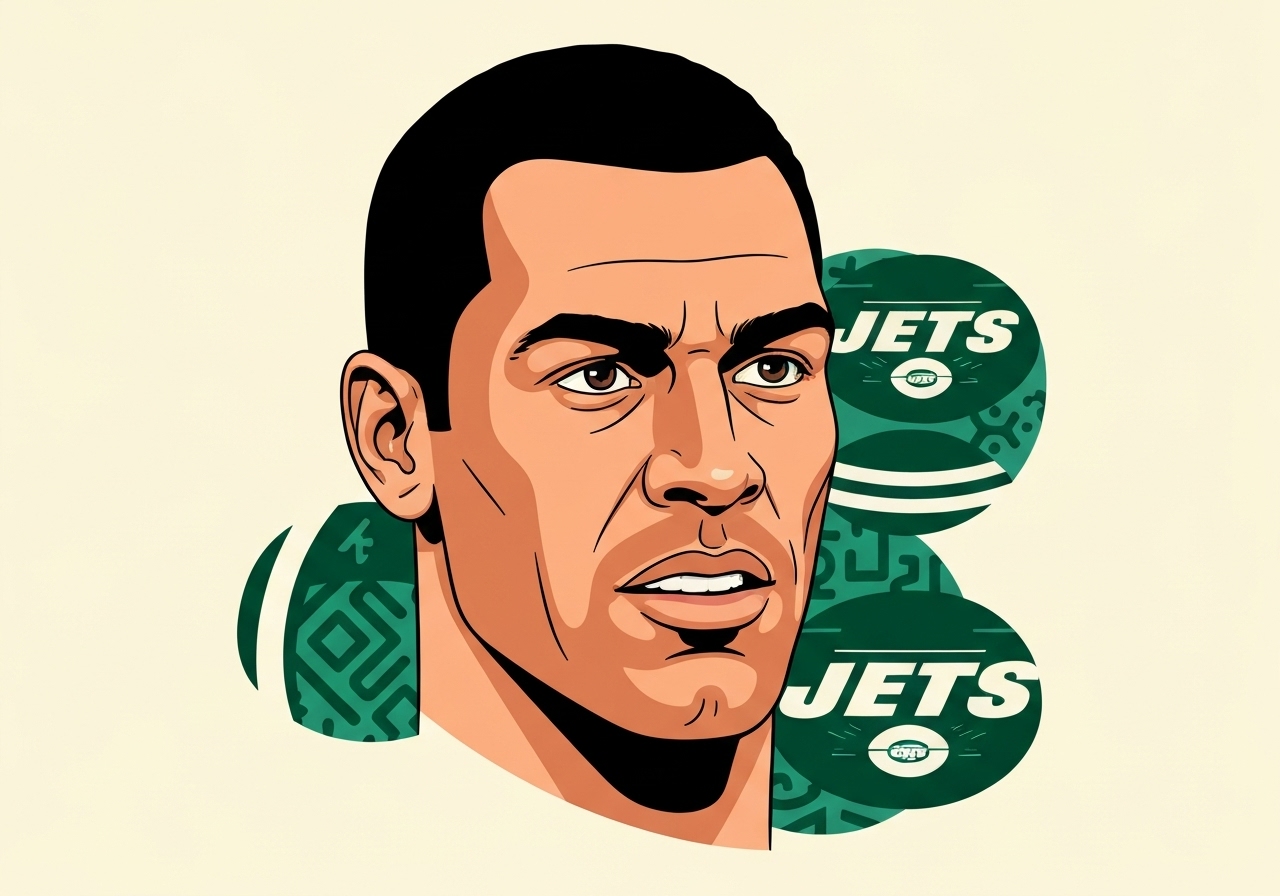
Jets head coach Aaron Glenn addressed the fallout from Tuesday’s high-profile trades on Wednesday, after the team’s 1-7 season start all but assured a 15th consecutive missed playoff berth. The moves sent cornerback Sauce Gardner and defensive tackle Quinnen Williams to other clubs in deals that included three first-round draft picks, prompting questions about the franchise’s short-term competitiveness. Glenn described Tuesday as an “intense day” at the facility and said the organization did not enter the season planning to trade either player. He reiterated a commitment to build a roster that will eventually make fans proud while asking the public to watch the team’s work unfold.
Key Takeaways
- The Jets began the season 1-7, which effectively assures a 15-season playoff drought will continue.
- On Tuesday, New York traded Sauce Gardner and Quinnen Williams in packages that included three first-round picks.
- GM Darren Mougey characterized the offers as “too good to pass up,” a line echoed by coach Aaron Glenn.
- Glenn called Tuesday “an intense day” and said neither trade was planned at the season’s start.
- Glenn appealed to fans for patience while promising the organization is working toward a team they can be proud of.
- The next game, against the Cleveland Browns on Sunday, will shift some attention back to on-field performance.
Background
The Jets entered the 2024 season with high hopes that were quickly dampened by a 1-7 start, a record that leaves playoff qualification out of realistic reach and extends New York’s postseason drought to 15 seasons. That context increased the value of the trade offers the front office received for two cornerstone defensive players: cornerback Sauce Gardner and defensive tackle Quinnen Williams. Both players were viewed as foundational pieces when acquired or drafted, which made decisions to trade them especially consequential for fan sentiment and the franchise’s identity. The organization’s leadership has framed the moves as difficult but necessary reactions to offers that were unusually rich in draft capital.
Front-office strategy in the NFL often pivots between trying to win now and accumulating future assets; the Jets’ trades signal a tilt toward the latter given the inclusion of multiple first-round picks. That calculation is influenced by the team’s current record, salary-cap considerations and the perceived window for contention. Head coach Aaron Glenn, who inherited a roster under transition, must manage locker-room morale, coach younger or less experienced players who may see more snaps, and communicate a coherent rebuilding narrative to a frustrated fan base. Fans and analysts will watch upcoming games not only for results but for glimpses of the roster the Jets hope to construct with new draft capital.
Main Event
On Tuesday, the Jets completed trades that saw Sauce Gardner and Quinnen Williams moved in deals that, by team statements and reporting, included three first-round draft picks among the assets exchanged. The precise composition of each package varies by report, but the common element was a significant haul of early-round selections. The timing—midseason moves involving two high-profile defenders—amplified scrutiny, as such players typically anchor a defense and symbolize a franchise’s competitive intent.
At a Wednesday press conference, Glenn described the previous day as “intense” and stressed that the team did not start the season with plans to part ways with either Gardner or Williams. He echoed GM Darren Mougey’s public framing that the offers were too valuable to decline, signaling a pragmatic front-office approach. Glenn emphasized ongoing work inside the facility and resisted framing the situation as requiring unconditional patience from fans, instead urging them to observe the team’s progress.
Glenn’s remarks were measured: he affirmed the long-term objective of building a team fans can take pride in while acknowledging the current reality. He repeatedly stated the desire for a proud team and used metaphors—asking fans not to “let go of the rope”—to convey a call for sustained engagement. The coach also previewed the immediate focus: preparing for Sunday’s matchup with the Cleveland Browns, where younger or newly elevated players will likely receive increased responsibilities.
Analysis & Implications
The trades mark a clear accumulation-of-assets strategy. By converting established starters into first-round picks, the Jets increase their currency for a multi-year rebuild or retooling phase. First-round selections are high-value because they provide controllable, cost-efficient talent under rookie contracts; for a franchise with a long playoff absence, those picks can accelerate a timeline to competitiveness if scouting and development succeed. However, draft capital carries inherent uncertainty — high selections do not guarantee Pro Bowl-caliber players.
For the coaching staff, the immediate consequence is roster disruption and opportunity. Defenders who took on significant snaps will be replaced by either backups or new acquisitions, shifting on-field chemistry and schematic continuity. That creates short-term performance risk—the team could struggle more in the remaining games—but it also offers coaches a clearer evaluation period for younger players and depth pieces before the offseason. How the organization manages player development and free-agent strategy over the next 12–18 months will determine whether the draft capital translates into sustained improvement.
From a market and salary-cap perspective, moving high-paid veterans can free space or shed expensive contracts, but it also removes proven production that would be costly to replace in free agency. The net gain depends on how the team reinvests picks and freed resources. League-wide, such midseason trades of elite defenders are notable because they can reshape divisional balance and signify a franchise admitting a longer rebuild horizon. For Jets stakeholders, the calculus will be judged by how effectively the front office converts the incoming picks into roster upgrades.
Comparison & Data
| Metric | Current |
|---|---|
| Season start | 1-7 |
| Playoff drought | 15 seasons |
| Notable players traded | Sauce Gardner, Quinnen Williams |
| Draft capital acquired | Packages including three first-round picks |
This simple comparison underscores why the front office pivoted: the poor start and prolonged playoff absence increase the value of accumulating high draft picks. While the table does not predict outcomes, it frames the core facts driving personnel and strategic choices.
Reactions & Quotes
“I want this to be a team that the fans are proud of,”
Aaron Glenn, Jets head coach
Glenn used that line repeatedly, coupling it with an appeal for supporters to watch how the club operates going forward rather than judging solely on the transactions.
“We received offers that were too good to pass up,”
Darren Mougey, Jets general manager
Mougey’s public rationale, cited by Glenn, frames the trades as financially and strategically prudent moves driven by market realities rather than a sudden change in philosophy.
“This is a league of change,”
Team leadership comment relayed at press availability
That phrase was used by team officials to normalize midseason roster turnover and to signal acceptance of transactional flux across the league.
Unconfirmed
- It is not yet confirmed whether the team will declare a formal full-scale rebuild; leadership has used pragmatic language but not labeled the plan definitively.
- Reports vary on the exact structure and protections attached to the three first-round picks; full trade language has not been publicly posted in all cases.
- Any internal player requests or locker-room dynamics that might have influenced the transactions have not been independently verified.
Bottom Line
The Jets’ midseason trades of Sauce Gardner and Quinnen Williams crystallize a choice to prioritize future draft capital over maintaining current defensive continuity, set against a backdrop of a 1-7 start and a 15-season playoff drought. Coach Aaron Glenn framed the decisions as difficult but defensible, asking fans to follow the team’s progress rather than conclude the franchise’s trajectory based solely on the moves.
Short term, the roster will see more inexperienced players and the team’s on-field results could suffer further; long term, the value of multiple first-round picks gives the front office a clearer runway to attempt a rebuild. How the Jets translate pick capital into durable talent will determine whether fans eventually look back on these trades as the start of a turnaround or as a prolonged reset.