
Lead
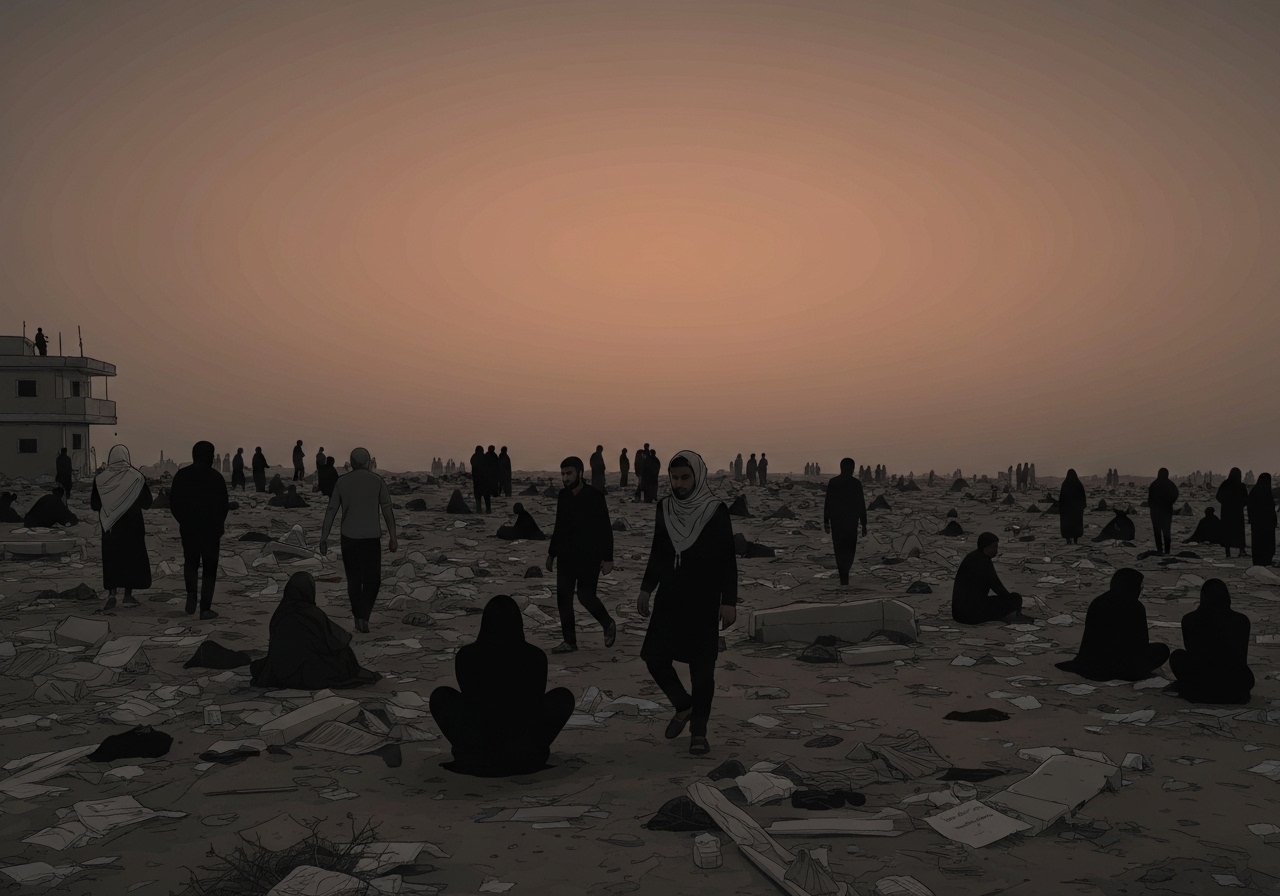
Gaza’s Health Ministry reported that the Palestinian death toll has now exceeded 70,000 since the Israel-Hamas war began on Oct. 7, 2023, saying the figure reached 70,100 as of Saturday. The tally comes amid a ceasefire that took effect on Oct. 10, but strikes and recovered bodies from earlier attacks have continued to push the total higher. Local hospital staff in southern Gaza said an Israeli drone strike near a school shelter in Beni Suhaila killed two brothers, ages 8 and 11. Israeli military statements and Gaza officials offer differing accounts of recent incidents, and international actors continue to press for enforcement of the truce.
Key Takeaways
- Gaza Health Ministry reports 70,100 Palestinians killed since the conflict began on Oct. 7, 2023, a figure the ministry tallies without separating civilians and combatants.
- Since the Oct. 10 ceasefire, Gaza’s Health Ministry says at least 352 Palestinians have been killed; bodies from earlier strikes are still being recovered from rubble.
- Nasser Hospital in southern Gaza received two children, ages 8 and 11, killed in Beni Suhaila after an Israeli drone struck near a school sheltering displaced people.
- Israel’s military said it killed people who crossed into Israeli-controlled areas and “conducted suspicious activities,” a statement that did not specify ages or civilians.
- The Health Ministry operates under the Hamas-run government but is staffed by medical professionals and maintains records that international actors generally regard as reliable.
- Regional violence has broadened: Syrian officials reported an Israeli raid that killed at least 13 people, and Israel says it has intensified strikes in Lebanon targeting Hezbollah sites.
- Reports of settler violence in the occupied West Bank continue; the Palestinian Red Crescent reported 10 people injured in an attack near Bethlehem.
Background
The current war began with a large-scale attack by Hamas and allied militants on Oct. 7, 2023, which Israeli authorities say killed about 1,200 people and resulted in more than 250 hostages taken. Subsequent Israeli military operations across the Gaza Strip produced heavy civilian casualties and destruction, prompting repeated international concern. On Oct. 10, 2024, a ceasefire went into effect; its enforcement has been imperfect, with both sides accusing the other of violations and intermittent strikes continuing.
Gaza’s Health Ministry, which reported the 70,100 figure, operates under the Hamas-run civil administration but is staffed by trained medical personnel and has been the primary source for casualty figures cited by international organizations. Israel distinguishes between militants and civilians in its public statements but in many instances does not publicly release detailed casualty breakdowns. Humanitarian organizations, foreign governments and mediators have repeatedly warned about the humanitarian consequences of sustained urban warfare and access restrictions for aid and medical evacuation.
Main Event
Local medical staff at Nasser Hospital in the southern Gaza town of Deir al-Balah said the bodies of two brothers, ages 8 and 11, arrived after what hospital staff described as an Israeli drone strike near a school sheltering displaced people in Beni Suhaila. Hospital staff conveyed the ages and condition of the bodies; the Health Ministry added the fatalities to its overall count. The hospital’s account represents the primary source for the claim about the children’s deaths.
Israel’s military separately said its forces killed two people who crossed into an Israeli-controlled area, “conducted suspicious activities” and approached troops; that statement did not mention children and presented a different account of events in the south. The military also reported a separate but similar incident in which another person was killed. Israeli statements frame lethal actions as responses to security threats or alleged truce violations.
Since the Oct. 10 ceasefire, Gaza’s Health Ministry reported at least 352 Palestinians killed in strikes and incidents it links to alleged ceasefire breaches. Officials say that in many cases teams are still recovering bodies from collapsed buildings and rubble from earlier phases of the war, which can raise tolls weeks after the attacks occurred. Both Israel and Hamas have accused the other of violating the truce, and mediators continue to press both sides to limit hostilities and expand humanitarian access.
Analysis & Implications
The crossing of the 70,000-death threshold marks a grim milestone that underscores the scale of civilian suffering and infrastructural collapse in Gaza. Even when a formal ceasefire is in place, the recovery of bodies, targeted follow-up strikes and localized incidents can push casualty totals higher, complicating efforts to stabilize the territory and resume reconstruction. That continued rise in fatalities will likely intensify international pressure on mediators and donors to accelerate both a durable cessation of hostilities and relief flows.
Politically, the discrepancy between the Health Ministry’s figures and Israeli military narratives fuels competing claims about responsibility and proportionality. Because the Health Ministry does not separate civilians from combatants in its public totals, analysts and states seeking precise civilian casualty counts must rely on additional verification, restricting consensus about the share of noncombatant victims and complicating legal and diplomatic assessments.
Regionally, parallel operations and cross-border strikes — including reported raids in Syria and stepped-up activity in Lebanon — show how the Israel-Hamas war has widened, raising risks of escalation with Hezbollah and other militias. That widening footprint increases diplomatic stakes for third parties, including states proposing post-conflict arrangements and those supplying security or stabilizing forces.
Comparison & Data
| Metric | Reported Count | Source / Note |
|---|---|---|
| Palestinian deaths (Gaza) | 70,100 | Gaza Health Ministry (does not separate civilians/combatants) |
| Deaths in Hamas Oct. 7 attack on Israel | ~1,200 | Israeli tallies of the Oct. 7, 2023 attack |
| Hostages taken Oct. 7 | >250 | Returned mostly via ceasefires or deals |
| Deaths since Oct. 10 ceasefire (Gaza ministry) | 352 | Reported by Gaza Health Ministry |
| Reported deaths in Syrian raid | At least 13 | Syrian officials’ account cited by AP |
The table juxtaposes the Gaza toll with the initial Israeli losses and hostage figures to provide context for the conflict’s human cost. The Gaza Health Ministry’s methodology — reporting aggregate deaths without distinguishing combatant status — differs from how some other actors report casualties, which can make direct comparisons imprecise. Data collection in active conflict zones is affected by access, record-keeping disruptions and differing definitions, so independent verification is often delayed.
Reactions & Quotes
“Conducted suspicious activities”
Israeli military statement
Israel’s military used the phrase in a brief statement describing operations that led to the deaths of people who crossed into Israeli-controlled areas. The wording was part of an account that said troops engaged persons who allegedly approached soldiers in a manner the military judged threatening; the statement did not specify ages or whether those killed were civilians or armed actors.
“Pressure Israel to stop what it called ceasefire violations”
Hamas statement via AP reporting
Hamas urged mediators to exert pressure on Israel over alleged ceasefire breaches, framing the continued strikes as violations that undermine civilian safety and hinder relief. That demand follows repeated appeals from Gaza authorities and aid groups for stronger enforcement of the truce to allow medical evacuation and supplies to reach hospitals.
“Two brothers, ages 8 and 11,”
Staff at Nasser Hospital
Nasser Hospital staff provided ages and circumstances for the two brothers who arrived at their facility, saying they were killed when a drone struck near a school shelter. Hospital personnel are often the first to report casualty details in Gaza; such field reports form a primary basis for ministry tallies but can take time to corroborate independently.
Unconfirmed
- Attribution in some recent fatalities: independent verification is not yet available for every reported strike, including the precise circumstances of the two children’s deaths beyond hospital statements.
- Full casualty breakdown by category (civilian vs. combatant) for the 70,100 figure has not been published by an independent international body and therefore remains unverified.
- Details and motivations behind reported cross-border operations in Syria and Lebanon are contested between national authorities and third-party accounts; casualty claims and operational intent remain under investigation.
Bottom Line
The Gaza death toll surpassing 70,000 is a sobering indicator of the conflict’s prolonged human cost, even after a formal ceasefire took effect on Oct. 10. Continued strikes, recovered bodies from earlier attacks and localized incidents mean the headline figure may keep rising, complicating relief and reconstruction planning.
For policymakers and mediators, the immediate priorities remain enforcing the truce, ensuring predictable humanitarian access and establishing verifiable mechanisms for casualty reporting. Without clearer verification and more consistent protection for civilians and medical infrastructure, international pressure for a durable settlement and reconstruction plan is likely to increase.
Sources
- Associated Press — news reporting and field dispatch (primary source for casualty figures and local accounts)