
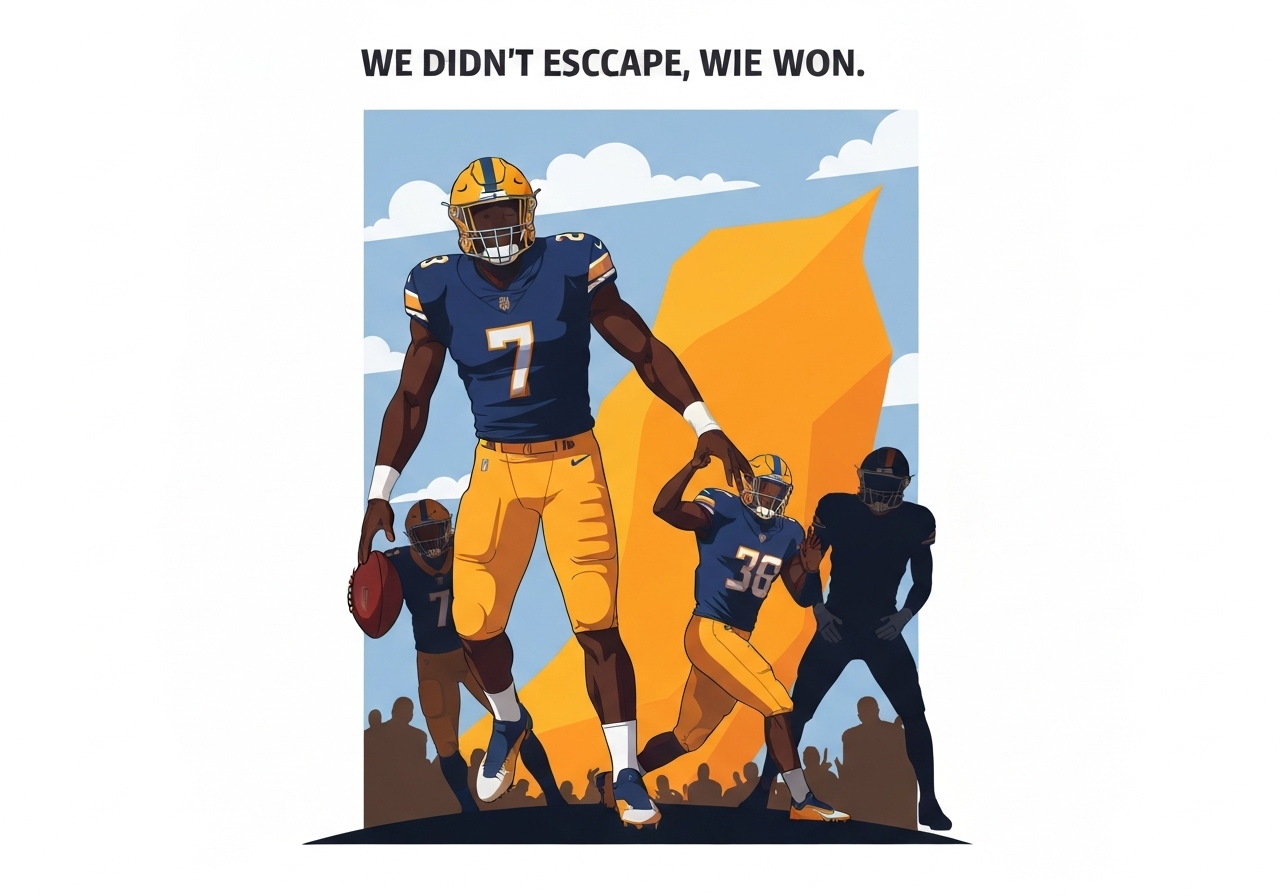
Lead: On Sunday night in Washington, the Denver Broncos edged the Commanders 27-26 after an overtime two-point try was deflected, securing a dramatic road victory. The decisive play came when Broncos edge rusher Nik Bonitto tipped Marcus Mariota’s pass intended for Jeremy McNichols with 2:47 remaining in overtime. Some observers called the outcome an escape, but head coach Sean Payton rejected that framing, saying, ‘We didn’t escape. We won.’ The narrow result extended Denver’s string of close finishes as they pursue playoff positioning.
Key Takeaways
- The Broncos beat the Commanders 27-26 on Sunday night in Washington after a tipped two-point conversion ended the game.
- Nik Bonitto deflected Marcus Mariota’s pass intended for Jeremy McNichols with 2:47 left in overtime, sealing the win.
- Head coach Sean Payton publicly dismissed the idea that Denver merely escaped, telling reporters the team earned the victory.
- Denver’s last four wins have been decided by a combined 10 points, highlighting a pattern of narrow margins.
- Seven of the nine wins in Denver’s current streak have come by four points or fewer, underscoring consistency in close-game performance.
- While luck plays a role in tight outcomes, Denver has repeatedly put itself in position to capitalize on late-game opportunities.
- Sustaining this trend could position the Broncos for a top playoff seed, complicating other AFC teams’ paths to the Super Bowl.
Background
The Broncos arrived in Washington on the back of a long winning run that has often been decided in the final minutes. Close finishes are a recurring theme this season for Denver; the team has repeatedly prevailed in one-score games, which has kept momentum alive as they chase favorable playoff seeding. Opponents and analysts have debated whether those results reflect superior late-game execution, roster construction, or an element of chance. The Commanders, fighting to improve their standing, executed a textbook overtime drive and opted for a two-point attempt to end the game rather than extend it.
Two-point conversion decisions late in overtime are high-leverage choices that reflect a coach’s risk tolerance and assessment of matchups. For the Commanders, the call to go for two came after an overtime touchdown and was a straightforward shot at a walk-off win. On the Broncos’ side, defensive execution on a single snap — an extended reach by Bonitto — made the difference between defeat and another narrow victory. Across the league, teams that consistently win tight games often combine situational coaching, play design, and opportunistic defense.
Main Event
The decisive sequence began after the Commanders scored a touchdown with 2:47 left in overtime, electing to attempt a two-point conversion to win the game on the spot. Quarterback Marcus Mariota targeted running back Jeremy McNichols in the backfield, and according to broadcast and team accounts, McNichols was open in the designated space. A Broncos rush came on the throw; edge rusher Nik Bonitto extended his arms and got enough of the ball to alter its trajectory.
The tipped pass fell incomplete, and the Broncos celebrated a 27-26 victory. On the sideline after the play, Denver players and coaches emphasized preparation and execution rather than fortune. Payton, addressing reporters and quoted via the Associated Press, pushed back on the narrative that Denver had merely escaped, framing the result as an earned win and part of a larger seasonal journey for a team learning to close games.
Postgame reactions from both locker rooms focused on fine margins. The Commanders lamented the single play that ended their attempt to win in overtime, while Broncos personnel highlighted the repeated ability of the roster to be in position to take advantage of such moments. Game film shows the tight window Mariota had to hit McNichols and the small difference Bonitto’s deflection made; an inch in either direction would have produced a different headline.
Analysis & Implications
There are several ways to interpret Denver’s run of narrow wins. One view credits coaching and execution: the Broncos have designed late-game plays and defensive packages that create opportunities for decisive stops or conversions. Another perspective emphasizes variance: one-score games inherently involve a larger role for chance, whether through tipped passes, officiating, or small errors. Both elements can coexist — good teams reduce the size of mistakes while increasing the frequency with which they create opportunities.
From a roster-construction angle, Denver’s ability to manufacture pressure without overhauling personnel has been important. Edge rushers like Bonitto producing timely plays can swing outcomes in tight contests. On offense, having a quarterback and supporting cast that can move into scoring range in late situations keeps the team competitive, even when margins are thin. That combination matters most in the postseason, where single plays often decide series.
Playoff implications are concrete. If Denver sustains this pattern and continues winning, the Broncos are positioned to contend for a top seed in the AFC. A higher seed would yield home-field advantages that matter in cold-weather months and reduce the need for a road playoff victory. Conversely, opponents seeking a Super Bowl berth will need strategies specifically designed to avoid leaving games to a single tipped pass or a single short-yardage conversion attempt.
Comparison & Data
| Metric | Value |
|---|---|
| Last 4 wins: combined margin | 10 points |
| Wins in current streak | 9 games |
| Wins by 4 points or fewer (this streak) | 7 games |
The table summarizes the narrowness of Denver’s recent victories. That frequency of close outcomes is atypical relative to league averages, where dominant teams typically post wider margins. The data suggest Denver repeatedly finds ways to secure late outcomes, whether through design, execution, or fortuity. For opponents and analysts, the pattern invites deeper study into play-calling tendencies and situational success rates.
Reactions & Quotes
After the game, Payton framed the result as earned and instructive for team confidence and habit formation.
We didn’t escape. We won. The journey of a good team’s season involves games like this.
Sean Payton / Broncos head coach (via Associated Press)
Broncos players emphasized preparation rather than luck when asked about the final sequence.
We put ourselves in position to make plays when it counts; tonight we made one.
Broncos player comment / postgame locker-room
A representative view from the Commanders’ side noted how small margins determined the outcome and the sting of a single tipped pass.
One play changed everything. It’s a tough way to lose, but we competed.
Commanders postgame remarks
Unconfirmed
- Whether Mariota’s throw was intended specifically for McNichols or an alternate read; available reports indicate McNichols was the target but detailed play-calling notes have not been released.
- The degree to which luck versus design explains Denver’s streak; advanced situational metrics would be required to separate variance from repeatable skill.
- Any internal roster or injury adjustments planned by either team in direct response to the play have not been publicly confirmed as of game day reporting.
Bottom Line
The Broncos’ 27-26 road victory in Washington underscores a season-long pattern of tight finishes. While some outcomes depend on small margins and elements of chance, Denver has repeatedly found ways to be on the favorable side of those margins, which coaches and players argue reflects preparation more than escape.
Looking forward, the key questions are whether Denver can convert narrow wins into more decisive performances and whether the accumulation of close victories will translate into a high playoff seed. Opponents chasing a Super Bowl berth must plan to limit late-game variance when they face the Broncos, because single plays continue to determine outcomes.
Sources
- NBC Sports (sports media, news report citing Associated Press)
- Associated Press (news wire, original reporting via Michael Phillips)