
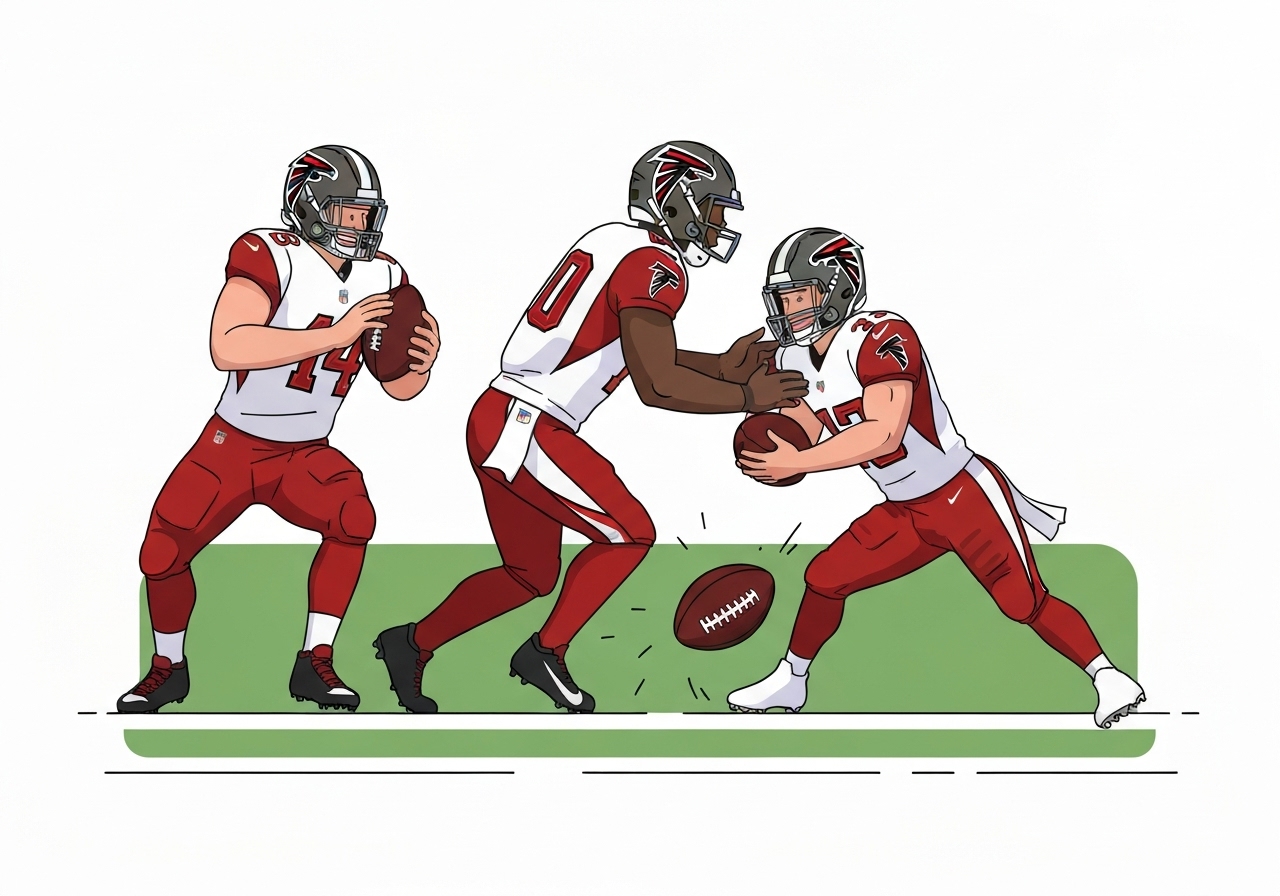
Lead: The Tampa Bay Buccaneers led 7-0 early, but a special-teams penalty erased a 31-yard field goal by Atlanta and turned the drive into an 8-yard touchdown pass from Kirk Cousins to Kyle Pitts. The sequence occurred after Zyon McCollum was flagged for offsides on a fourth-and-4 play, and the score tied the game 7-7 with 12:11 remaining in the second quarter. At that point Cousins was 8-of-10 for 83 yards and one touchdown, while Bijan Robinson had six carries for 33 yards. The call shifted momentum in the red zone and produced an immediate scoring swing.
Key Takeaways
- The Buccaneers held a 7-0 lead before the penalty changed the drive outcome in Atlanta’s favor.
- Zane Gonzalez’s 31-yard field goal was nullified by a 5-yard offsides penalty on Bucs CB Zyon McCollum on fourth-and-4.
- On the next play, Kirk Cousins connected with TE Kyle Pitts for an 8-yard touchdown, tying the game 7-7 at 12:11 in Q2.
- Cousins’ line at that point: 8 completions on 10 attempts for 83 yards and one touchdown.
- Kyle Pitts had three catches for 47 yards; Bijan Robinson carried six times for 33 yards.
Background
Special teams penalties in the red zone carry outsized consequences because they can convert defensive stands into extended opportunities for the offense. Offsides and neutral-zone infractions are among the most consequential — a few inches at the line can be the difference between a turnover on downs and a fresh set of downs. Tampa Bay’s defense had executed an effective stop on third down earlier in the series, forcing a field-goal attempt that would normally have been routine for Atlanta.
Both teams entered the matchup aware that field position and red-zone efficiency would shape the early game. Atlanta’s coaching staff often emphasizes converting short-yardage situations with play-action and tight-end targets, and Kyle Pitts is a primary beneficiary of routes over the middle in those spots. Tampa Bay’s special teams unit has been under scrutiny for consistency, making a situational penalty especially damaging to in-game momentum.
Main Event
The pivotal sequence began when the Buccaneers halted the Falcons on third down inside the red zone. Atlanta lined up for a 31-yard Zane Gonzalez field goal, and the kick initially appeared to put points on the board. Officials then called a 5-yard offsides penalty on cornerback Zyon McCollum, assessed on fourth-and-4 and negating the successful kick. Replays showed the alignment was tight; it was unclear at the time whether McCollum had reestablished outside the neutral zone before the snap.
Because the penalty moved the ball closer and repeated the down, Atlanta elected to run another play rather than retry the kick. On the subsequent snap, quarterback Kirk Cousins targeted tight end Kyle Pitts in the end zone area, completing an 8-yard touchdown pass. The play completed a conversion that turned a potential field goal into a touchdown, equalizing the score at 7-7.
At the moment the touchdown was recorded the game clock read 12:11 remaining in the second quarter. Statistical snapshots from that point showed Cousins highly efficient — 8-for-10 passing for 83 yards and a touchdown — while Pitts accounted for three receptions and 47 yards. Running back Bijan Robinson had already gained 33 yards on six carries, contributing to Atlanta’s balance on the drive.
Analysis & Implications
The penalty highlights how special-teams discipline can directly affect scoring outcomes. A five-yard offsides call on a fourth down inside the opponent’s 10-yard line is a high-leverage error: it removes the opponent’s chance to take guaranteed points and instead hands them a new play opportunity. Coaches and coordinators routinely emphasize that margin for error in those situations is effectively nil.
For Tampa Bay, the play will likely prompt a review of pre-snap alignment and communication between the rush unit and the backline. If the replay shows a marginal alignment, the staff may emphasize conservative positioning on similar fourth-down field-goal attempts to avoid repeat infractions. Conversely, Atlanta’s decision to run a play after the penalty rather than re-kick underscored calculated aggression; the Falcons trusted their short-yardage execution and received immediate payoff.
From a momentum perspective, the swing from a successful field goal to an opponent touchdown can alter play-calling tendencies in the immediate possessions that follow. Tampa Bay’s offense may feel additional pressure to respond with points on their next drive, while Atlanta can lean on passing situations that favor Cousins-to-Pitts matchups. Over the course of a full game, a single red-zone penalty of this kind can flip win-probability by several percentage points.
Comparison & Data
| Metric | Falcons | Buccaneers |
|---|---|---|
| Score (post-TD) | 7 | 7 |
| Time | 12:11 remaining, 2nd quarter | |
| Kirk Cousins (C/Att/Yds/TD) | 8/10 / 83 / 1 | — |
| Kyle Pitts (Rec/Yds) | 3 / 47 | — |
| Bijan Robinson (Rushes/Yds) | 6 / 33 | — |
The table isolates the key figures tied to the sequence: the penalty, the erased field goal, and the immediate touchdown that followed. Those numbers show Atlanta’s early offensive efficiency and the individual contributions that made the touchdown possible. Coaches will review these exact plays to determine whether the penalty was avoidable or the result of a marginal split-second decision at the line.
Reactions & Quotes
“A five-yard offsides on fourth-and-4 turned what looked like a routine three points into a touchdown opportunity for Atlanta.”
NBC Sports (game report)
“The call was tight at the line; replay will be important to see whether the defender cleared the neutral zone in time.”
NBC Sports (play recap)
Unconfirmed
- Whether Zyon McCollum fully reestablished himself outside the neutral zone before the snap remains unclear pending official replay confirmation.
- Any internal disciplinary or schematic changes by the Buccaneers’ special teams staff following the play had not been announced at the time of this report.
Bottom Line
The sequence underlines how a single special-teams infraction in the red zone can reverse a defensive stop into an opponent touchdown. That five-yard penalty on fourth-and-4 erased points and immediately shifted momentum, tying the game at 7-7 early in the second quarter. Tampa Bay will likely examine both alignment and in-game communication to reduce the chance of a repeat.
For Atlanta, converting the penalty into a touchdown validated an aggressive approach to replaying the down rather than reattempting the kick. The drive also reinforced the value of targeting tight end Kyle Pitts in short-yardage passing situations. As the game progresses, such situational outcomes will influence both teams’ decisions on fourth down and in red-zone play-calling.