
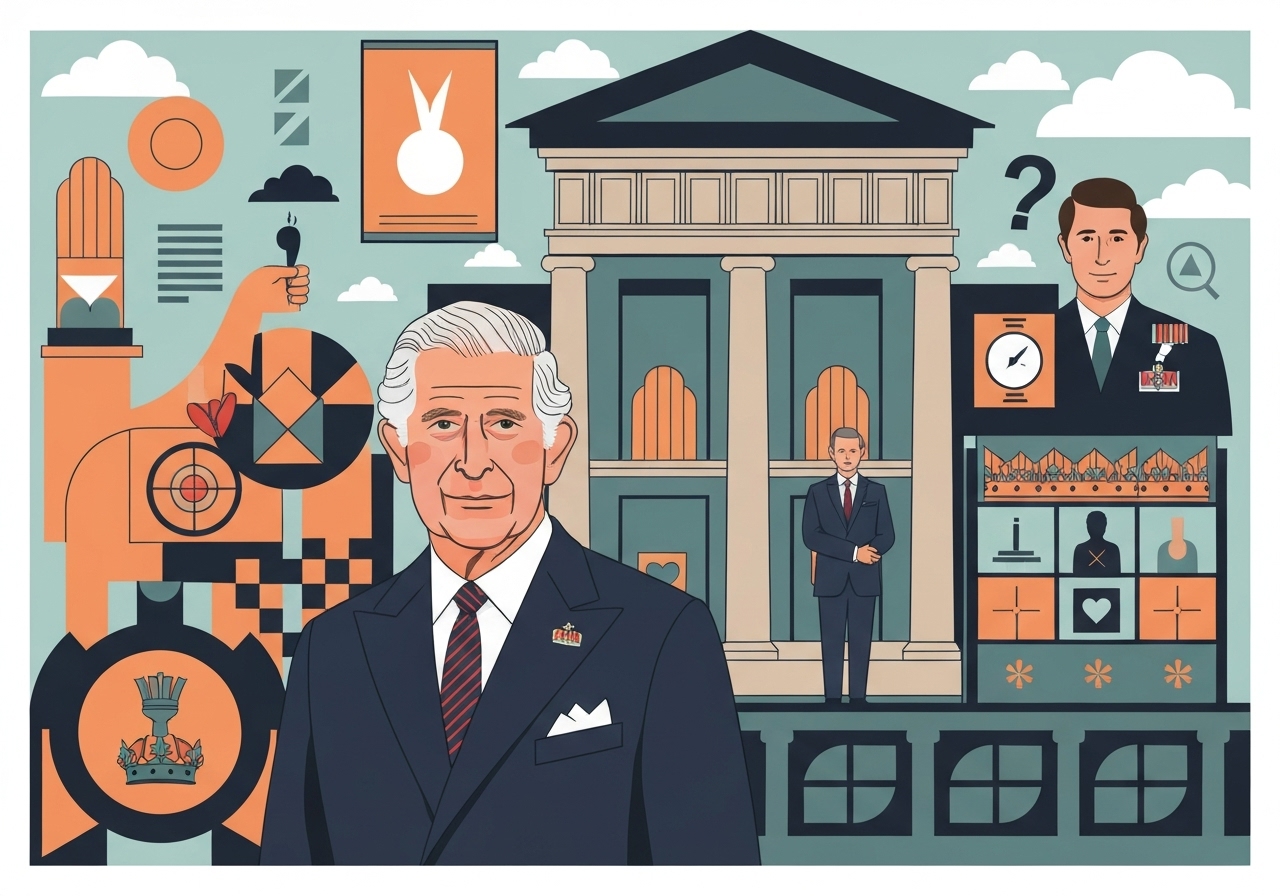
Lead: King Charles III, 77, addressed the public in a video message during a Channel 4 “Stand Up to Cancer” telethon, describing his cancer journey and urging people to use screening services. He said his treatment schedule will be reduced in the new year following an early diagnosis and ongoing outpatient care. Buckingham Palace called the next stage a “precautionary phase” and said his condition will be closely monitored. The monarch used his platform to press the health message that early detection saves lives.
Key Takeaways
- The king, aged 77, announced in February 2024 that he had been diagnosed with cancer; he has received outpatient treatment for almost two years.
- In a televised statement, Charles said his treatment schedule will be reduced in the new year due to early diagnosis and effective intervention.
- Buckingham Palace described the next stage as a “precautionary phase,” but stopped short of calling the king in remission.
- The specific cancer type and full treatment details have not been disclosed by the palace; the diagnosis followed tests after treatment for an enlarged prostate.
- The king suspended public duties for about two months after the diagnosis and has since resumed appearances and visits to cancer treatment centres nationwide.
- His public disclosure prompted increased public interest and enquiries about cancer screening, according to leading UK charities.
- Princess of Wales Kate, 43, announced her own cancer diagnosis six weeks after the king and reported remission in January.
Background
The announcement marked a notable shift from the long-standing convention of limited public detail about senior royal health matters. Historically, royal illness has been handled with abbreviated official statements; Charles’s decision to speak directly about his diagnosis and to link it to public health advice deviates from that pattern. The palace has framed selective transparency as a deliberate choice to allow the king’s experience to encourage broader use of screening programmes for breast, bowel and cervical cancer provided by the NHS. Public health bodies and cancer charities see high-profile disclosures as a way to overcome hesitation about screening and to increase early detection.
Charles’s cancer was discovered after he received medical attention for an enlarged prostate; doctors ruled out prostate cancer but identified a separate concern. The medical timeline shows a diagnosis announced in February 2024 and nearly two years of outpatient treatment since then. During an initial period after the diagnosis the king stepped back from many public duties for roughly two months to focus on treatment. Since returning to official and public-facing roles, he has visited treatment centres and met fellow patients, using those encounters to reinforce screening messages.
Main Event
On Friday the king’s video statement aired during a Channel 4 telethon supporting cancer research and awareness. In the short address he acknowledged the emotional weight of a cancer diagnosis and emphasised that early detection offers the best chance to transform treatment pathways. He described following medical advice and treatments that have allowed him to remain engaged in public life while receiving outpatient care. The palace confirmed the coming reduction in his treatment schedule and characterised the next stage as precautionary monitoring rather than a full cessation of clinical follow-up.
The palace has deliberately not specified the cancer type or the precise medical interventions, saying that choice was intended to keep the focus on the public health message. Officials have been consistent in noting that the diagnosis was found after procedures for an enlarged prostate, with prostate cancer excluded by tests and another issue identified. The king’s two-month pause from public duties early in the course of his illness has been the most significant interruption to his schedule since the announcement. Since then, his public appearances have included visits to NHS and charity-run cancer services, where he has spoken with patients and staff.
Health charities praised the king’s openness and reported measurable increases in public engagement with information and screening services following his disclosure. Senior figures at Macmillan Cancer Support and Cancer Research UK publicly thanked the monarch for helping to destigmatise cancer conversations and to encourage people to seek checks. Broadcaster and authorised biographer Jonathan Dimbleby said the candour was unusually bold for a monarch and suggested it could have life-saving effects by prompting earlier diagnosis for others.
Analysis & Implications
Charles’s public handling of his illness is likely to have several short- and long-term public-health effects. In the short term, prominence given to screening and early detection tends to increase appointments and inquiries, stretching diagnostic services but potentially catching more cancers at an earlier, more treatable stage. UK charities and NHS commissioners may need to manage surges in demand while converting new interest into sustained uptake of screening programmes. The monarch’s message reinforces existing NHS campaigns that emphasise routine screening for breast, bowel and cervical cancers.
Politically and institutionally, the choice to speak even without detailed clinical disclosure sets a precedent for selective transparency about royal health. It balances privacy with a public-service rationale: leveraging a high-profile case to promote preventive health. That approach may shape future communications strategy for the palace and raise expectations for what senior royals disclose when their health becomes a matter of public concern. It also tests media and public appetite for medical detail versus privacy.
Economically and operationally, any sustained rise in screening uptake can have downstream effects on NHS waiting lists, diagnostics capacity and funding priorities. Early detection can reduce long-term treatment intensity and costs for some cancers, but an initial surge in tests, scans and follow-ups requires resourcing. Internationally, the king’s message will resonate because royal and celebrity health disclosures often trigger awareness spikes beyond national borders, potentially influencing screening behaviours in other English-speaking countries.
Comparison & Data
| Item | Detail |
|---|---|
| Age | 77 (King Charles III) |
| Diagnosis announced | February 2024 |
| Treatment setting | Outpatient, nearly two years |
| Public duty suspension | About two months after diagnosis |
| Princess of Wales | Age 43; reported remission in January |
The table places the king’s timeline beside a few key facts to clarify duration and public milestones. These figures help explain why public-health organisations reacted quickly: a senior public figure revealing a diagnosis after a relatively short pause in duties creates a clear narrative that can influence behaviour. The lack of a disclosed cancer type means comparisons with typical survival or treatment statistics are not possible here; that uncertainty shapes both public reaction and health-service planning.
Reactions & Quotes
Leaders of major UK cancer charities welcomed the king’s openness and described immediate increases in public interest in screening information. Their statements framed the disclosure as potentially life-saving because it encourages earlier checks and swifter referral into diagnostic pathways.
We are incredibly grateful to His Majesty for sharing his experience with such openness and honesty.
Macmillan Cancer Support (charity)
Macmillan’s comment accompanied reports of higher web traffic and hotline enquiries after the announcement, reflecting a measurable public response to high-profile disclosures. Charity leaders urged the public to act on the reminder and book routine screening where eligible.
When public figures speak openly about their cancer diagnosis, it can prompt others to check in on their health — and that is a real positive.
Cancer Research UK (charity)
Jonathan Dimbleby, the king’s authorised biographer, highlighted the unusual nature of a monarch speaking directly about cancer and suggested the statement’s candour could have tangible public-health benefits. Broadcaster commentary emphasised the personal risk taken in breaking with royal reticence.
It takes guts, and the fact that he came out and did that will save lives.
Jonathan Dimbleby (broadcaster/biographer)
Unconfirmed
- The precise type of cancer and the full details of the treatments Charles received have not been disclosed by the palace.
- The palace has not described whether the king is in remission; the term has not been used in official statements.
- Any long-term prognosis or a timetable for complete resumption of all duties remains unspecified and subject to clinical monitoring.
Bottom Line
King Charles III’s public update turns a private clinical matter into a high-profile public-health prompt: his emphasis on screening and early detection is intended to encourage others to seek routine checks. The palace’s selective transparency — giving headline details while withholding clinical specifics — appears designed to maximise the public-health takeaway while preserving medical privacy. For health services, the immediate practical effect is likely a short-term rise in enquiries and screening uptake that will need managing within existing diagnostic capacity.
Longer term, the episode may recalibrate expectations about how much medical detail senior royals disclose and when, blending personal privacy with public responsibility. For individuals, the take-away is straightforward: if eligible for screening, using those services increases the chance of catching disease earlier and widening treatment options.
Sources
- AP News (news report summarising palace statements and reactions)
- The Royal Household (official statements and communications)
- Macmillan Cancer Support (charity)
- Cancer Research UK (charity/ research)