
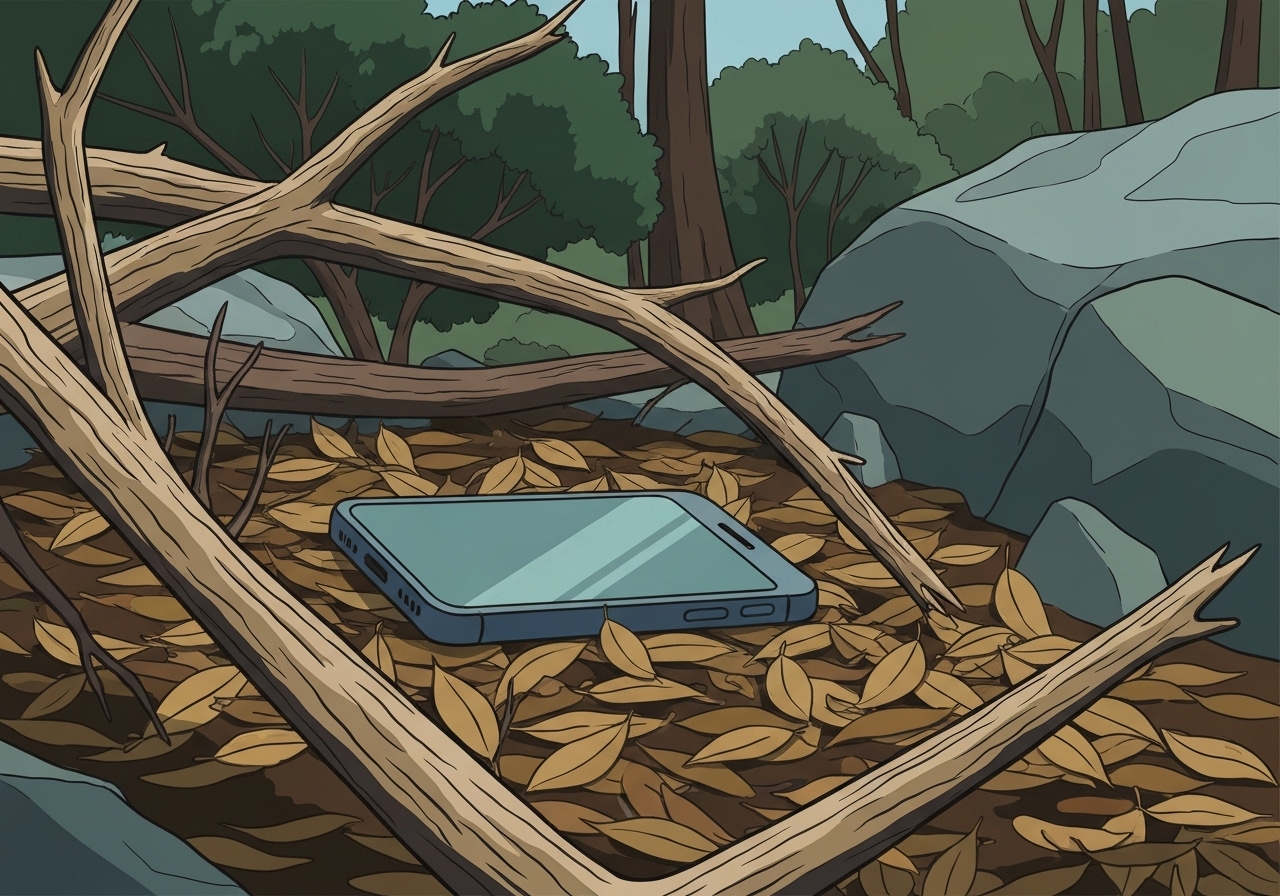
Lead: More than two years after she vanished, Belgian national Celine Cremer’s mobile phone was recovered over the weekend near Philosopher Falls in northwestern Tasmania, police said. Cremer was last seen on June 17, 2023, in Waratah; her car was located about 10 days later. The device was discovered by an independent search group organized by friends and family and will undergo forensic testing as Tasmania Police formally join the renewed search. Authorities say the find is the first physical sign of Cremer in the immediate area since her disappearance.
Key Takeaways
- Celine Cremer was last seen on June 17, 2023, in Waratah, northwestern Tasmania; her vehicle was found 10 days later.
- The phone was located over the weekend prior to December 16, 2025, at Philosopher Falls, a waterfall set in dense rainforest.
- An independent search party of friends, family and volunteers found the device; Tasmania Police provided advice and will now formally join the search.
- Medical advisers in 2023 told police that extended exposure to the area’s winter conditions—subzero temperatures, snow and rain—made long-term survival unlikely.
- Police say phone data and the discovery location are consistent with a theory that Cremer left the marked Philosopher Falls track to attempt a more direct route back to her car.
- Forensic examination of the phone is pending; investigators say the device may help reconstruct Cremer’s movements before she disappeared.
- Search efforts have continued intermittently over two years, with follow-up operations yielding no definitive leads until this recovery.
Background
Celine Cremer, a Belgian national, was last confirmed seen on June 17, 2023, in the small Tasmanian town of Waratah. Friends reported her missing on June 26, 2023, and a police-led search began on June 27. Investigators located her car roughly 10 days after the last sighting but discovered no other trace of her in the initial sweep.
The Waratah area and the Philosopher Falls track are characterized by dense temperate rainforest and steep terrain. In June 2023, the region experienced an unusually strong spell of winter weather, including subzero temperatures, snowfall and heavy rain—conditions that medical specialists told police would severely limit a person’s chance of surviving many days unaided. That assessment shaped the early search strategy and the subsequent conclusion that survival beyond a short window was unlikely.
Main Event
An independent search group formed by Cremer’s friends and family, with assistance from volunteer searchers and adventure filmmaker Rob Parsons, resumed active searching in the Philosopher Falls area in December 2025. Over the weekend before December 16, 2025, they located a mobile phone at a waterfall site that matches the Philosopher Falls environs, Tasmania Police said. Police confirmed they were providing guidance to the civilian-led effort but were not the original coordinators of the find.
Tasmania Police Inspector Andrew Hanson described the discovery as the first physical evidence of Cremer in that immediate area since the car recovery. Investigators noted that the phone’s location is in ground which had been searched previously, and they said preliminary phone data—while still subject to forensic confirmation—fits a theory that Cremer departed the marked track to try to cut back to her vehicle as daylight waned.
Hanson told reporters that investigators suspect Cremer may have lost the phone and continued on without it, becoming disoriented in dense terrain. Authorities said a bout of harsh winter weather over the weekend temporarily delayed a coordinated police search of the exact find site, but they planned to dispatch officers as soon as conditions allowed.
Analysis & Implications
The recovery of a personal device in a previously searched area underscores how difficult and changeable dense Tasmanian rainforest terrain can be for search operations. Mobile devices can shift location from water flow, animal activity or human movement; at the same time, their digital logs often provide the only precise traces of a missing person’s final movements. For Cremer’s case, the phone could yield timestamps, app use, GPS pings or other metadata that clarify whether she attempted to deviate from the marked track.
If forensic analysis confirms the device belonged to Cremer and yields usable location data, investigators will be able to refine search corridors and timelines that were previously speculative. That may allow a targeted police-led search to cover micro-areas where a person could have become injured, sheltered or otherwise immobilized. Conversely, if the phone provides limited or corrupted data, the case will remain heavily reliant on field searches and witness accounts.
The case also highlights the growing role of volunteer-led search efforts and independent filmmakers in long-term missing-person cases. While volunteers bring persistence and local knowledge, the coordination gap between independent groups and police can complicate evidence control and search methodology. Tasmania Police’s decision to formally join the search after the find reflects a practical adaptation: public-led efforts can produce new evidence that prompts official re-engagement.
Comparison & Data
| Key dates | Event |
|---|---|
| June 17, 2023 | Last confirmed sighting of Celine Cremer in Waratah |
| June 27, 2023 | Police-led search begins (friends reported missing June 26) |
| ~June 27–July 7, 2023 | Car located ~10 days after last sighting; initial searches yield no further evidence |
| December 2025 (weekend before Dec. 16) | Independent searchers recover a mobile phone at Philosopher Falls |
The timeline shows a long interval between initial searches and the recent discovery. That gap raises both operational and evidentiary challenges: environmental processes can move or degrade physical evidence, and digital forensics retain heightened importance for reconstructing movements when months or years have passed. The table above simplifies the sequence to help readers follow how the case has evolved.
Reactions & Quotes
Officials and participants responded with a mix of procedural caution and emotional relief. Tasmania Police stressed the need for forensic confirmation before drawing firm conclusions about Cremer’s fate.
“Unfortunately, she did not return,”
Inspector Andrew Hanson, Tasmania Police
Inspector Hanson used that phrase in 2023 when summarizing the initial disappearance; he reiterated that the new phone recovery offers possible leads but does not resolve whether Cremer survived beyond the early days after she was last seen. Police emphasized they will examine the device to confirm ownership and extract data before updating the public.
“I don’t think there was a dry eye in the area,”
Rob Parsons, adventure filmmaker and volunteer searcher
Parsons, who has posted videos of private searches, described the emotional moment when friends were present for the discovery. His comments illustrate how small, community-driven search teams can sustain attention on long-running cases and provide closure moments for those close to the missing person.
Unconfirmed
- Ownership and forensic linkage of the recovered phone to Celine Cremer remain pending analysis; police have not publicly confirmed device ownership.
- It is unconfirmed whether Cremer intentionally left the Philosopher Falls track or was forced off it by external factors; available data only suggests that possibility.
- No new information yet confirms Cremer’s fate after the presumed loss of the phone; survival beyond the initial days remains speculative without further evidence.
Bottom Line
The phone recovery represents a significant, tangible development in a case that had produced few leads since June 2023. Forensic analysis of the device could pivot the investigation from broad search corridors to tightly focused efforts, potentially revealing timestamps or locations that narrow the search area.
At the same time, discoveries in remote, heavily searched areas underscore how environmental dynamics and search limitations can delay evidence recovery for months or years. The case highlights both the emotional impact of community-led searches and the practical necessity of integrating digital forensics with traditional fieldwork to resolve protracted missing-person investigations.
Sources
- CBS News — media report (news)
- Tasmania Police — official police site (official)
- Australian Broadcasting Corporation (ABC) — media report including interview with volunteer searchers (news)
- Rob Parsons / YouTube — volunteer search videos and firsthand accounts (public channel)