
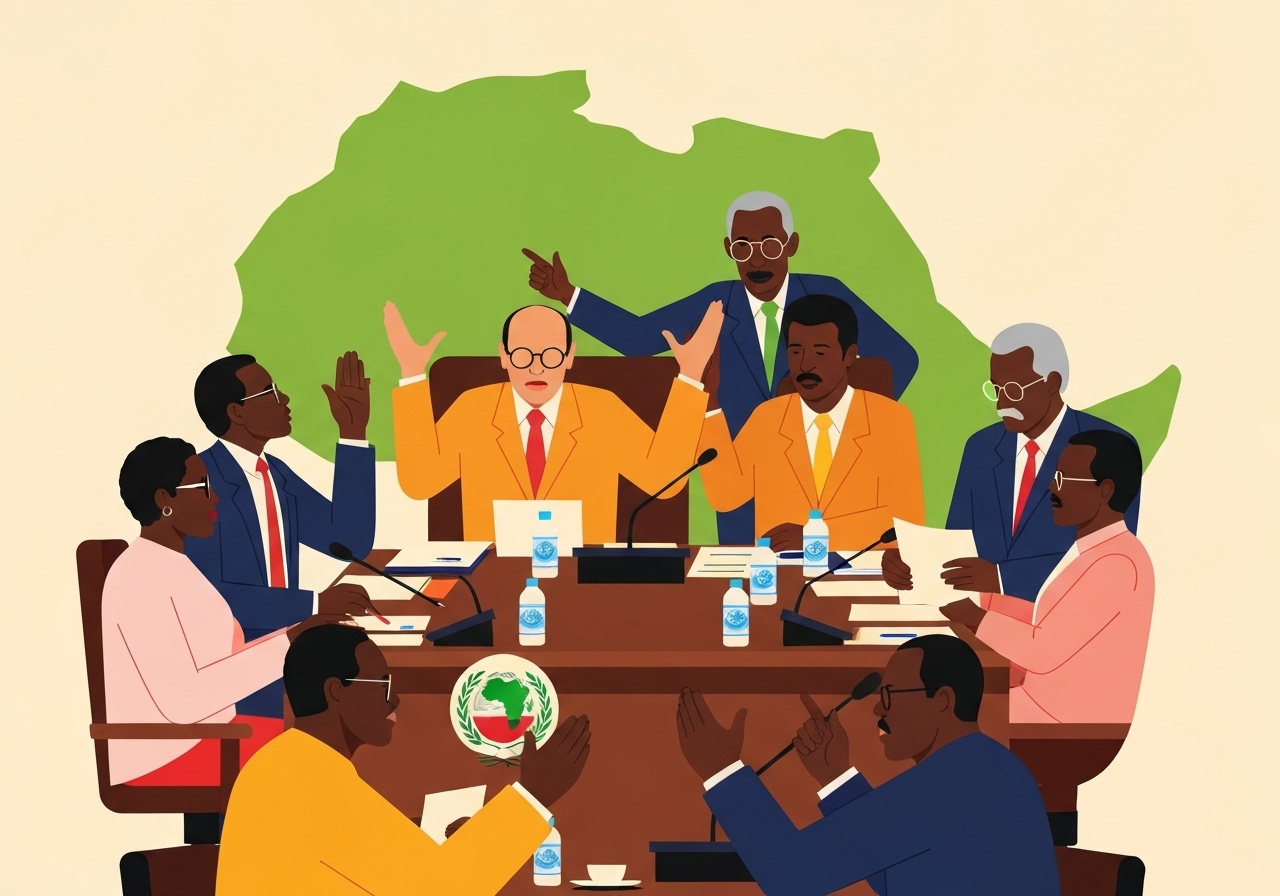
Lead: On Dec. 27, 2025, African regional governance bodies publicly rejected Israel’s decision the previous day to recognize Somaliland as an independent state. Somaliland, a self-governing territory of more than 3 million people in the Horn of Africa that declared independence from Somalia in 1991, had not previously been recognized by any country. The African Union chairperson and East African bloc IGAD warned the move threatens Somalia’s sovereignty and regional stability. Somalia’s federal government called Israel’s action unlawful and reaffirmed that Somaliland remains part of the Federal Republic of Somalia.
Key Takeaways
- Israel formally recognized Somaliland on Dec. 26, 2025, making it the first country to do so; Somaliland’s population exceeds 3 million and it declared independence in 1991.
- The African Union chairperson Mahmoud Ali Youssouf said the AU commission “firmly rejects” recognition and warned such steps risk continental peace and stability.
- Somalia’s federal government labeled the Israeli recognition unlawful and reiterated that Somaliland is integral to Somalia’s sovereign territory.
- IGAD stated that any unilateral recognition contravenes the U.N. Charter, the AU Constitutive Act, and the agreement establishing IGAD.
- Egypt’s foreign ministry also rejected Israel’s move, publicly stressing support for Somalia’s territorial integrity amid its mediation role in the Israel–Hamas war.
- Israeli officials say Prime Minister Benjamin Netanyahu, Foreign Minister Gideon Saar and Somaliland President Abdirahman Mohamed Abdullahi signed a joint declaration invoking the Abraham Accords.
- Reports earlier in 2025 said Israel had explored whether Somaliland could host some Palestinians from Gaza under a U.S. plan then promoted by Donald Trump; the U.S. later dropped that proposal.
Background
Somaliland separated from Somalia in 1991 after the collapse of the Somali central government and the outbreak of civil war. Since then it has operated with its own government, institutions and currency, but has remained unrecognized by the international community until Israel’s announcement. Recognition of breakaway territories in Africa is highly sensitive: the AU and most African governments uphold principles of territorial integrity to avoid encouraging secessionist movements across the continent.
The Abraham Accords, launched in 2020, normalized ties between Israel and several Arab and Muslim-majority states and shifted parts of Middle East diplomacy toward bilateral arrangements. Israel’s outreach to Somaliland this year was reported in connection with a U.S. proposal to resettle some people displaced from Gaza; that plan was tied to former U.S. President Donald Trump’s agenda and has since been abandoned by Washington. The timing of Israel’s recognition, against the backdrop of the Israel–Hamas war and wider regional tensions, heightened concerns among African and Arab officials.
Main Event
On Friday, Dec. 26, 2025, Israel’s government announced recognition of Somaliland and said Prime Minister Benjamin Netanyahu, Foreign Minister Gideon Saar and Somaliland President Abdirahman Mohamed Abdullahi had signed a joint declaration “in the spirit of the Abraham Accords.” Israeli officials framed the step as a diplomatic breakthrough and a formal opening of ties between Jerusalem and Hargeisa.
African regional bodies moved quickly. The African Union commission, led by Chairperson Mahmoud Ali Youssouf, released a statement on Saturday rejecting any initiative to recognize Somaliland and reiterating that the territory remains part of the Federal Republic of Somalia. IGAD issued its own statement the same day, citing international law and regional agreements that recognize Somalia’s sovereignty.
Somalia’s federal government condemned Israel’s action as unlawful and demanded reversal of the recognition, saying it undermines Somalia’s territorial integrity. Egypt’s foreign ministry likewise posted rejection on social media and emphasized support for Somalia, a position tied to Cairo’s broader role in mediating the Israel–Hamas war and maintaining regional stability.
Analysis & Implications
Politically, Israel’s recognition sets a precedent that could complicate continental unity on territorial questions; the AU and IGAD place high value on non-interference and state sovereignty to prevent further fragmentation. African governments fear that one-off recognitions may encourage other secessionist claims and weaken regional mechanisms designed to manage disputes. The swift pushback from the AU, IGAD and key regional states like Egypt signals a coordinated defense of existing borders.
For Somalia, the recognition risks internal and diplomatic strains. Mogadishu’s rejection is likely to harden its stance toward both Israel and any states that might follow, possibly triggering diplomatic reprisals or a re-evaluation of security and aid relationships. Somaliland’s leadership, which has long sought recognition, may gain short-term international visibility but faces isolation from its regional neighbors and potential economic or political costs.
For Israel, the move reflects a willingness to pursue unconventional diplomatic openings tied to the Abraham Accords framework. It may yield bilateral economic or security arrangements with Somaliland, but it also exposes Israel to criticism from Arab and African partners and could complicate its relations with countries engaged in mediating the Gaza conflict. The abandoned U.S. proposal to resettle Palestinians in Somaliland—reported earlier this year—illustrates the diplomatic complexity and humanitarian sensitivities connected to the recognition.
Comparison & Data
| Item | Detail |
|---|---|
| Declared independence | 1991 |
| Population (approx.) | More than 3 million |
| International recognition before Dec. 26, 2025 | 0 states |
| First formal recognition | Israel — Dec. 26, 2025 |
The table summarizes core facts: Somaliland has functioned with effective self-rule since 1991 but remained diplomatically unrecognized until Israel’s announcement on Dec. 26, 2025. That single recognition alters the diplomatic record but, as regional bodies emphasize, does not change Somalia’s standing under prevailing international and regional law.
Reactions & Quotes
The African Union and regional blocs framed the recognition as a threat to continental norms. Their statements were succinct and categorical, designed to signal a unified stance to both African capitals and global powers.
“The commission firmly rejects any initiative or action aimed at recognizing Somaliland as an independent entity.”
Mahmoud Ali Youssouf, African Union Chairperson (official statement)
The AU chair’s language underscored the commission’s view that unilateral recognitions undermine peace and stability. AU officials said the comments reflect binding principles in the AU Constitutive Act and the body’s long-standing posture on borders inherited at independence.
“I’ll communicate to President Trump your willingness and desire to join the Abraham Accords.”
Benjamin Netanyahu (video call with Somaliland president)
Netanyahu’s brief remark was highlighted by Israeli officials to emphasize diplomatic intent and alignment with the Abraham Accords framework. Israeli sources framed the exchange as political support for opening relations, while critics pointed to the domestic and regional sensitivity of such a step.
“We’ll study it. I study a lot of things and always make great decisions and they turn out to be correct.”
Donald Trump (comment to the New York Post)
Former President Trump’s short comment to the New York Post signaled caution about joining Israel’s move; U.S. officials previously engaged on possible arrangements tied to Gaza resettlement have since stepped back from that plan. Washington’s final position will shape further diplomatic fallout.
Unconfirmed
- Whether Israel expected specific concessions or compensation from Somaliland in exchange for recognition has not been independently confirmed.
- Reports that Israel approached Somaliland earlier in 2025 about hosting displaced Palestinians have been reported but details and formal agreements have not been publicly verified.
- It is unclear whether any additional countries intend to follow Israel’s recognition or whether that recognition will prompt formal diplomatic changes beyond a single bilateral declaration.
Bottom Line
Israel’s Dec. 26 recognition of Somaliland marks a diplomatic first for Hargeisa but immediately provoked a serious regional backlash from the African Union, IGAD and neighboring states. Those institutions and governments defend Somalia’s territorial integrity under international and regional charters and view unilateral recognition as a destabilizing precedent. Somaliland’s push for international legitimacy gained visibility, yet the likely diplomatic cost—strained relations with African partners and possible isolation—remains significant.
Going forward, the most consequential questions are whether other states will recognize Somaliland, how Somalia will respond diplomatically or legally, and whether this episode will weaken norms the AU uses to prevent secession across Africa. Observers should watch next moves from key players—Somalia, regional blocs, Egypt and Washington—to understand whether the recognition will remain an isolated bilateral act or trigger a broader realignment.
Sources
- CBS News (news media; original report summarizing statements from AU, IGAD, Somalia and Israeli announcements)