
Lead
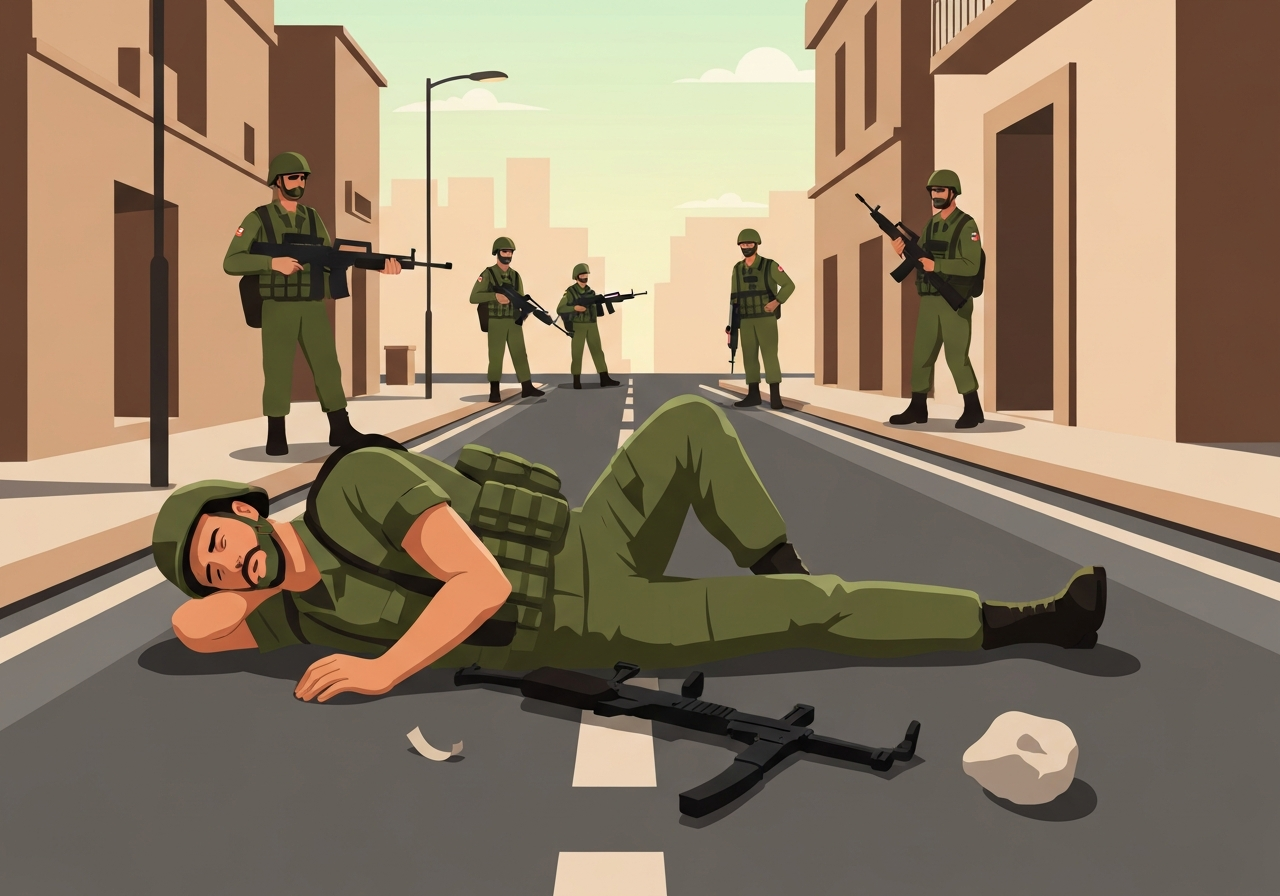
On Saturday morning, a U.N. peacekeeping patrol near the southern Lebanese village of Ghandouriyeh came under small-arms fire, killing one French peacekeeper and wounding three others, two seriously. France and the U.N. mission in southern Lebanon (UNIFIL) pointed to Hezbollah as responsible; the group denied involvement and urged patience until Lebanon’s military investigation concludes. The assault occurred after a 10-day ceasefire between Israel and Hezbollah took effect at midnight Thursday. French authorities identified the dead soldier as Staff Sgt. Florian Montorio of the 17th Parachute Engineer Regiment.
Key Takeaways
- One French peacekeeper was killed and three were wounded—two seriously—during a shooting near Ghandouriyeh on Saturday morning.
- The deceased was named as Staff Sgt. Florian Montorio of the 17th Parachute Engineer Regiment, based in Montauban.
- President Emmanuel Macron and UNIFIL blamed Hezbollah for the attack; Hezbollah denied responsibility and called for the Lebanese army’s inquiry to proceed.
- French Armed Forces Minister Catherine Vautrin said the soldier was ambushed while seeking to reopen a route to an isolated UNIFIL position.
- Lebanon’s Military Tribunal has opened an investigation and the Lebanese army said it is working to detain those responsible.
- The incident followed a 10-day ceasefire that began at midnight Thursday and comes amid a conflict that has killed nearly 2,300 people in Lebanon and displaced more than 1 million.
- Earlier Saturday the Israeli military reported strikes in southern Lebanon after alleging ceasefire violations, citing a newly referenced “Yellow Line.”
Background
The incident sits within a broader Israel–Hezbollah confrontation that escalated in March. The current round of cross-border violence intensified after regional strikes and retaliatory attacks involving Iran-aligned actors beginning March 2, contributing to a sharp rise in civilian and combatant casualties in Lebanon. According to compiled tallies, nearly 2,300 people have died in Lebanon in the fighting and more than 1 million people have been displaced, while large swaths of infrastructure have been damaged.
UNIFIL, the U.N. peacekeeping mission in southern Lebanon, has operated there since 1978 in various forms to monitor the border and support the Lebanese armed forces; its mandate and rules of engagement have come under renewed scrutiny as hostilities increased. France is a leading contributor of troops to UNIFIL and has repeatedly emphasized the need to protect peacekeepers after several incidents involving international personnel.
Main Event
UNIFIL reported that a patrol clearing explosive ordnance along a road in Ghandouriyeh to reestablish links with isolated UNIFIL positions was struck by small-arms fire from non-state actors. French officials said Staff Sgt. Montorio was ambushed while on a mission to open a route to a post that had been cut off by fighting. His comrades attempted to recover and evacuate him, but he succumbed to a direct gunshot wound.
French President Emmanuel Macron spoke with Lebanese President Joseph Aoun and Prime Minister Nawaf Salam to press for a rapid investigation and the arrest of those responsible, saying France expects Lebanese authorities to assume responsibility for UNIFIL safety. Defense Minister Catherine Vautrin described the incident as an ambush and confirmed the soldier’s identity. UNIFIL confirmed one fatality and three wounded, two seriously, and called for those responsible to be brought to justice.
In Beirut, three judicial officials said Lebanon’s Military Tribunal has opened an inquiry and is coordinating with the army’s intelligence branch to identify the attackers. The Lebanese army publicly condemned the attack and said it is coordinating closely with UNIFIL and working to detain the perpetrators. Hezbollah issued a denial of involvement and urged caution in assigning blame until the army completes its probe.
Analysis & Implications
The killing of a French peacekeeper risks widening diplomatic strain between France and elements in Lebanon, and it intensifies scrutiny of UNIFIL’s capacity to operate in a volatile security environment. France’s public attribution to Hezbollah, paired with Hezbollah’s denial, elevates pressure on Beirut to demonstrate effective investigative and law-enforcement capacity to prevent erosion of state authority in the south.
For UN peacekeeping policy, the incident underscores the hazards facing lightly armed missions in contested environments where multiple armed actors operate. Member states may revisit force protection measures, and contributors could adjust troop posture, patrol patterns, or rules of engagement—moves that could alter UNIFIL’s day-to-day presence on the ground.
Regionally, the attack adds a tense layer to the ceasefire’s fragility. Israeli statements earlier the same day about strikes in southern Lebanon and references to a so-called “Yellow Line” suggest differing interpretations of the truce’s geographic and operational limits, raising the prospect that localized clashes could quickly prompt reciprocal actions.
Comparison & Data
| Category | Figure |
|---|---|
| French peacekeepers killed (this incident) | 1 |
| French peacekeepers wounded | 3 (two seriously) |
| Reported Lebanese fatalities in conflict | Nearly 2,300 |
| Displaced in Lebanon | More than 1,000,000 |
| Recent French casualty (March 12, Iraq) | Chief Warrant Officer Arnaud Frion killed |
The table provides a snapshot of the incident within the wider human cost of the recent fighting. The single peacekeeper death is significant both symbolically and operationally because France is a principal UNIFIL contributor; cumulative Lebanese casualties and displacement figures highlight the scale of civilian suffering and infrastructural damage in the conflict.
Reactions & Quotes
French leadership publicly demanded clarity and accountability, urging Lebanon’s authorities to act swiftly. Macron framed the attack as a direct challenge to UN peacekeepers’ safety and to Lebanese sovereignty.
“Everything suggests that responsibility for this attack lies with Hezbollah. France demands that the Lebanese authorities immediately arrest those responsible and assume their responsibilities alongside UNIFIL.”
Emmanuel Macron (via social media; French Presidency)
The French defense ministry and UNIFIL described the tactical circumstances: an ambush on a patrol seeking to relieve isolated positions. Lebanon’s institutions announced an investigation while Hezbollah urged restraint in assigning blame.
“The Lebanese army will continue its close coordination with UNIFIL and is working to detain the perpetrators.”
Lebanese Armed Forces (official statement)
Hezbollah’s leadership denied involvement and highlighted past instances when UNIFIL was struck by Israeli operations, calling for joint coordination in operations.
“We call for caution in making accusations until the Lebanese army completes its investigation and determines the full circumstances.”
Hezbollah (official statement)
Unconfirmed
- Definitive attribution of the shooting to Hezbollah remains under formal investigation; Hezbollah denies involvement and the Lebanese probe is ongoing.
- The Israeli military’s reference to a “Yellow Line” does not appear in the public ceasefire agreement text and its legal status in the truce is not confirmed.
- Any reported claims that senior Iranian leaders were killed in related strikes are inconsistent with reliable accounts and should be treated as unverified or erroneous.
Bottom Line
The killing of Staff Sgt. Florian Montorio marks a serious escalation in the risks faced by international peacekeepers in southern Lebanon and tests the ability of Lebanese authorities, UNIFIL and contributing nations to prevent further attacks. Rapid, transparent progress in the Lebanese military investigation and arrests of perpetrators would be needed to defuse immediate diplomatic tensions and restore confidence in UNIFIL’s operations.
Absent clear accountability, the incident could prompt France and other contributors to reassess force protection and engagement in UNIFIL, while also raising the chance of retaliatory or preventive actions by the parties involved. Observers should watch Lebanese investigative results, any shifts in UNIFIL posture, and separate military moves by Israel or Hezbollah that could widen the confrontation.