
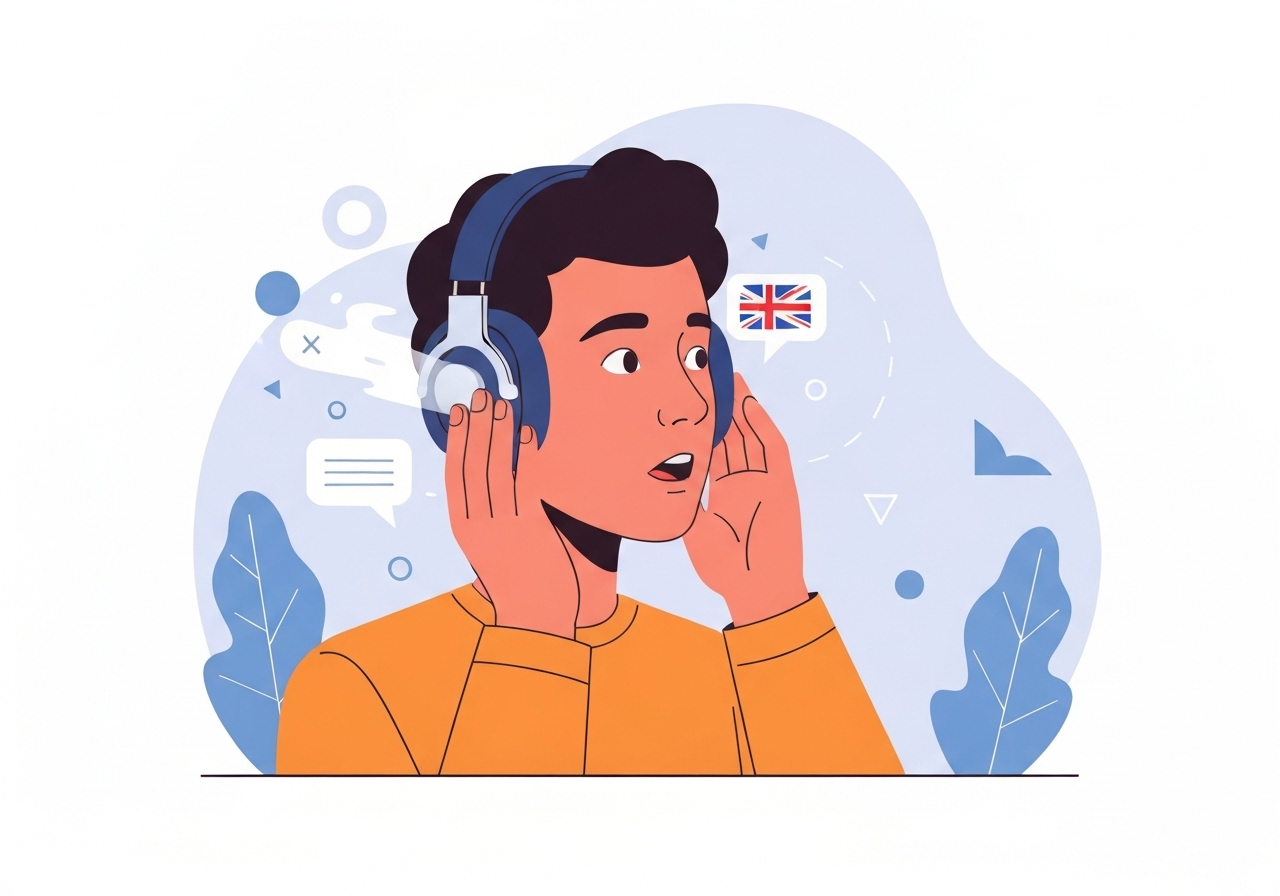
Google has expanded its live speech-to-speech translation so that it can stream through any compatible headphones, moving the capability beyond Pixel Buds. The rollout begins today in beta on Android devices in the United States, Mexico and India, supporting more than 70 languages. The update also includes improved text translations powered by Gemini and an expanded Practice feature for language learners in 20 additional countries. Apple’s comparable feature still requires AirPods, while Google’s approach needs only a compatible Android phone running the Translate app.
Key Takeaways
- Live speech-to-speech translation is now compatible with any headphones connected to a supported Android phone, launching in beta today in the US, Mexico and India.
- The feature supports over 70 languages for real-time vocal translation and will arrive on iOS’s Translate app next year.
- Text translation quality is improved using Gemini, with better handling of idioms and slang such as “stealing my thunder.”
- Practice — an AI-driven learning mode added in August — is expanding to 20 more countries and adding additional languages.
- Unlike Apple’s implementation, Google’s live translation does not require specific earbuds, only a compatible Android device and the Translate app.
Background
Real-time, on-device translation has been a focus for major platform vendors as mobile use and cross-border travel grow. Google first introduced simultaneous translation features tied to its Pixel Buds, positioning the earbuds as a showcase for Translate’s live audio capabilities. That accessory-dependent model limited who could use the feature and created a natural incentive for Google to broaden support to third-party headphones.
Language services have also moved toward AI-driven improvements in recent years to handle subtler forms of speech: idioms, slang and context-dependent phrases. Google’s Translate app has repeatedly been updated with models to reduce literal mistranslations, and Google’s new Gemini models are being used to refine outputs. Separately, integrated learning features like Practice reflect a trend of embedding micro-learning tools directly in utility apps rather than forcing users to adopt separate language apps.
Main Event
The headline change announced today is that live speech translation previously limited to Pixel Buds is now available for any headphones paired with a compatible Android phone running the Translate app. Users can initiate a live conversation mode that captures spoken input, translates it, and routes the audio through the paired headphones in near real time. The initial beta is geographically limited to the United States, Mexico and India on Android; Google plans to bring the same capability to the iOS Translate app sometime next year.
Google also pushed improved text translation updates simultaneously. Using its Gemini models, Translate will now better interpret and render non-literal language — phrases that carry idiomatic meaning rather than a literal word-for-word sense. The Verge highlighted an example such as “stealing my thunder” to illustrate how the AI now produces contextually appropriate equivalents in target languages rather than literal translations that can confuse meaning.
Practice, the conversational learning tool introduced as a beta in August, is being extended to 20 additional countries and gains support for more target languages. The Practice feature generates tailored exercises — vocabulary drills and listening comprehension tasks — adjusted to a user’s self-reported skill level and recent performance. Google notes the Practice mode remains in beta and may not be available to every account immediately.
Analysis & Implications
Making live translation device-agnostic lowers the barrier to everyday cross-language conversation. Requiring only a compatible Android phone and a pair of headphones expands potential reach from Pixel Buds owners to millions of consumers with third-party earbuds, wired headsets or headphones. That shift increases Translate’s utility for travel, customer service, and ad-hoc multilingual encounters, and could pressure competitors to loosen device restrictions.
Using Gemini to improve idioms and slang addresses a longstanding weakness of machine translation: context-sensitive meaning. Better handling of non-literal speech reduces misunderstandings in informal or idiomatic exchanges, which are commonplace in daily conversation. For businesses relying on translation in customer-facing roles, improved fidelity can lower friction and miscommunication costs.
The Practice feature’s expansion is significant because it aims to convert utility-app users into repeat learners, increasing engagement with Translate beyond one-off tasks. By combining micro-learning inside the translation app, Google is positioning Translate not only as a tool but also as a platform for sustained language learning. If Practice proves sticky, it could alter user habits and reduce demand for standalone learning apps.
Comparison & Data
| Feature | Before | Now |
|---|---|---|
| Headphone requirement | Pixel Buds only | Any compatible headphones via Android phone |
| Language support (live speech) | Limited set at launch | Over 70 languages |
| Geographic rollout (live speech) | Pixel-focused availability | Beta in US, Mexico, India (Android); iOS next year) |
The table highlights the move from a hardware-tethered feature to a phone-centric model that broadens access. The country rollout suggests Google is prioritizing large English- and Spanish-speaking markets plus India’s diverse language ecosystem for initial testing. Exact latency metrics and per-language parity were not disclosed in today’s announcement.
Reactions & Quotes
Google framed the change as a step to make conversational translation more accessible. The company emphasized broader compatibility and AI improvements while noting the staged geographic rollout.
“Live speech-to-speech translation is now compatible with any headphones connected to a supported Android phone,”
Google (official announcement)
Independent tech coverage framed the rollout as a meaningful usability win relative to rival implementations tied to specific earbuds. Observers noted the significance of Gemini’s involvement for subtler translation tasks.
“Expanding beyond proprietary earbuds makes the feature useful to far more people,”
The Verge (technology reporting)
User sentiment on social channels has been mixed where visible: many praised the wider compatibility and language count, while others sought clarity on latency and iOS timing. Early testers highlighted naturalness improvements but requested clearer documentation on which exact languages and dialects receive parity.
Unconfirmed
- Precise iOS release date beyond “next year” has not been provided and remains unspecified by Google.
- Per-language parity for live speech and Practice features is not fully documented; some languages may launch later than others.
- Latency and on-device vs cloud processing details for specific phones and headphone models were not disclosed in the announcement.
Bottom Line
Google’s update removes a practical limitation by decoupling live speech translation from specific earbuds, potentially putting real-time conversation tools into the hands of many more users. Improved text translations via Gemini and an expanded Practice mode together suggest Google is moving Translate toward a combined utility-and-learning platform rather than a one-off translator app.
For users, the immediate value is broader access: anyone with a compatible Android phone and headphones in the beta regions can test live speech translations today. For competitors and enterprise customers, the change raises expectations for device-agnostic features and better contextual translation, and it signals a likely acceleration in product iterations across platforms through next year.
Sources
- The Verge — tech media (report)
- Google Blog — official Google blog (official)