
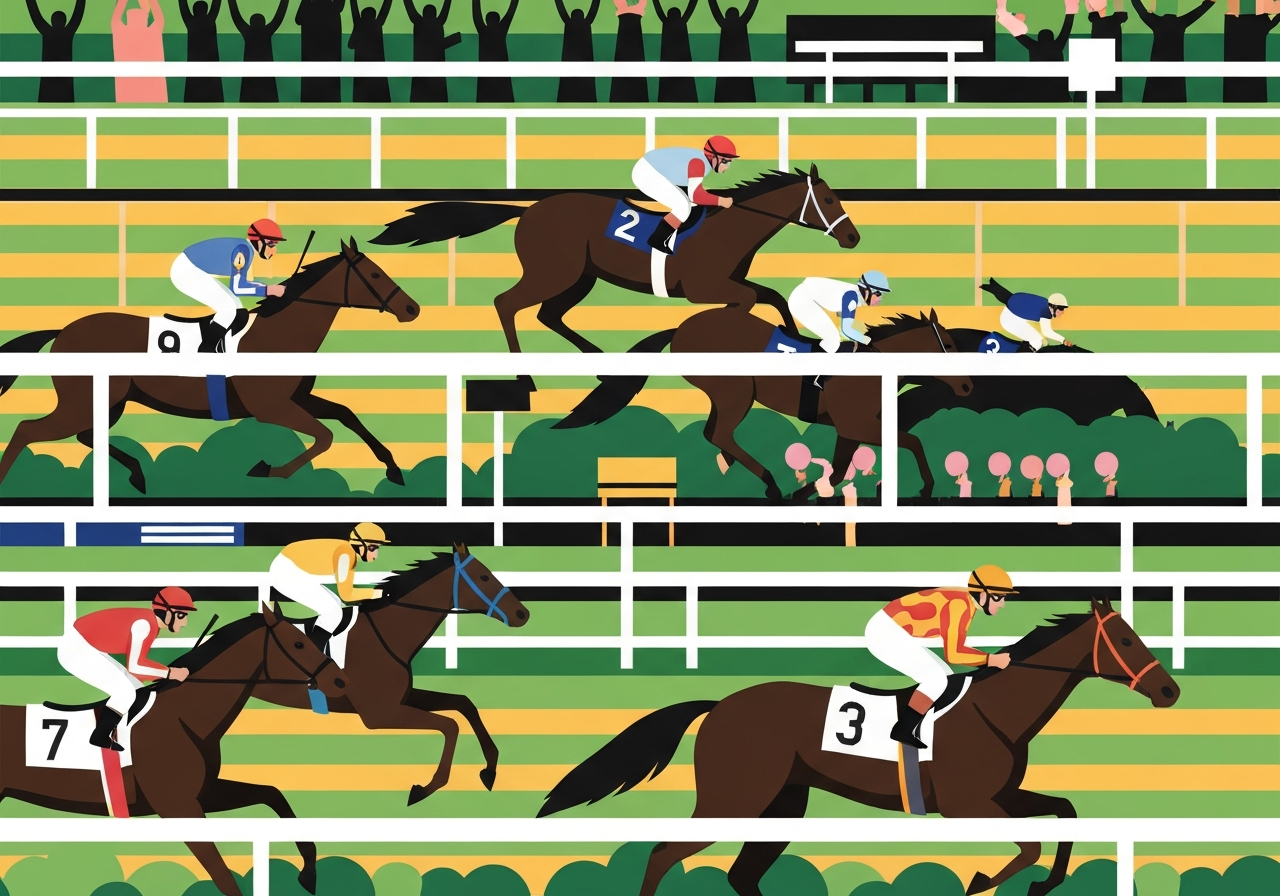
The 152nd Kentucky Derby arrives at Churchill Downs on May 2, 2026, with post time set for approximately 6:57 p.m. ET. Fans, trainers and bettors converge as 3-year-old Thoroughbreds line up for the iconic 1 1/4-mile Run for the Roses; Renegade is the early favorite and will break from the No. 1 post under Irad Ortiz Jr. Several late scratches have reshaped the field and betting market, and a record $5 million purse — $3.1 million to the winner — raises the stakes for owners and jockeys. This live briefing collects the latest odds, scratches, weather outlook, betting integrity concerns and what to watch as the race approaches.
Key takeaways
- Event: 152nd Kentucky Derby at Churchill Downs in Louisville, Kentucky on May 2, 2026; scheduled post time ~6:57 p.m. ET.
- Favorite: Renegade (morning-line and early favorite), ridden by Irad Ortiz Jr., drew the No. 1 post — the first Derby winner from No. 1 was Ferdinand in 1986.
- Field changes: Multiple scratches (including The Puma, Silent Tactic, Fulleffort and Right to Party) produced replacements such as Robusta, Great White and Ocelli and altered the final lineup.
- Purse: Record $5 million total purse; winner receives $3.1 million, runner-up $1 million, with the winning jockey earning about $310,000.
- Odds and market: Several single-digit contenders include Renegade, Commandment, So Happy, Further Ado and Chief Wallabee; bettors are watching last-minute swings tied to high-frequency syndicates.
- Betting integrity issue: CAWs (Computer-Assisted Wagering syndicates) are under legal scrutiny for rapid large wagers that can move late odds and affect retail bettors.
- Weather: Forecast expects temperatures near 58°F at post time with a 32% chance of rain earlier in the day; conditions are not expected to be severely disruptive but remain a variable.
Background
The Kentucky Derby is the first leg of the Triple Crown and one of the world’s most wagered and watched horse races. Established as the Run for the Roses, this 152nd edition remains a marquee spring sporting event that combines sport, fashion and large-scale wagering at Churchill Downs. In recent years the Derby purse was raised — the current $5 million total reflects a $2 million increase that began in 2024 after expanded gaming revenues and investment by Churchill Downs Incorporated.
Qualification for the Derby comes via a points system on the Road to the Kentucky Derby; trainers and owners carefully select prep races to accumulate points and time a horse’s peak for early May. Post positions and draw day can materially affect a horse’s trip in a 20-horse field, and connections often stress both tactical speed and closing ability when planning a Derby strategy. The No. 1 post has historically been a challenging assignment at Churchill Downs; statistical winners from inside posts are rarer than from middle draws.
Main event — pre-race developments
In the hours leading up to the race, several notable scratches reshaped the betting and running plan for many contenders. The Puma, previously viewed as a top contender, was scratched Saturday morning; Silent Tactic and Fulleffort were scratched earlier for soundness issues, promoting alternates such as Great White, Ocelli and Robusta into the field. Trainers cited typical pre-race health checks — a minor foot bruise for Silent Tactic (per trainer Mark Casse) and a chipped ankle for Fulleffort — as reasons to remove horses rather than risk long-term damage.
Renegade enters as the headline contender after recent graded stakes wins, most notably the Arkansas Derby and Sam F. Davis, and drew the No. 1 post with Irad Ortiz Jr. aboard. That combination makes him the wagering favorite in many books despite the historically unfavorable inside draw. Other horses receiving meaningful attention from bettors include Commandment, So Happy, Further Ado and Chief Wallabee; each carries question marks on pace, stamina or consistency that handicappers debated publicly all week.
Betting dynamics have also been altered by the presence of high-volume professional syndicates using algorithmic strategies — often called CAWs — which submit large blocks of wagers in short windows and can shift lines late. That practice has prompted a class-action suit and vocal criticism within the sport for creating an uneven playing field between institutional players and ordinary bettors. Track and regulatory responses are evolving, with some jurisdictions restricting third-party order entry or imposing timing limits on electronic submissions.
Analysis & implications
Racing strategy for the Derby typically hinges on pace shape and traffic; with a deep field, speed horses can force a fast early tempo that benefits deep closers, while tactical speed tucked close to the rail can make for a favorable trip. Renegade’s inside draw against his running style requires a clean break and the ability to avoid being boxed in, which could make his trip more complicated than raw form suggests. Connections of mid-pack and closer types (Further Ado, Emerging Market) will emphasize conserving energy early and timing a late run in the stretch.
The purse increase to $5 million materially raises the economic stakes for owners, breeders and trainers. A Derby winner not only collects a large share of purse money but also secures breeding value and future stud fees that can exceed race earnings by orders of magnitude. Consequently, owner decisions about running or withdrawing a horse often balance short-term reward against long-term breeding and health considerations — a likely factor behind recent pre-race scratches.
On the wagering side, CAWs and synchronized large-ticket activity present regulatory and integrity challenges. If a stable of professional bettors can materially change odds right before post time, retail bettors risk unfavorable late-line moves after placing earlier wagers. Regulators may face pressure to tighten entry protocols or require disclosure and timing changes to protect ordinary bettors, which could reshape pari-mutuel markets in the medium term.
Comparison & data
| Year | Winner | Closing odds |
|---|---|---|
| 2025 | Sovereignty | 7-1 |
| 2024 | Mystik Dan | 18-1 |
| 2023 | Mage | 15-1 |
| 2022 | Rich Strike | 80-1 |
| 2021 | Mandaloun | 26-1 |
| 2020 | Authentic | 8-1 |
Those recent winners demonstrate Derby unpredictability: longshots have prevailed in multiple recent editions, including Rich Strike (80-1) in 2022 and Mystik Dan at 18-1 in 2024. That history supports a wagering approach that balances respect for top contenders with yield-seeking exotic tickets that include mid-range and late-running horses. Handicappers should weigh pace projections, stamina for 1 1/4 miles, trainer/jockey Derby experience and post-position influence.
Reactions & quotes
“Silent Tactic had a minor foot bruise and we decided to point him toward the Preakness,”
Mark Casse, trainer (as reported to Daily Racing Form)
Context: Casse removed a horse who had generated Derby buzz after consulting veterinary staff and prioritizing a campaign that includes the Preakness Stakes on May 16.
“The CAWs can move the market in seconds, and it’s frustrating for retail bettors,”
Industry analyst (paraphrased)
Context: Public commentary from handicappers and industry insiders highlights concern over late bulk wagering by professionally capitalized syndicates. That criticism underlies ongoing litigation and regulatory conversations.
Unconfirmed
- Reports that CAWs altered closing odds for specific individual bets in this Derby remain part of an active legal and regulatory review and have not been fully adjudicated.
- Simulated race outcomes produced by AI models (such as the Claude simulation circulated pre-race) are hypothetical scenarios and not predictive of actual race results.
- Weather forecasts can change; while current models show clearing by post time, unexpected afternoon storms could still affect track conditions and outcomes.
Bottom line
The 2026 Kentucky Derby presents a blend of expected favorites and deep longshot potential, shaped late by scratches, post-position dynamics and market movement. Renegade heads into the race with strong recent form but will face tactical challenges from the inside post and a crowded field. Bettors should weigh the increased purse incentives, trainer intentions and pace projections rather than relying solely on morning-line odds.
On the broader stage, the Derby weekend highlights pressing issues for racing: how to balance lucrative professional wagering and market efficiency with fairness for everyday bettors, and how to protect equine health amid intense scheduling pressures. Expect regulatory and industry conversations to continue after the race, especially if late wagering remains contentious or if a high-profile soundness issue emerges.