
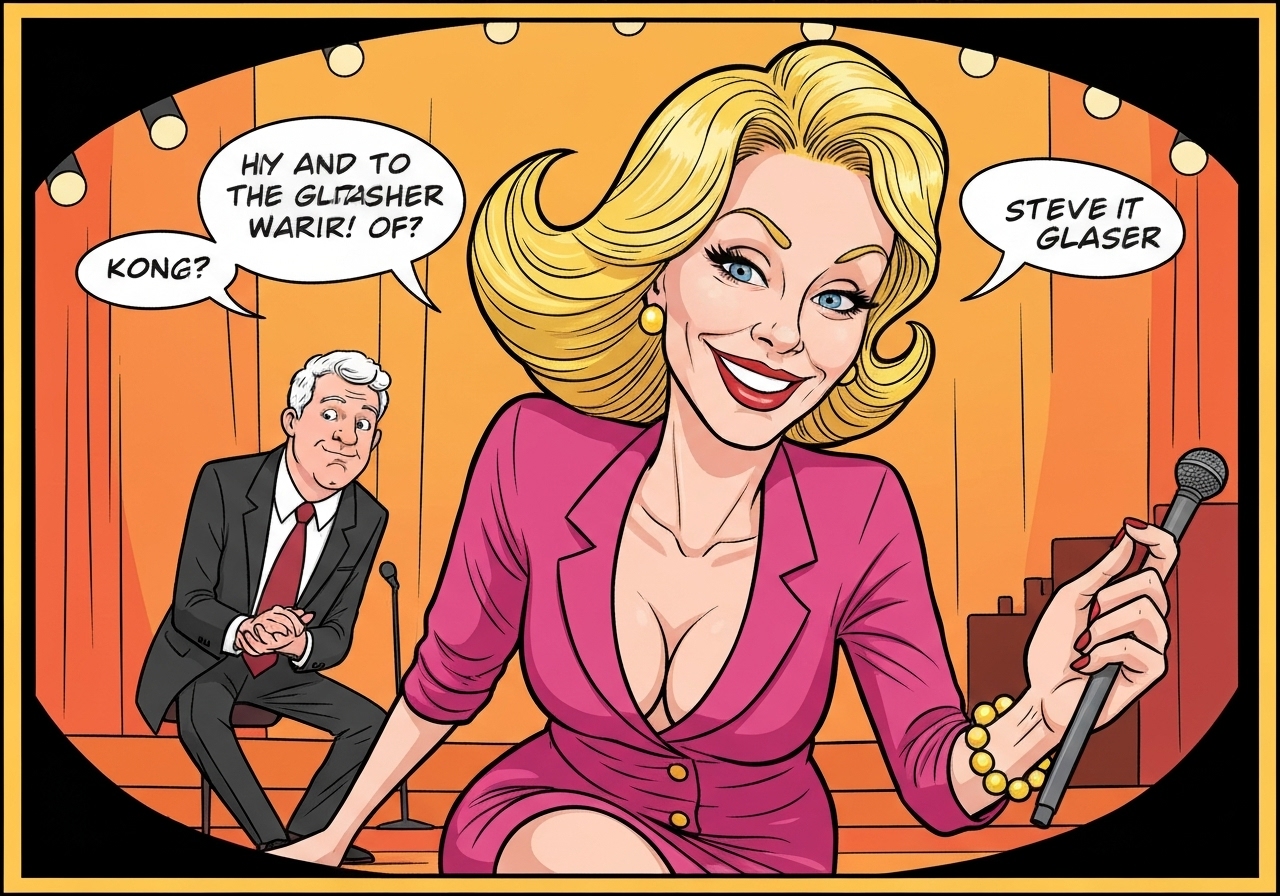
Nikki Glaser, preparing to return as host of the 83rd Golden Globes on Sunday, Jan. 11, says veteran comic Steve Martin sent her a joke to use — then asked that she not tell it because it went “too far.” The exchange, relayed by Glaser in an interview published Jan. 6, 2026, came as she sought material from peers while finalizing her monologue and stage plan for the CBS/Paramount+ broadcast. Martin is also a nominee at this year’s ceremony for Best Performance by an Actor in a Television Series — Musical or Comedy, for Only Murders in the Building. Entertainment Weekly and other outlets have reported the anecdote while noting the organizers’ show date and Glaser’s status as a repeat host.
- Host: Nikki Glaser will emcee the 83rd Golden Globes on Jan. 11, 2026, airing at 8 p.m. ET / 5 p.m. PT on CBS and Paramount+.
- Joke exchange: Steve Martin sent a joke to Glaser via a writer, then asked that it be pulled, telling her it was “too far.”
- Nominee status: Martin is nominated for Best Performance by an Actor in a Television Series — Musical or Comedy for Only Murders in the Building.
- Preparation: Glaser said she has been watching many nominated films and series but has not seen everything; she named titles she’s still catching up on.
- Hosting approach: Glaser told interviewers she crafts a softer, self-deprecating opening as a less widely known host, contrasting it with her edgier past sets.
- Peer input: Glaser reported seeking notes from experienced hosts and industry veterans, including Judd Apatow.
Background
The Golden Globes, produced by the Hollywood Foreign Press Association and broadcast on CBS with streaming on Paramount+, return for their 83rd ceremony on Jan. 11, 2026. After a 2025 edition hosted by Glaser, organizers invited her back for a consecutive year, a choice that signals confidence in her capacity to carry a high-profile, live awards show while balancing humor and a broad telecast audience. Hosts routinely solicit material, notes and one-liners from fellow comedians, writers and past emcees; such exchanges are common in awards-season preparation and sometimes result in jokes being adapted or discarded as writers and performers assess risk and tone.
Steve Martin’s dual role this year — both a comic institution and a nominee for a leading TV role — adds nuance to the interaction. As a respected elder figure in American comedy, Martin’s input carries weight; when he advised Glaser to shelve a specific line, she said she agreed with the judgment. The anecdote illustrates the informal checks comedians place on one another in a televised, awards-season context where jokes can affect peers, nominees and networks’ broader reputations.
Main Event
Glaser described the sequence in an interview published Jan. 6, 2026: she said a joke arrived via one of her writers from Steve Martin and that she initially liked the bit, but Martin later messaged that she should not tell it because it crossed a line. The comedian characterized the retreat as an example of peers collaborating and self-policing material before it reaches a global audience. Glaser also noted turning to other industry veterans, saying she’d asked Judd Apatow for notes after seeing him at a recent show, though Apatow had little to offer that night.
Beyond the joke incident, Glaser spoke about how hosting a second year alters the responsibilities and permissible tone for a presenter. She told interviewers she intends to open in a more self-effacing register than in some of her more aggressive stand-up work, reasoning that an awards-audience may react poorly if she immediately adopts a sharper, roast-like posture. She also acknowledged practical limits on viewing every nominated film and series, naming a few titles she’d prioritized and others she still planned to watch ahead of the telecast.
The exchange with Martin drew attention because it pairs a contemporary awards-night anecdote with the career profile of a high-profile nominee. Entertainment outlets have circulated Glaser’s report while noting that Glaser and Martin occupy different public positions this awards season: Glaser as returning host, Martin as both a contributor to the comedy community and a nominee in a top acting category.
Analysis & Implications
The anecdote underscores the heightened sensitivity around awards-night humor in an era of instantaneous social media reaction. A joke that might have played in a club setting can have very different consequences on live television, where networks, producers and public figures weigh reputational risk. When an established figure like Martin advises against a line, it demonstrates an internal precaution that aims to avoid controversy and protect nominees’ and the show’s standing.
For Glaser, the incident illustrates the balance a host must strike between originality and caution. Returning hosts carry audience expectations shaped by their prior appearance; Glaser has said she will temper her set to be more accessible to viewers who may not know her work. That strategic moderation can preserve the show’s tone while still allowing room for pointed jokes later in the evening when the audience is warmed up and context is clearer.
Commercially and culturally, awards shows continue to confront skepticism about relevance and viewership. High-profile missteps or viral controversies can amplify critique and accelerate calls for format changes. Producers and talent are therefore incentivized to self-edit; this informal gatekeeping, as reflected in Glaser’s anecdote, may become more visible in press cycles even as it reduces the likelihood of on-air incidents.
Comparison & Data
| Host | Year | Notable context |
|---|---|---|
| Nikki Glaser | 2025–2026 | Returning host; watched many nominations; sought peer notes |
| Steve Martin | 2026 | Nominee (Only Murders in the Building); offered then withdrew a joke |
The table above places the Glaser–Martin exchange in a simple timeline: Glaser as the emcee for two consecutive ceremonies and Martin as a nominee who also advised on material. In the wider awards ecosystem, hosts increasingly rely on writers and peer feedback; this pattern is consistent with production teams’ efforts to minimize live risks while preserving comedic impact.
Reactions & Quotes
Comedian and host Nikki Glaser framed the interaction as routine peer collaboration, saying she asked fellow comedians for input while preparing the show and accepted Martin’s second thought about the joke.
“Please send me any notes you have,”
Nikki Glaser, as recounted about asking peers for input
Glaser also relayed Martin’s judgment about the specific line, which he described as crossing a boundary.
“Actually, tell her: Don’t do that joke. That’s too far.”
Steve Martin, as relayed by Nikki Glaser
Entertainment outlets noted they had sought comment from Martin’s representatives; as of publication, no substantive public statement from Martin or the show’s producers expanding on the anecdote had been issued beyond Glaser’s account.
Unconfirmed
- Exact content of the joke Martin sent: Glaser declined to perform it and did not publish the text, so the joke’s wording remains undisclosed.
- Official comment from Martin’s team: Entertainment Weekly reported contacting Martin’s representative; as of the interview’s publication there was no additional public response clarifying intent or context.
Bottom Line
The exchange between Nikki Glaser and Steve Martin is a small but revealing snapshot of how contemporary awards shows are shaped behind the scenes. Veteran comics, writers and producers routinely vet material to avoid on-air controversies; when a figure of Martin’s stature advises against a line, hosts often follow that counsel to protect the show and its participants. For Glaser, the moment reinforced a cautious approach to hosting a major live broadcast while still finding space for distinctive comedic voice.
Audiences should watch the Jan. 11 telecast to see how Glaser balances self-deprecation, sharper jokes and the constraints of a live network event. The anecdote does not suggest substantive conflict between the performers — rather, it highlights an informal, precautionary culture among comedians and producers as awards shows navigate sensitivity, live reaction and the enduring pressure to remain both bold and measured.
Sources
- Entertainment Weekly — entertainment news report summarizing Glaser’s interview (media).
- The Hollywood Reporter — original interview source cited by coverage (media).
- Golden Globes / Hollywood Foreign Press Association — ceremony schedule and nominees (official).