
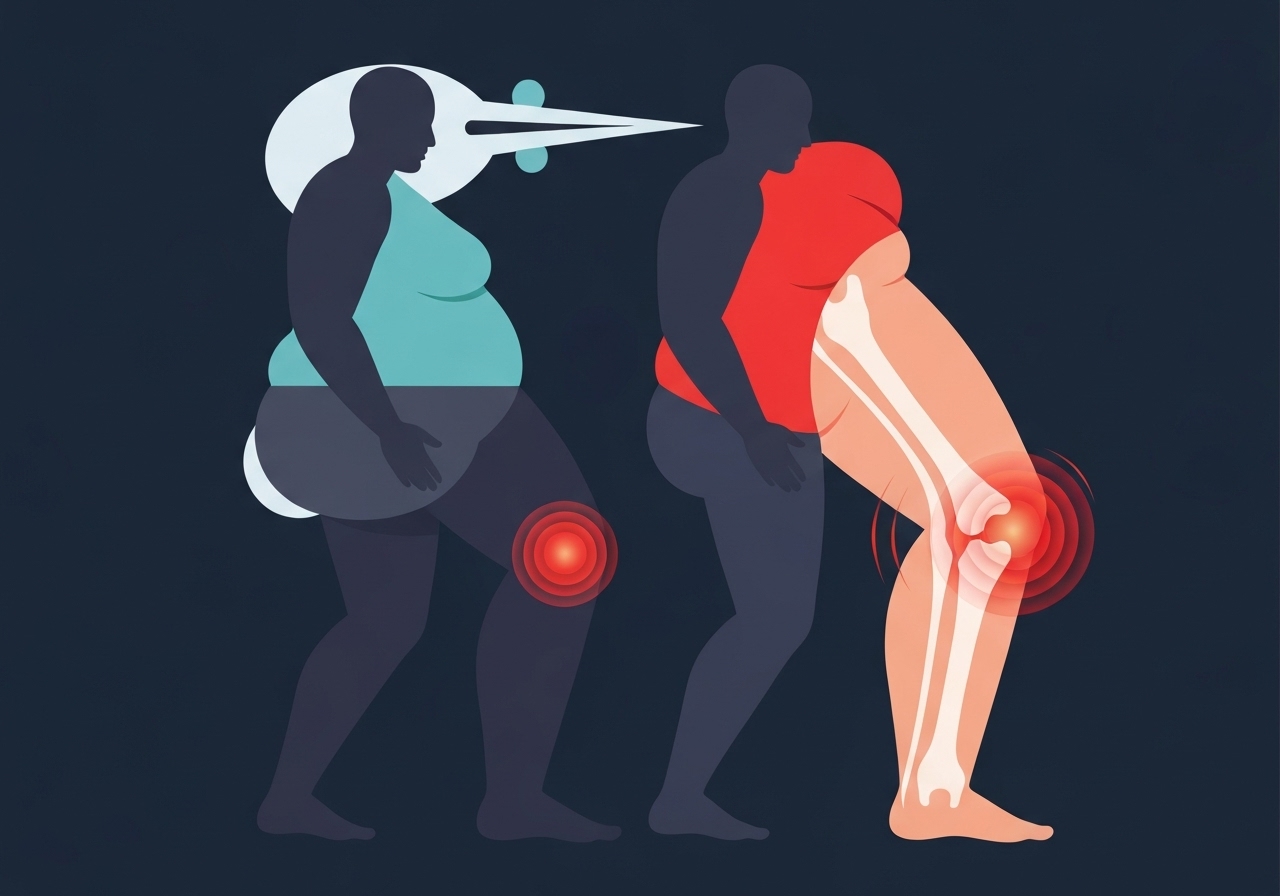
Lead: On Dec. 11, 2025, Eli Lilly reported results from a 68-week randomized trial showing its experimental drug retatrutide produced unprecedented weight loss and meaningful knee-pain relief in people with obesity and knee arthritis. In a trial of 445 participants, weekly injections of retatrutide at 12 mg yielded an average weight loss of 28.7 percent (about 71.2 pounds) and large reductions on the WOMAC knee-pain scale. The company compared these outcomes with existing treatments such as Zepbound and Wegovy in announcing the findings.
Key Takeaways
- Trial size and duration: 445 adults with obesity and knee osteoarthritis followed for 68 weeks in a randomized, placebo-controlled study.
- Top dose efficacy: The 12 mg weekly retatrutide arm averaged 28.7% weight loss, equal to about 71.2 pounds per participant.
- High responders: 23.7% of participants on 12 mg lost at least 35% of their initial body weight.
- Knee-pain improvement: Participants on 12 mg reported a 4.4-point drop on the WOMAC 0–10 pain scale (74.3% reduction); placebo saw a 2.4-point drop (40.3% reduction).
- Comparative context: The reported mean loss with retatrutide exceeds average losses cited for Zepbound (~21%) and Wegovy (~15%).
- Mechanism: Retatrutide is described as a next-generation, triple-hormone agonist targeting pathways implicated in appetite and metabolism.
- Commercial backdrop: Lilly already markets Mounjaro (diabetes) and Zepbound (weight loss) and reached a roughly $1 trillion valuation in November 2025.
Background
Over the past five years, incretin-based medicines that alter appetite and glucose regulation have reshaped treatment for obesity and diabetes. Companies including Eli Lilly and Novo Nordisk introduced compounds such as Mounjaro, Zepbound and Wegovy that produced sustained, clinically significant weight loss for many patients. Retatrutide is part of a newer class described as triple agonists: molecules designed to stimulate GLP-1, GIP and glucagon receptors simultaneously to amplify metabolic effects.
Weight loss often improves load-bearing joint pain, especially in the knee, where mechanical stress and inflammation are central to osteoarthritis symptoms. Clinical interest in combining metabolic and joint outcomes has grown because effective weight reduction may delay or reduce the need for joint replacement surgery, lower disability, and improve quality of life. Drugmakers are therefore testing dual benefits—bodyweight reduction alongside symptom relief—as part of product value propositions to regulators and payers.
Main Event
The trial randomized 445 adults who had both obesity and symptomatic knee osteoarthritis to weekly injections of retatrutide at either 9 mg or 12 mg, or to placebo. Participants were followed for 68 weeks, with weight change and patient-reported knee pain on the WOMAC scale among primary measures reported by the company on Dec. 11, 2025. Dosing was once weekly and outcomes reported were mean changes from baseline at study end.
At the higher 12 mg dose, average weight loss reached 28.7% of initial body weight—about 71.2 pounds per participant—results the company characterized as larger than those reported for currently marketed drugs. Nearly one-quarter (23.7%) of people on 12 mg lost at least 35% of their starting weight, an effect size rarely seen with authorized therapies to date.
Knee-pain assessments used the WOMAC instrument, which scores pain from 0 (none) to 10 (worst). Patients on 12 mg reported a 4.4-point reduction, equivalent to a 74.3% drop in reported pain; placebo participants reported a 2.4-point (40.3%) reduction. The report frames pain relief as clinically meaningful and suggests that much of the benefit may be mediated by weight loss, though pathways linking metabolic change and joint symptoms remain under study.
Analysis & Implications
If replicated and validated in larger, longer trials, retatrutide’s magnitude of weight loss would represent a step-change in pharmacologic obesity treatment. Larger average weight reductions can improve cardiometabolic risk factors, mobility and joint symptoms, but they also raise questions about long-term safety, the durability of effect after dose changes or discontinuation, and management of side effects. Regulators will weigh both efficacy and safety data when considering approval and labeling.
For orthopedics and rheumatology, a drug that simultaneously reduces weight and knee pain could alter treatment algorithms: earlier medical management of obesity might delay surgical referrals or change indications for joint replacement. Payers and health systems will confront cost-effectiveness questions—high per-patient drug costs could be offset by fewer surgeries, reduced disability and lower downstream healthcare utilization, but that balance requires robust economic modeling.
There are also market and manufacturing implications. Eli Lilly’s prior successes with Mounjaro and Zepbound helped propel the company’s valuation; an even more effective agent could intensify demand and exacerbate access challenges seen with earlier GLP-1 agents. Policymakers, clinicians and manufacturers must anticipate allocation, affordability and equitable access if regulatory approvals follow.
Comparison & Data
| Drug / Arm | Mean % Weight Loss | Average Pounds Lost |
|---|---|---|
| Retatrutide 12 mg (trial) | 28.7% | 71.2 lb |
| Zepbound (market average) | ~21% | — |
| Wegovy (market average) | ~15% | — |
The table places the new trial’s result in context: retatrutide’s reported mean loss exceeds typical averages for currently authorized therapies. Direct cross-trial comparisons have limits: patient populations, baseline weights, trial durations and protocols differ. Still, the numerical gap is large enough to warrant close attention from regulators, clinicians and payers.
Reactions & Quotes
“The magnitude of weight loss and knee-pain reduction reported is notable and merits independent peer review and confirmatory trials,”
Company statement / Eli Lilly
In announcing the results, Eli Lilly characterized the outcomes as significant for both obesity and symptomatic knee osteoarthritis; the company emphasized the size and duration of the effect while noting that data are from the completed trial.
“These findings are promising, but we need blinded, peer-reviewed publications and longer-term safety data to understand clinical implications,”
Independent obesity researcher (statement)
Independent clinicians and researchers welcomed the magnitude of the results but urged caution until full datasets and safety analyses are available. Patient groups responding publicly described hope about improved mobility but asked for clarity on side effects, costs and long-term benefits.
Unconfirmed
- Long-term durability: It is not yet confirmed whether weight loss will be sustained beyond 68 weeks if treatment continues or after treatment stops.
- Safety profile: Full safety and adverse-event data, including rare or delayed effects, have not been independently peer-reviewed in the public domain.
- Regulatory timeline: No final regulatory decisions or approvals were reported at the time of the company’s announcement.
- Generalizability: Whether similar weight and pain benefits will appear in broader or different patient populations (e.g., hip OA, patients without OA) is not yet established.
Bottom Line
Retatrutide’s trial results, as reported by Eli Lilly on Dec. 11, 2025, show unusually large average weight loss and substantial knee-pain reductions in a 68-week study of 445 people with obesity and knee osteoarthritis. If replicated and accompanied by a favorable safety profile, the drug could meaningfully change obesity care and offer an additional pathway to relieve joint symptoms through pharmacologic weight reduction.
However, reviewers and clinicians should await peer-reviewed publications, full safety datasets and regulatory assessments before altering practice. Equitable access, long-term effectiveness, and cost-benefit evaluations will determine how quickly—and for whom—these findings translate into routine care.
Sources
- The New York Times (news/media report summarizing company announcement)