
Lead
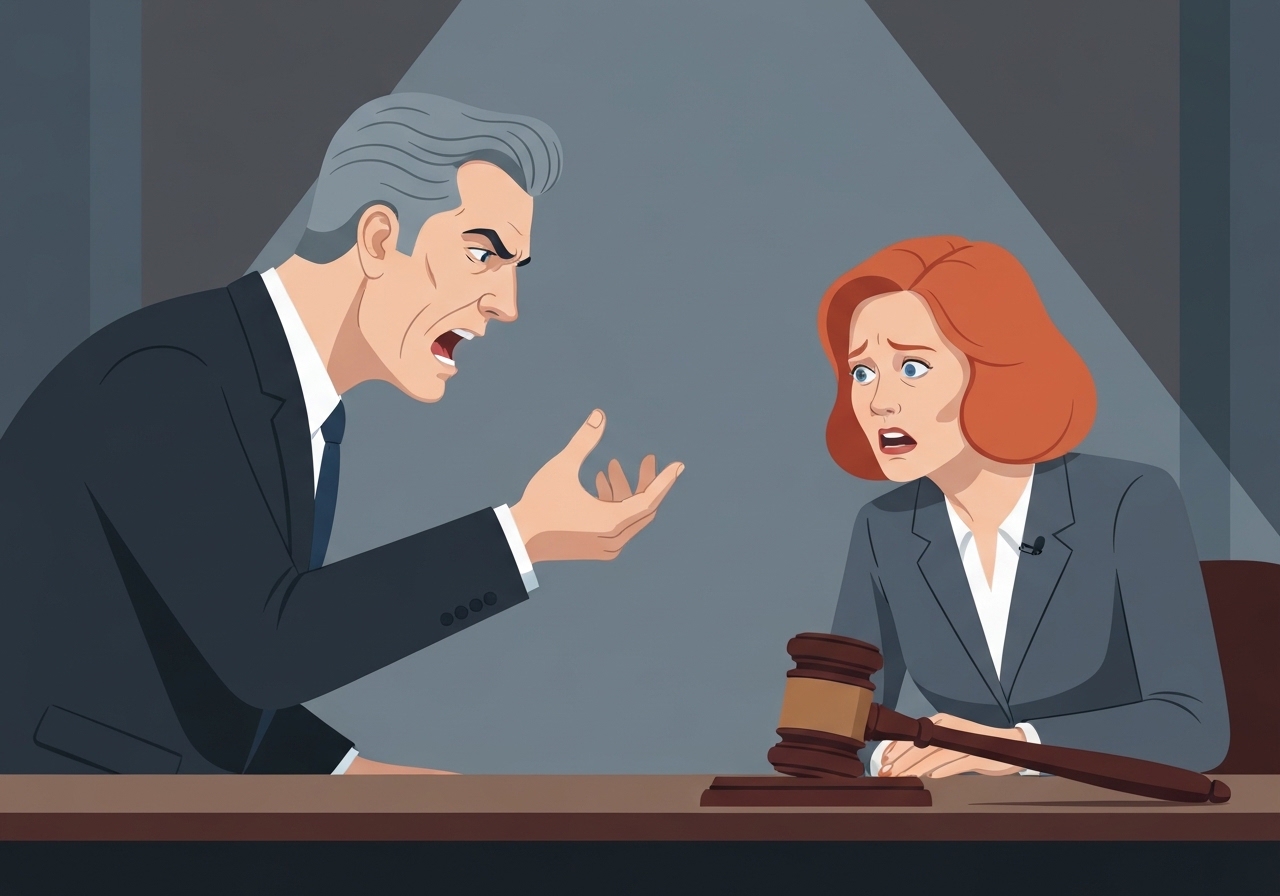
Karoline Leavitt, the White House press secretary, was recorded urging CBS to air a recent interview with President Donald Trump unedited and warning that the White House would pursue litigation if the network cut the footage. The exchange, revealed in an audio clip first reported by the New York Times, came during a post-interview conversation between Leavitt and CBS anchor Tony Dokoupil. The 13-minute interview aired on a Tuesday and CBS says it broadcast the segment in full. The moment reopened scrutiny about editorial independence at CBS amid ownership and management ties to figures close to the president.
Key Takeaways
- Karoline Leavitt told CBS anchor Tony Dokoupil that President Trump had instructed the network to air his interview in full, warning the network it would be sued if it edited the piece.
- The interview in question was a 13-minute exclusive that CBS aired unedited later the same evening, according to the network.
- The audio exchange was first reported by the New York Times and includes Dokoupil acknowledging he would air the interview and Leavitt repeating the alleged threat.
- CBS is now owned by Paramount Skydance, a company tied to David Ellison, whose family connection to Oracle founder Larry Ellison has been noted by observers as part of broader influence concerns.
- Paramount previously settled a dispute with Trump, agreeing to pay $16 million over editorial decisions involving a 60 Minutes segment, a fact cited in coverage that contextualizes current tensions.
- Bari Weiss, named editor-in-chief of CBS News in October, has faced public criticism for perceived friendliness toward the Trump administration, raising questions about newsroom independence.
- In the televised interview, Trump criticized Federal Reserve Chair Jerome Powell, commented on policy toward Iran, and defended an ICE agent involved in a fatal shooting in Minneapolis on 7 January.
Background
The dispute traces back to longstanding tensions between political figures and broadcast outlets over how interviews are edited and presented. Networks routinely edit long interviews for time and clarity, but high-profile political interviews have frequently become legal and reputational flashpoints. In a recent precedent, Paramount agreed to a $16 million settlement with Donald Trump over editing of a 60 Minutes segment, a case that underscored how editorial choices can prompt costly litigation threats.
CBS News has undergone significant leadership change since October, when Bari Weiss took the role of editor-in-chief after a career in opinion journalism and the founding of the conservative Free Press. That appointment, and Weiss’ subsequent decisions, have prompted internal and external debate over whether the network will preserve traditional newsroom norms of independence when reporting on powerful political actors.
Main Event
The encounter at the center of the story occurred after CBS anchor Tony Dokoupil interviewed President Trump. In an audio exchange reported by the New York Times, Dokoupil assured he would air the interview, and Leavitt is heard relaying the president’s demand to run the full interview and issuing a litigation threat if edits were made. A woman in the room responded audibly to the remark, underscoring the informal and tense tone of the exchange.
CBS aired the 13-minute segment later that same evening and issued a statement saying it had independently decided to broadcast the interview unedited and in its entirety. The network framed the airing as consistent with its journalistic judgment rather than as a concession to outside pressure. Leavitt later told the New York Times that the American public deserves to see the full interviews, adding that the interview did run in full.
The content of the interview itself included sharp commentary from President Trump: he warned of strong U.S. action if Iran executed protesters, called Federal Reserve Chair Jerome Powell ‘lousy’ in the context of monetary policy critique, and defended an ICE agent involved in the fatal shooting of Renee Good in Minneapolis on 7 January. Those remarks, and the decision to release the full tape, fed the broader conversation about how networks handle potentially inflammatory presidential statements.
Analysis & Implications
The recorded threat, whether rhetorical or serious, highlights the growing intersection of political power, corporate ownership, and editorial independence. When senior administration officials directly communicate legal threats to news organizations, it raises immediate questions about the ability of editors and journalists to make autonomous decisions about what and how to broadcast. For CBS, the moment compounds existing pressure around leadership choices and ownership links.
Paramount Skydance’s ownership and its ties to influential figures have intensified scrutiny. Observers note that boardroom or ownership relationships do not necessarily determine coverage, but the appearance of potential influence can erode trust in editorial processes. The prior $16 million settlement — while legally distinct — feeds narratives that litigation can be used as leverage, whether intentionally or not.
Legally, networks retain editorial discretion and long-standing industry practice allows trimming interviews for time and clarity. Nonetheless, high-stakes political interviews can invite legal claims that are costly to litigate, even when the network believes standard editorial practice is defensible. Media organizations therefore face a cost-benefit calculation that includes legal risk, reputational impact, and public interest obligations.
Comparison & Data
| Item | Detail |
|---|---|
| Recent interview | 13-minute segment aired unedited (aired on a Tuesday) |
| Previous settlement | Paramount agreed to pay $16,000,000 (reported in July) |
The table highlights the two concrete numerical anchors in this story: the running time of the contested interview and the monetary scale of the earlier settlement. That $16 million payment, reported by outlets covering the prior legal dispute, changed the perceived stakes for networks when handling politically sensitive material.
Reactions & Quotes
CBS provided a brief corporate response describing its editorial decision to air the full interview and asserting independence in that choice. The statement aimed to make clear that the network’s action was premeditated rather than coerced.
We made the independent decision to air it unedited and in its entirety, from the moment we booked the interview.
CBS News (company statement)
The New York Times, which first published the audio exchange, emphasized the substance of the recording and its sourcing. The Times’ account brought the private conversation into the public record and framed it as part of ongoing concerns about pressure on newsrooms.
The audio clip captures a post-interview exchange in which the press secretary repeats the president’s instruction not to cut the tape and warns of legal action if edits are made.
The New York Times (news report)
Karoline Leavitt responded when reached for comment by reiterating a public-interest rationale and noting that the interview ultimately aired in full. Her remarks portrayed the issue as one of transparency rather than coercion.
The American people deserve to watch President Trump’s full interviews, unedited, no cuts. And guess what? The interview ran in full.
Karoline Leavitt (White House press secretary)
Unconfirmed
- Whether the litigation remark represented an explicit directive from President Trump as opposed to emphatic paraphrase by Leavitt remains a matter of interpretation based on the audio clip.
- The recording does not establish internal editorial conversations at CBS that may have preceded or influenced the decision to air the interview unedited.
- Any direct role by ownership figures in the editorial choice has not been independently verified and remains unproven in public reporting.
Bottom Line
The episode spotlights acute tensions between political actors and news organizations over how presidential remarks are presented to the public. Even when networks assert editorial independence, prior litigation and ownership links can shape perceptions and business calculations, with potential chilling effects on standard editorial choices.
For audiences, the immediate consequence is clearer transparency about how and why high-profile political interviews are aired. For newsrooms, the event is a reminder that editorial decisions in sensitive contexts have legal, reputational, and trust-related stakes that extend beyond any single broadcast.
Sources
- The Guardian (news report summarizing the audio and related context)
- The New York Times (news report; originated publication of the audio exchange)
- CBS News (company statement on airing the interview)