
Lead
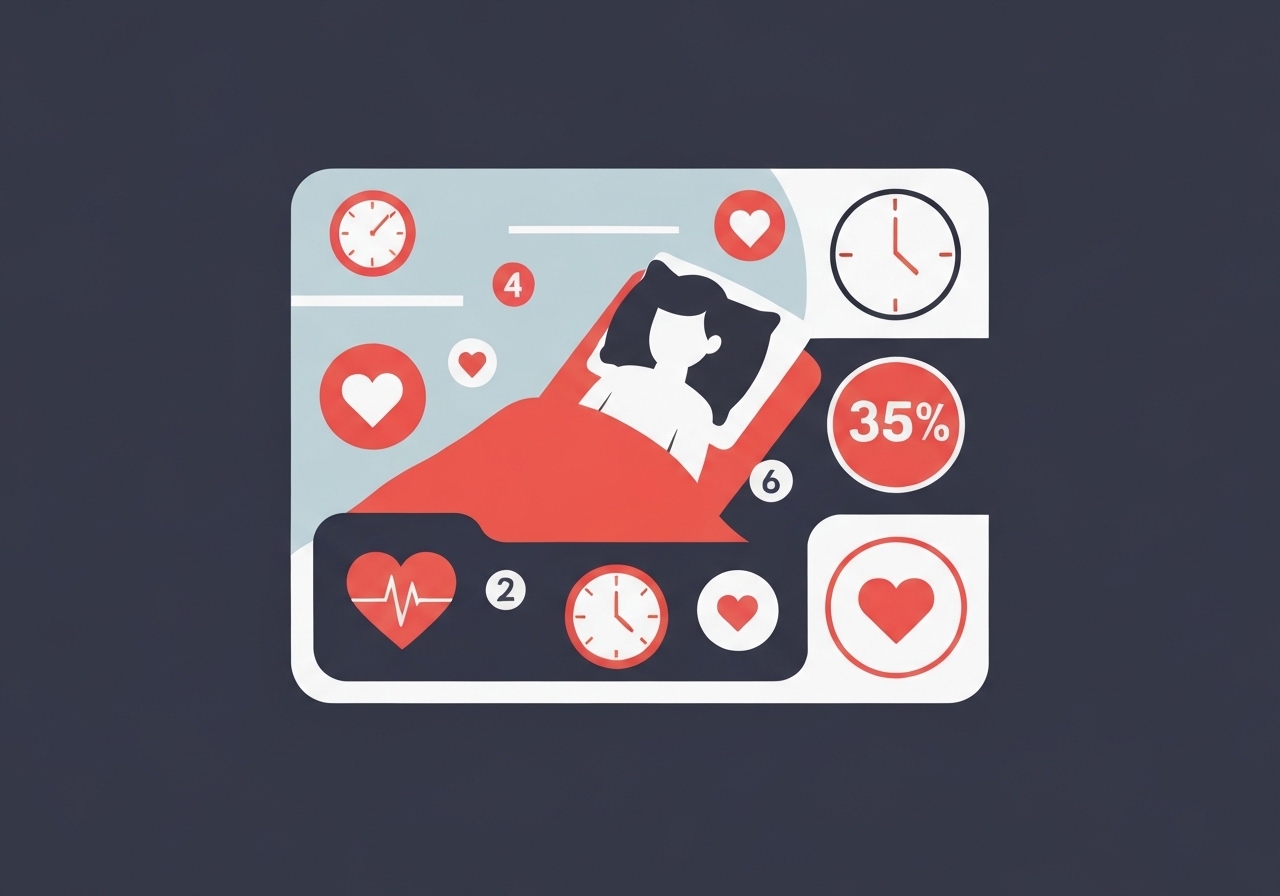
On January 26, 2026, new findings presented at the American Heart Association’s 2025 Scientific Sessions linked routine exposure to artificial light at night with biological signals tied to cardiovascular disease. Researchers analyzed brain PET/CT scans and medical records from more than 450 adults without prior heart disease and found that higher nighttime light exposure was associated with stress-related brain activity, increased arterial inflammation and a heightened risk of cardiovascular events—reported as up to a 35% relative rise. The study suggests that light after dark may be more than a sleep nuisance: it may trigger physiological cascades that affect heart health over time.
Key Takeaways
- Sample and method: The analysis used PET/CT imaging and medical records for over 450 adults free of known cardiovascular disease to measure brain stress activity and arterial inflammation.
- Exposure mapping: Researchers estimated each participant’s level of artificial light at night by linking satellite- and address-based light measures to home locations.
- Brain response: Higher night light exposure correlated with increased activity in brain regions tied to the sympathetic “fight-or-flight” response.
- Arterial inflammation: That neural activation was associated with greater arterial inflammation, a recognized early driver of atherosclerosis.
- Clinical signal: Study authors reported up to a 35% higher relative risk of subsequent cardiovascular events among those with greater nighttime light exposure.
- Mechanism: The team emphasizes sympathetic nervous system activation and circadian disruption—beyond melatonin suppression—as plausible pathways.
- Practical advice: Simple changes (dark bedrooms, warm evening lighting, device curfews, timed outdoor lights) are recommended to reduce exposure.
Background
Interest in environmental contributors to cardiovascular disease has grown as researchers look beyond traditional risk factors like cholesterol, smoking and hypertension. Circadian biology—how the body’s internal clock coordinates sleep, hormones and metabolism—has emerged as an important domain: disruptions to the circadian system have been linked to obesity, diabetes and heart disease in prior studies. Artificial light at night is a pervasive source of circadian disturbance in modern societies, from streetlamps and nighttime screens to indoor lighting schedules.
Past epidemiological studies have connected shift work and irregular sleep schedules to higher cardiovascular risk, and animal work has shown that nocturnal light alters stress hormones and inflammatory pathways. The AHA 2025 presentation adds human imaging data to that body of work, focusing on intermediate biological markers—brain stress activity and arterial inflammation—that often precede clinical cardiovascular events by years. Stakeholders include clinicians, urban planners, lighting manufacturers and public-health agencies concerned with population-level risk reduction.
Main Event
The research team combined neuroimaging and vascular imaging with geospatial exposure estimates. Participants underwent PET/CT scans to quantify activity in brain regions involved in stress responses and to measure arterial inflammation. Investigators then assigned each person a nighttime light exposure metric based on their residential address, using objective light mapping techniques.
Analysis showed that individuals living in areas with higher levels of artificial light at night exhibited amplified activity in brain networks tied to the sympathetic nervous system. That increased neural stress signal correlated with higher PET measures of arterial inflammation, even after adjusting for common cardiovascular risk factors. The investigators interpret these results as evidence of a mechanistic link: nocturnal light may be perceived by the brain as a stressor, activating pathways that promote vascular inflammation.
When the imaging markers were followed against clinical outcomes, the cohort with greater night light exposure experienced a significantly higher incidence of cardiovascular events over the observation period—reported by the presenters as up to a 35% relative increase. The presenters cautioned that the finding reflects relative risk in this sample and noted limitations in generalizability and follow-up duration.
Analysis & Implications
Biologically, the study highlights two overlapping mechanisms by which light at night could affect cardiovascular risk. First, light suppresses melatonin, a hormone that helps regulate sleep and has downstream metabolic effects. Second, and importantly demonstrated here, light appears to engage the sympathetic nervous system—raising alertness and stress-related neural activity—which can increase blood pressure, promote inflammatory signaling and accelerate arterial stiffening over time.
From a public-health perspective, the finding reframes a common, modifiable exposure as a potential contributor to population cardiovascular risk. Unlike many environmental risks that are difficult to change, household and community lighting are directly controllable through behavioral choices and policy (for example, adopting shielded fixtures, warm-spectrum bulbs, and curfews for nonessential outdoor lighting).
Clinically, the study supports asking patients about nocturnal light exposure as part of cardiovascular risk assessment, particularly for those with other risk factors. However, the observational design means causation is not proven—interventional studies that reduce night light and track biological and clinical endpoints will be needed to confirm benefit.
Comparison & Data
| Measure | Finding |
|---|---|
| Sample size | >450 adults without prior CVD |
| Imaging | PET/CT for brain stress activity and arterial inflammation |
| Exposure | Address-linked artificial light at night |
| Biological link | Higher neural stress activity correlated with greater arterial inflammation |
| Clinical outcome | Up to 35% relative increase in cardiovascular events (higher-exposure group) |
Putting the numbers in context: a reported 35% relative increase does not specify absolute event rates in the paper summary; relative risk amplifies proportional differences but the public-health impact depends on baseline incidence. For individuals with low baseline risk, the absolute change may be small; for higher-risk populations, the same relative increase could translate into more events. That nuance matters for clinicians and policymakers planning interventions.
Reactions & Quotes
“This analysis strengthens the link between nocturnal light exposure and biological processes that precede heart disease,” the conference summary said, emphasizing imaging-based markers over self-reported sleep measures.
American Heart Association (conference presentation summary)
“We should think of light at night not just as a sleep disruptor but as an environmental stressor that can nudge cardiovascular risk over time,” an independent sleep researcher commented in press discussion, noting the need for randomized interventions.
Independent sleep scientist (statement to press)
“I switched to amber lamps and a phone curfew after reading results like these,” said one social-media poster reflecting a common public reaction; anecdotes like this underscore how small behavioral changes are already being adopted.
Public reaction (social media)
Unconfirmed
- The study shows associations between night light, brain stress markers and arterial inflammation, but direct causation of clinical events by light exposure has not been proven in randomized trials.
- How the reported “up to 35%” relative risk translates into absolute risk for different age and risk groups is unclear from the presentation summary.
- Variability in exposure measurement (residential address as a proxy for individual nighttime light habits) may misclassify personal device use or workplace night shifts; individual-level exposure was not exhaustively captured.
Bottom Line
The AHA 2025 findings add imaging-based evidence linking artificial light at night to stress-related brain activity, arterial inflammation and a measurable increase in cardiovascular events within the studied cohort. While the design is observational, the biological plausibility and concordance with prior circadian-disruption research make the results noteworthy for clinicians and the public alike.
Practical steps—making bedrooms dark, using warm evening lighting, instituting device curfews and limiting unnecessary outdoor illumination—are low-cost measures that may reduce a potentially modifiable contributor to heart risk. Future randomized and interventional studies are needed to quantify absolute benefit and guide clinical recommendations, but reducing nighttime light exposure is a reasonable precaution for those concerned about cardiovascular health.
Sources
- MindBodyGreen – Coverage of AHA 2025 presentation (media)
- American Heart Association – Scientific Sessions (official conference page)
- National Sleep Foundation – Light and sleep guidance (nonprofit public education)