
Lead
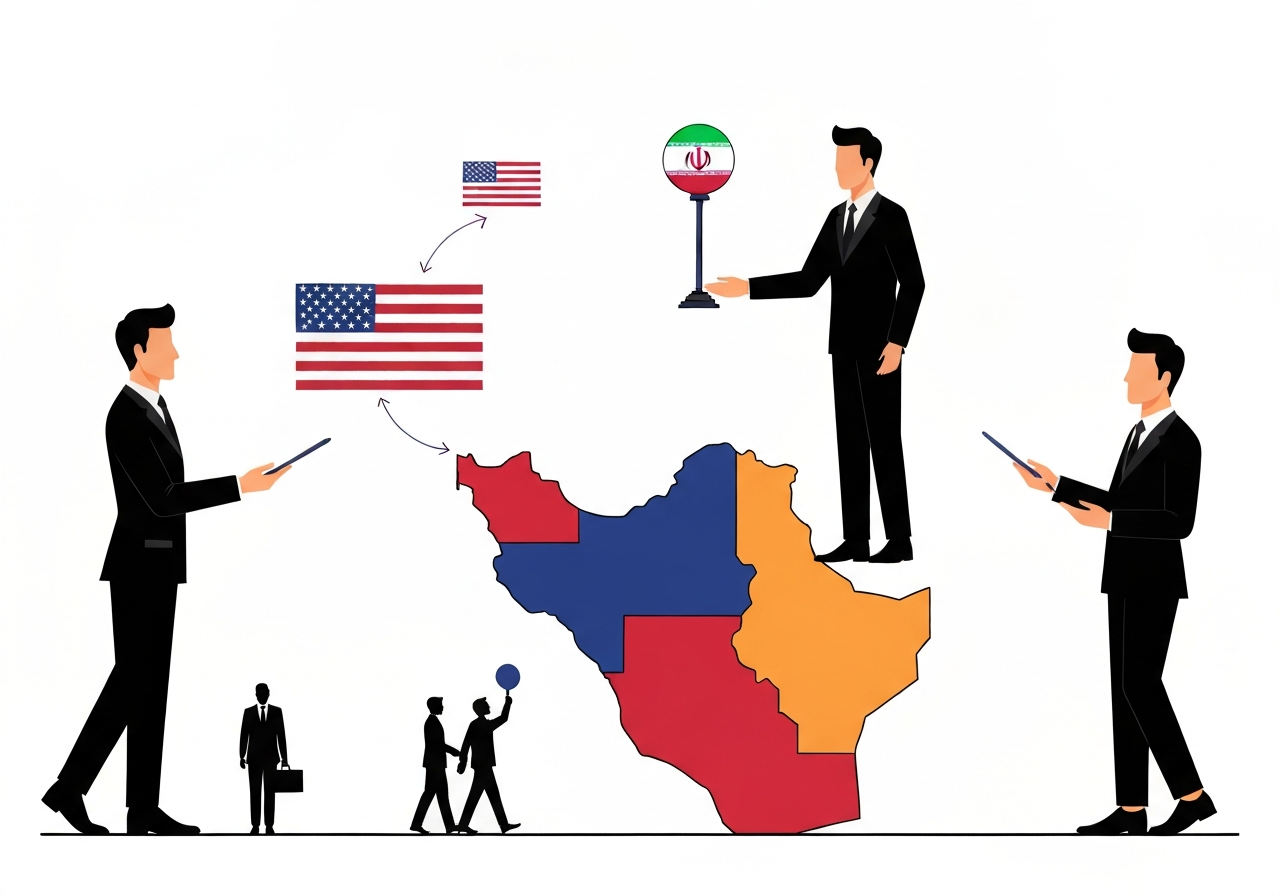
On May 7, 2026, mediators in Pakistan expected Iran to formally reply to a one-page US proposal aimed at declaring an end to the war and opening a 30-day window for negotiations. The proposal, circulated this week, touches on nuclear constraints, frozen assets and security in the Strait of Hormuz; both sides are described by sources as moving toward an agreement. Meanwhile, Tehran has introduced formal transit rules for ships in the Strait, oil prices reacted to the diplomatic momentum, and domestic developments in Iran — including a reported meeting between President Masoud Pezeshkian and new Supreme Leader Mojtaba Khamenei — added political texture to the day.
Key takeaways
- Iran is expected to deliver a response to Pakistani mediators on May 7, 2026; sources say both Tehran and Washington are progressing toward an understanding.
- The US proposal is said to be one page, would declare an end to active hostilities and trigger a 30-day negotiating period on nuclear, financial and security issues.
- Iran’s Persian Gulf Strait Authority issued a 40+ question “Vessel Information Declaration,” formalizing new transit rules for the Strait of Hormuz.
- Oil reacted to the diplomatic shift: Brent traded near $99.8/barrel and WTI at $93.5/barrel, after a volatile week that saw an almost 8% one-day drop on Wednesday.
- Operational efforts to escort ships through the Strait lasted 48 hours and guided only two vessels; about 1,600 ships remain delayed in the region.
- Humanitarian and political strains continue: Nobel laureate Narges Mohammadi remains in unstable condition in custody, and Iran reported rebuilding the B1 bridge hit in March (8 dead, 95 injured in the strike).
- Hostilities elsewhere persist: the IDF said it struck a senior Hezbollah commander in Beirut, the first such strike in the capital since the Lebanon ceasefire.
Background
The one-page US proposal grew out of months of shuttle diplomacy after US–Israeli strikes on Iran began on February 28, 2026. That campaign sharply escalated regional risk, disrupted maritime trade through the Strait of Hormuz and triggered international efforts—led by the United States, Pakistan and other intermediaries—to find a diplomatic off-ramp. The proposal reportedly aims to freeze the kinetic phase of the conflict while opening structured talks on outstanding issues including nuclear enrichment, frozen Iranian assets and navigational security.
Iran’s domestic politics complicate decision-making. Hard-line voices and state-aligned media have publicly criticized conciliatory gestures, while pragmatic officials and mediators press for an accommodation that protects Iran’s core interests. At the same time, the new Persian Gulf Strait Authority (PGSA) has moved to formalize transit controls, a step Tehran frames as asserting its defensive geography and others view as an attempt to normalize authority over a once open international waterway.
Main event
On May 7, 2026, Iranian officials told semi-official media they were still reviewing US messages transmitted via Pakistani intermediaries and had not finalized a reply. Regional sources previously indicated Tehran planned to hand over a written response to mediators on Thursday. US officials signaled cautious optimism; President Donald Trump publicly said he was “positive” about progress, while warning that failure to reach acceptable terms could prompt a return to military pressure.
The US-drafted one-page text is described by one regional source as a framework declaration that would end active hostilities and initiate a 30-day negotiating timetable for harder issues. Negotiators reportedly have divergent views on the nuclear timeline: the US suggested a moratorium longer than 10 years (previous offers had included 20-year terms), while Iran has pressed for different guarantees on enrichment and facility access. Proposals on the fate of highly enriched uranium stockpiles and their movement remain a sensitive sticking point.
Simultaneously, Iran’s PGSA circulated a “Vessel Information Declaration” requiring transiting ships to provide detailed identifiers, ownership and crew nationality information. Lloyd’s List Intelligence reviewed the form and characterized it as formalizing practices that had previously been informal inquiries. Maritime insurers and ship operators say the new rules, plus ongoing security risks, are keeping roughly 1,600 vessels delayed in and around the Strait of Hormuz.
Analysis & implications
If Tehran formally accepts a short, one-page ceasefire declaration, the immediate effect would likely be a reduction in overt naval risk and a partial reopening of diplomatic channels. That in turn would lower—but not eliminate—economic disruption: traders and analysts note that even with a deal, oil markets will take months to price in sustained supply stability. Jefferies’ example estimate cited this week suggests Brent may still trade materially above pre-war levels in the medium term.
Strategically, a mediated pause would shift pressure from kinetic operations to protracted negotiation, where leverage is distributed across many issues: sanctions relief, frozen asset transfers, nuclear restrictions, and Strait security. Israel and Gulf partners remain sensitive to any perceived loosening of pressure on Iran; Israeli officials are said to be particularly focused on sanctions relief elements and nuclear timelines.
The PGSA transit rules represent a parallel track of control: even if active hostilities abate, Tehran’s paperwork and screening could continue to complicate commercial navigation and insurance pricing. Normalizing administrative control over international transit may give Iran a durable lever short of open conflict—one that affects global shipping lanes and energy markets.
Comparison & data
| Metric | Latest reported | Recent move |
|---|---|---|
| Brent crude | $99.8 / barrel | ~1.5% lower today; ~8% drop Wed |
| WTI | $93.5 / barrel | Similar decline this week |
| Ships delayed near Hormuz | ~1,600 vessels | Operation to guide ships lasted 48 hours (2 ships escorted) |
These figures show the immediate market response to diplomatic signals: prices retreated after a volatile week, but benchmarks remain elevated compared with pre-February 28 levels. Maritime congestion numbers underscore the logistical and insurance frictions that would persist even if a political agreement reduces direct strike risk.
Reactions & quotes
“We are still reviewing messages transmitted through Pakistani mediation and have not finalized our response,”
Esmaeil Baghaei, Iranian Foreign Ministry spokesperson (semi-official statement)
Baghaei’s comment was carried by Iranian semi-official outlets and signaled Tehran’s careful, consultative posture while mediators await a written reply.
“Even if we get a deal over the coming days, we do not see oil prices going back to pre-war levels,”
Mohit Kumar, Chief European Economist, Jefferies (market comment)
Kumar’s assessment frames market expectations that structural disruptions and risk premia will not vanish immediately with a diplomatic accord.
“Complete and accurate information is essential,”
Persian Gulf Strait Authority (PGSA) email shared with Lloyd’s List Intelligence (administrative notice)
The PGSA message to ship operators formalizes Iran’s new screening and illustrates how administrative controls can extend the conflict’s economic effects even if kinetic actions pause.
Unconfirmed
- Precise text of the one-page US proposal: some reported elements (exact moratorium length and uranium transfer arrangements) remain unverified and were described differently by separate sources.
- Allegations that Iran fired on a South Korean-linked vessel: investigations into the explosion and fire at a Panama-flagged ship near the Strait of Hormuz are ongoing and attribution has not been independently confirmed.
Bottom line
May 7 appears to be a pivot point: a formal Iranian reply to Pakistan-mediated messages could unlock a short diplomatic window designed to halt fighting and move to a negotiated settlement on core disputes. Even if an initial accord is reached, the hard work will shift to multilateral negotiation over nuclear limits, frozen assets and lasting guarantees for maritime freedom.
Markets and regional actors should expect a phased process. Oil prices and shipping costs could decline from their recent peaks, but the new administrative controls and unresolved political frictions mean elevated risk premia will likely linger. Observers should watch (1) the exact wording Iran accepts, (2) whether mediators secure concrete timelines for nuclear and asset issues, and (3) whether third parties—Israel, Gulf states and insurers—adjust policy and operational behavior in response.