
Lead
Two powerful earthquakes struck northern Venezuela on Wednesday, leaving at least 920 people dead and thousands more injured across coastal states, officials said on June 26, 2026. Rescue teams and international contingents rushed to the hardest-hit areas, especially La Guaira, racing to reach people trapped beneath collapsed buildings during the critical first 48–72 hours. Hospitals and emergency services reported severe shortages of supplies as entire neighborhoods were left uninhabitable and tens of thousands displaced. Authorities declared La Guaira a disaster zone and restricted access to prioritize search-and-rescue operations.
Key Takeaways
- Confirmed fatalities: National Assembly President Jorge Rodríguez reported at least 920 deaths nationwide as of June 26, 2026, with La Guaira the worst affected.
- Injuries and trapped: Officials said 3,360 people were injured and at least 172 remain trapped under rubble in multiple locations.
- Infrastructure damage: Authorities counted damage to at least 383 buildings, 13 hospitals, 25 shopping centers and 1,002 other structures.
- International response: Multiple countries — including the United States, El Salvador, Colombia, Mexico, Spain and others — dispatched rescue teams, equipment and humanitarian aid.
- Medical system strains: Doctors reported critical shortages of water, antibiotics, IV fluids and anesthetics; two hospital buildings were described as collapsed.
- Golden window: Rescuers emphasized the 48–72 hour “golden” period to reach survivors, prompting a rapid international surge of search-and-rescue teams.
- Access and security: La Guaira was militarized and local officials asked the public not to travel there to avoid obstructing relief convoys.
Background
Venezuela has faced a prolonged economic and political crisis for years, and the seismic disaster has struck while institutions and infrastructure remain fragile. In January, the country experienced a major political shock when, according to multiple reports earlier this year, US forces carried out a high-profile operation affecting President Nicolás Maduro; that shift has continued to reshape regional diplomacy and security ties. The built environment along Venezuela’s northern coast includes many older structures that were not retrofitted to recent seismic standards, increasing vulnerability to collapse in a major quake.
Emergency services in Venezuela have been operating under constrained budgets and limited equipment for years, leaving hospitals and first responders with reduced capacity to absorb mass casualties. Civil society and volunteer groups are stepping in to fill gaps, but coordination between government, local NGOs and foreign teams is complicated by damaged transport links and restricted access to some zones. International humanitarian organizations warned that relief and recovery will likely be measured in months, not weeks.
Main Event
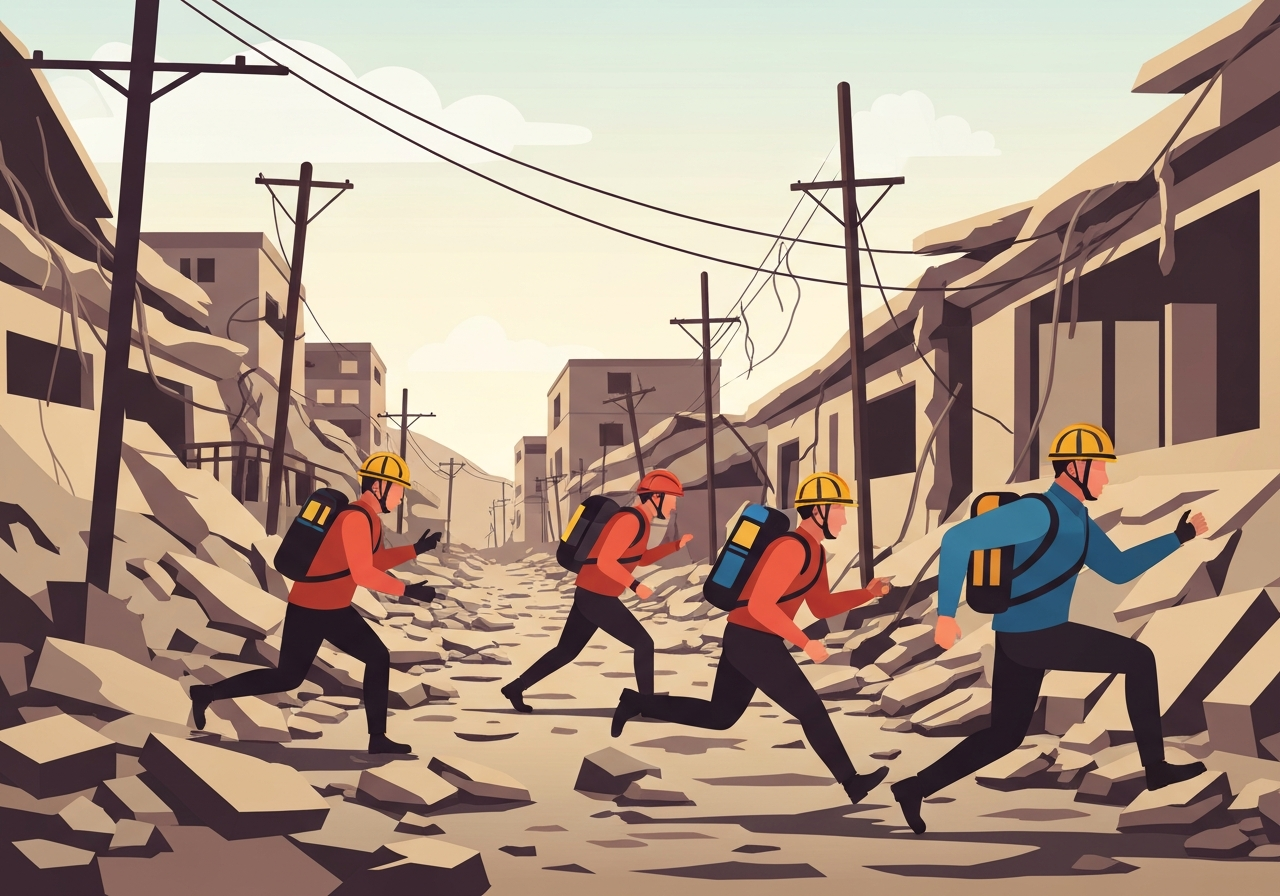
The twin tremors struck on Wednesday evening, toppling apartment blocks and business centers along coastal municipalities, with Caraballeda and other parts of La Guaira showing widespread collapse on satellite imagery. Local firefighters, military units and newly arrived foreign urban search-and-rescue (USAR) teams have been working round the clock to extract survivors from unstable rubble. Video and eyewitness accounts captured moments of people being pulled from destroyed buildings and relatives searching makeshift shelters for loved ones.
Venezuelan authorities said specialized percussion equipment was deployed to break controlled openings in concrete to reach people still buried, while heavy machinery from international partners helped clear collapsed floors and access points. A Salvadoran rescue team reported locating a 15-year-old girl on the ninth floor of a collapsed building in Catia La Mar; officials said teams still needed to breach internal walls to complete the extraction. The US Southern Command published photos of a meeting between its personnel and Venezuelan acting officials as military assets and logistics capabilities were redirected to support relief operations.
Hospitals such as Domingo Luciani in eastern Caracas reported a continuous inflow of injured people and donations, even as medical staff said some facilities were damaged or collapsed. Authorities reported that the government established stockpiles of food, water and medicines at a central location in Caracas and opened volunteer registration centers, while local shelters described urgent needs for cleaning supplies, diapers, mats and bedding for displaced families.
Analysis & Implications
Humanitarian impact: The scale of fatalities and injuries compounds an already fragile public-health environment. With at least 13 hospitals damaged and shortages of essential supplies reported, the ability to deliver trauma care and manage infectious risk is compromised. Emergency responders and international medical teams will need to prioritize trauma surgery, wound care and safe shelter to reduce preventable deaths over the coming weeks.
Logistics and access: Damage to key transport nodes, including reports of airport impairment, slows the delivery of heavy equipment and bulk relief shipments. While neighboring countries have staged supplies nearby, ground access to La Guaira has been constrained by debris and security measures. Recovery plans will have to account for extended timelines to clear roads, restore utilities and reestablish distribution chains for food, water and fuel.
Political and diplomatic effects: The humanitarian crisis occurs against a tense political backdrop and has already prompted unusual military-to-military coordination and visible engagement by the United States and other states. International aid can ease immediate suffering but may also intensify diplomatic contestation if distribution is perceived as politicized. Domestic frustration with the pace of the response risks social unrest if needs outstrip capacity.
Long-term reconstruction: Rebuilding will pose a major fiscal and technical challenge given the extent of structural damage and preexisting maintenance deficits. Authorities and donors will face decisions about whether to repair in place, retrofit, or relocate communities. Donor coordination, transparent procurement and engineering assessments will be essential to minimize repeat risk and ensure funds reach affected households.
Comparison & Data
| Metric | Current event (Jun 26, 2026) |
|---|---|
| Confirmed fatalities | 920 |
| Injured | 3,360 |
| People still trapped (reported) | 172 |
| Buildings affected | 383 |
| Hospitals damaged | 13 |
These official counts reflect government briefings on June 26, 2026, and are subject to revision as search operations continue. Comparisons with past seismic events in Venezuela show this disaster ranks among the country’s most severe in recent memory, both for urban structural collapse and the number of displaced households.
Reactions & Quotes
“At least 920 citizens have lost their lives; our efforts are focused on locating and rescuing those still trapped,”
Jorge Rodríguez, President of Venezuela’s National Assembly (official briefing)
Rodríguez also provided the tally of injured and infrastructure damage while urging civilians not to travel to La Guaira.
“We are rapidly surging critical capabilities to support earthquake relief operations and help save lives,”
U.S. Southern Command (official statement)
The military statement accompanied images of coordination meetings and described deployment of transport ships and aircraft to assist relief logistics.
“Hospitals lack water, antibiotics and basic supplies; two hospitals have partially collapsed,”
Dr. Huniades Urbina-Medina, pediatrician (medical source)
Medical staff continue to call for transparent channels for incoming aid and clear distribution lists to ensure supplies reach frontline hospitals.
Unconfirmed
- Final casualty figures: The death toll and number still trapped are provisional and may rise as crews reach more sites.
- Details of high-profile security incidents mentioned in earlier reports (including the January operation affecting President Nicolás Maduro) have varying accounts in different sources and remain politically sensitive.
- Reports on the authenticity of audio clips and some real-time social media footage have not been independently verified.
Bottom Line
The back-to-back earthquakes that struck Venezuela on June 26, 2026, produced catastrophic loss of life and widespread destruction in coastal states, compounding preexisting humanitarian and institutional fragilities. Immediate priorities are rescuing people still beneath rubble, stabilizing health services, and delivering shelter, water and medical supplies to tens of thousands of displaced people. International teams and donated equipment have accelerated the response, but access constraints and damaged infrastructure mean relief and recovery will be prolonged and costly.
Authorities, donors and humanitarian organizations will need to coordinate rapidly and transparently to avoid bottlenecks, ensure impartial aid distribution and plan reconstruction that reduces future seismic risk. For readers tracking the situation, expect official figures to be updated frequently and for the focus to shift from lifesaving operations to recovery and rebuilding over the coming months.