
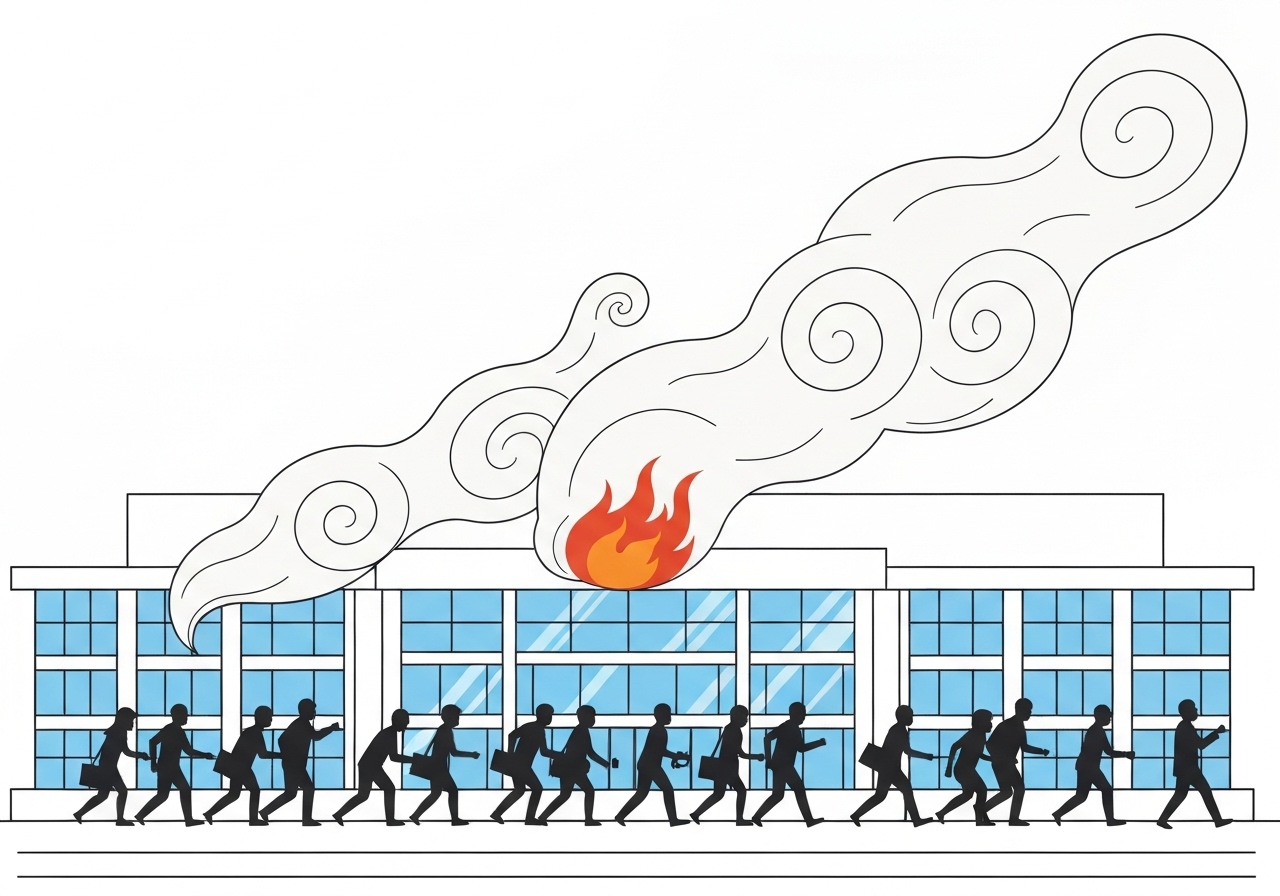
Lead: A fast-moving fire at the COP30 U.N. climate summit in Belém, Brazil, on Thursday forced a full evacuation of the pavilion area on the conference’s next-to-last day. Organizers said crews brought the blaze under control in about six minutes and 13 people were treated for smoke inhalation. Officials identified the fire as starting near the China pavilion and spreading to adjacent exhibition tents; it is not yet clear when negotiations will resume. The incident raised immediate safety and logistical questions for the closing phase of the talks.
Key Takeaways
- Fire broke out on Thursday at COP30 in Belém, Brazil, prompting evacuation of the pavilion zone on the penultimate day of the summit.
- Emergency teams reported the blaze was contained in about six minutes and 13 people received treatment for smoke inhalation.
- Brazil’s Tourism Minister Celso Sabino said the fire started near the China pavilion; neighboring pavilions for African delegations and youth programming were affected.
- Para state Gov. Helder Barbalho cited a suspected generator failure or short circuit as the probable origin of the fire.
- The pavilion structures were reinforced canvas or fabric booths and much of the venue had been under construction until shortly before the summit opened.
- Organizers ordered site-wide evacuation; the exact timetable for resumption of talks remained unclear at the time of reporting.
- Volunteers and staff working accreditation and logistics were among those evacuated, highlighting operational disruptions in the final days of COP30.
Background
The COP30 summit brought negotiators, ministers and observers to Belém at a time when global attention is focused on accelerating climate commitments ahead of year-end deadlines. Host-city pavilions and side events are a core part of COP mechanics: they provide space for national exhibits, youth and civil-society programming, and private-sector showcases that run alongside formal negotiations. For COP30, organizers built a cluster of temporary pavilions and exhibition tents to host dozens of side events and national displays.
Construction on parts of the venue continued up to the conference opening, with reported exposed beams, unfinished floors and active work crews seen during earlier sessions. Such last-minute build-outs are not uncommon at large international summits, but they also concentrate temporary electrical systems, generators and cabling that require strict safety oversight. Local authorities and summit organizers share responsibility for site safety, accreditation and crowd management during a sustained, high-attendance event like COP30.
Main Event
On Thursday, smoke and flames were reported in one of the fabric pavilions near the China exhibit; the blaze moved quickly into adjacent tents used by African delegations and youth-focused activities. Security personnel and firefighters arrived on scene and organizers ordered the full evacuation of the pavilion cluster to protect participants and staff. Video distributed by news agencies showed large flames in a booth-style structure before firefighting crews extinguished the fire.
Officials said the fire was controlled in approximately six minutes, and medical teams treated 13 people for smoke inhalation at the site. No deaths were reported. The rapid response limited broader injuries, but the evacuation interrupted scheduled side events and left delegates uncertain about the immediate continuity of the formal negotiations, which were in a critical final phase.
Pra state Gov. Helder Barbalho stated that a generator failure or short circuit in a booth may have initiated the blaze; Brazil’s Tourism Minister Celso Sabino reported the initial ignition point as near the China pavilion. Volunteers and staff who were on break or working accreditation—some of whom had been at the venue for weeks—described chaotic scenes as security guided them toward exits. One volunteer said the shock of evacuation prompted concerns about local reputation and the efforts of residents who helped host the summit.
Analysis & Implications
The immediate implication is logistical: evacuation of a major pavilion area disrupts side events that feed into negotiation dynamics, informal diplomacy and public engagement. Side events often shape political pressure and technical exchanges that influence negotiating blocs; losing hours or a day of those interactions may narrow informal channels of deal-making in the summit’s final stretch. For delegations relying on pavilion briefings and bilateral meetings, the interruption could compress timelines and shift business to ad hoc venues or digital follow-ups.
From a safety and reputational standpoint, the incident underscores the operational risks tied to temporary infrastructure at large international gatherings. Even a brief fire draws scrutiny to planning, permitting, electrical safety and contractor supervision—areas host governments and organizers will need to document and justify to domestic and international audiences. For Brazil, which had invested in staging COP30 in Belém, authorities will face pressure to demonstrate that they met safety standards and to explain the timeline for resuming sessions.
Politically, an accident during high-profile climate talks risks diverting attention from substantive outcomes to process and preparedness. Media and stakeholders may question whether organizational shortcomings impaired delegates’ ability to negotiate effectively. At the same time, the quick containment and lack of fatalities could mitigate longer-term reputational damage if authorities provide transparent information and a clear plan to continue deliberations.
Comparison & Data
| Metric | Reported Value |
|---|---|
| People treated for smoke inhalation | 13 |
| Approximate containment time | 6 minutes |
| Summit stage | Next-to-last day (penultimate day) |
The simple table above summarizes the immediate, reported figures from the incident: 13 people treated and an approximately six-minute extinguishing window, according to organizers and local officials. These counts reflect initial emergency and medical responses and may be revised as authorities complete follow-up checks and incident reporting. The data capture the incident’s short timeframe but do not quantify operational disruption such as the number of canceled side events or hours of negotiation delay.
Reactions & Quotes
“The fire started near the China pavilion and spread to neighboring booths; we evacuated the site to ensure everyone’s safety.”
Brazilian Tourism Minister Celso Sabino (on-scene statement)
Sabino’s comment framed the incident as starting at a specific pavilion and emphasized the priority of evacuating participants. He spoke to journalists at the venue while emergency crews were active.
“A generator failure or a short circuit may have started the blaze.”
Para Gov. Helder Barbalho (local official statement)
Gov. Barbalho pointed to an electrical fault as the probable origin, an early technical hypothesis authorities said they would investigate further.
“I was at lunch, saw black smoke and a guard led me out—it’s so sad after all the work we’ve put in.”
Gabi Andrade (COP30 volunteer)
The volunteer’s reaction highlights the human and community dimension: exhausted staff and local volunteers who spent weeks preparing for the summit were among those displaced and alarmed by the incident.
Unconfirmed
- Cause of ignition: officials have cited a suspected generator failure or short circuit, but a formal technical investigation and public report have not yet confirmed the definitive cause.
- Resumption timetable: organizers had not provided a firm schedule for restarting side events or formal negotiations at the time of reporting.
- Extent of property damage: initial images showed charred tents and smoke damage, but a full assessment of exhibit losses and structural harm had not been published.
Bottom Line
The fire at COP30 in Belém interrupted a critical phase of climate negotiations by displacing participants and halting pavilion-based programming. While the quick containment and the absence of fatalities limited immediate human harm, the episode raises questions about temporary-infrastructure safety, last-minute construction practices and emergency preparedness for large international summits.
For delegates and observers, the key concerns going forward are transparent investigation of the cause, clear timelines for resuming talks, and documentation of any lost negotiation time or canceled side events that could affect outcomes. How Brazilian authorities and COP organizers handle follow-up reporting and remediation will shape domestic and international perceptions of the summit’s management in its final hours.
Sources
- NPR (international news outlet reporting on the incident)
- Associated Press (AP) (photo agency / news reporting)
- G1 / Globo (local Brazilian news outlet citing statements from Para state officials)