
Lead
At the Halifax International Security Forum on November 23, a bipartisan group of U.S. senators said they were told by Secretary of State Marco Rubio that the widely leaked 28-point peace plan President Trump has promoted for Ukraine resembles a Russian “wish list” rather than a U.S.-authored negotiating text. The senators said Rubio relayed the comment during a call while traveling to Geneva; the State Department and Rubio disputed that account. The proposal, reportedly authored with input from both Russian and Ukrainian contacts and promoted by the White House, has already drawn sharp criticism for conceding significant territorial claims. The exchange created a public contradiction over who wrote the plan and whether Washington is advancing a document that rewards Russian demands.
Key Takeaways
- Senators at the Halifax forum said Marco Rubio told them the 28-point plan was a “wish list” of Russian demands, not the administration’s finalized proposal.
- The plan is widely described as a 28-point framework; the White House says it was produced with U.S. leadership and input from both Russia and Ukraine.
- State Department spokesperson Tommy Pigott labeled the senators’ account “blatantly false,” while Rubio posted that the plan was authored by the U.S. with outside input.
- Sen. Mike Rounds (R-SD) said the text “looked more like it was written in Russian to begin with,” and Sen. Angus King (I-ME) relayed Rubio’s phrasing that it was a Russian wish list.
- Russian President Vladimir Putin publicly welcomed the proposal as a possible basis for a settlement; Ukrainian President Volodymyr Zelensky did not accept it outright and stressed fair treatment.
- The plan was presented as a starting point for negotiations and reportedly aims for Ukraine to accept it by late next week, according to public reporting.
- About 300 people attended the Halifax International Security Forum in its 17th year, where the senators discussed these developments.
Background
The 28-point document at the center of the dispute first leaked publicly and has been described as a U.S.-backed framework intended to jump-start talks to end the Russia-Ukraine war. The White House says the plan reflects roughly a month of work led by Secretary of State Marco Rubio and Trump envoy Steve Witkoff, with input from Ukrainian and Russian interlocutors. Critics say many elements concede territory and other demands Moscow has long pressed, provisions President Volodymyr Zelensky has repeatedly rejected.
Relations between Washington and its European partners are already strained by the surprising tone of the draft, and senators who focus on foreign relations have flagged legal, ethical and strategic risks if the United States appears to reward aggression. The Halifax International Security Forum, now in its 17th year, brought roughly 300 military officials, diplomats and lawmakers to Nova Scotia; it has been a venue for sensitive, off-the-record and on-the-record exchanges about major security questions.
Main Event
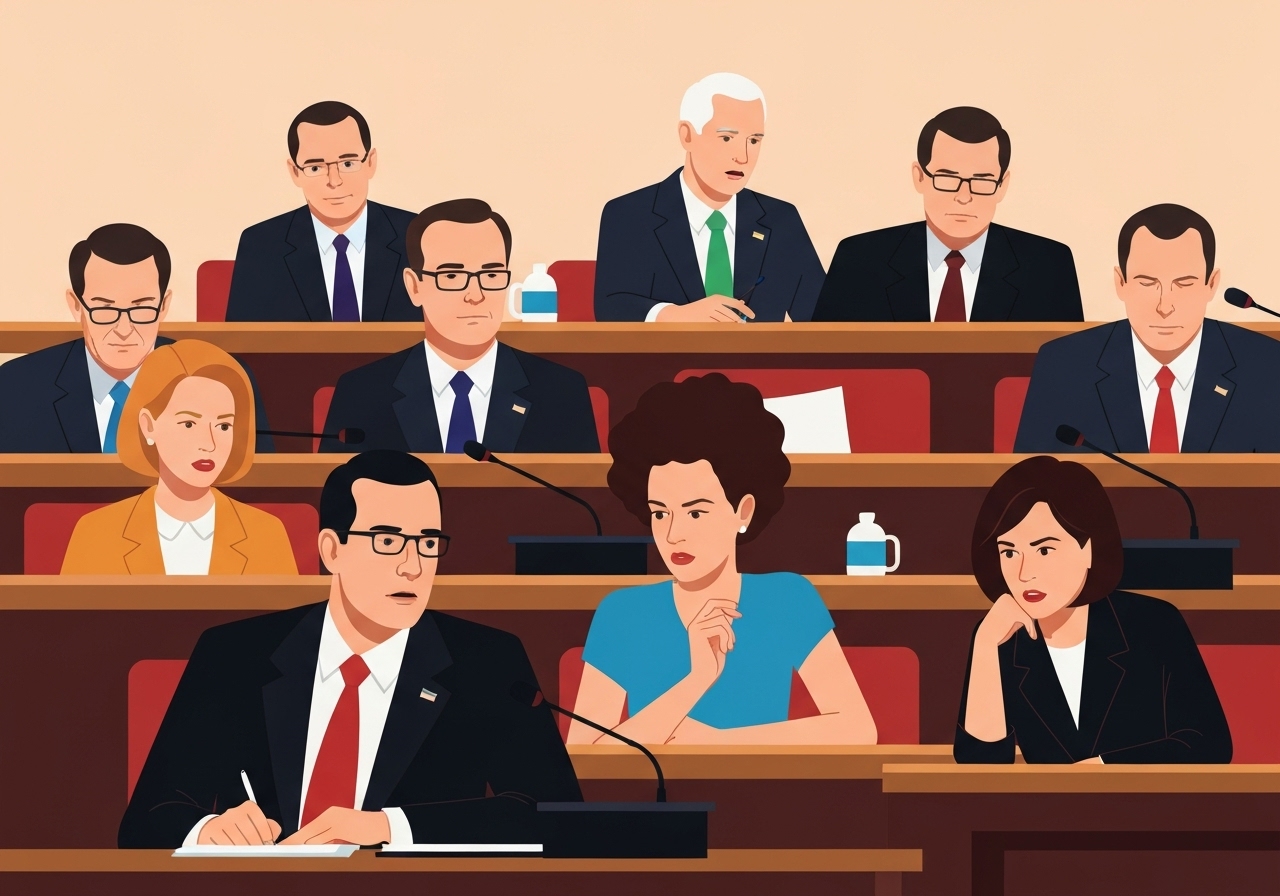
On Saturday at the Halifax forum, a bipartisan group of veteran senators said Rubio contacted them while en route to Geneva to discuss the proposal with other delegations. The senators described his message as saying the version circulating was not the administration’s plan but rather a compilation of Russian demands. Their statement was delivered publicly at a panel session, signaling concern among lawmakers who usually maintain private diplomatic channels.
Rubio and the State Department disputed the senators’ characterization. A State Department spokesperson called the senators’ account “blatantly false,” and Rubio posted on X that the peace proposal “was authored by the US” and incorporated input from both sides. A senior Trump administration official, speaking on background, reiterated that the administration views the plan as a U.S. authored framework meant to start negotiations toward a more durable settlement.
The content of the leaked draft has alarmed some foreign-policy-focused senators who argue it would reward Russia for seizing territory and set a dangerous international precedent. At the same time, the White House and some administration allies have framed the document as a pragmatic basis for dialogue that could eventually be improved in negotiations. The competing public accounts left the origin story of the draft unsettled going into planned Geneva talks.
Analysis & Implications
Politically, the dispute exposes fractures between Congress and the executive branch over the direction and messaging of U.S. diplomacy on Ukraine. If senators believe the administration is promoting text that concedes Russian gains, they may push for congressional measures to block or condition support tied to those concessions. That dynamic could complicate the White House’s ability to present a united U.S. front in Geneva and with NATO allies.
Strategically, acceptance of elements of the draft by Kyiv would alter the territorial status quo and could embolden other states that have used force to change borders. Observers note that even if the document is intended as a negotiating starting point, the optics of U.S. backing for terms favorable to Moscow risks signaling diminished deterrence and weakens legal norms against aggression.
Diplomatically, the controversy may weaken the plan’s credibility as a neutral basis for talks. If Russia claims the text as its success and Kyiv rejects it publicly, intermediaries will have less space to broker compromises. Conversely, if the administration clarifies that the draft is only an opening text and secures buy-in from allies and Ukraine, it could still function as a platform for iterative bargaining.
Comparison & Data
| Item | Figure |
|---|---|
| Draft length | 28 points |
| Forum year | 17th annual |
| Approx. attendees at Halifax | ~300 |
The table above captures the core numeric facts central to reporting: the 28-point scope of the proposal, the forum’s 17th year, and an estimated audience of roughly 300 participants. These figures help contextualize why the forum acted as a venue for visible, bipartisan critique and why a leak of the plan had immediate political reverberations.
Reactions & Quotes
This administration was not responsible for this release in its current form; they want to utilize it as a starting point.
Sen. Mike Rounds (R-SD)
Rounds framed the plan as a starting document while expressing skepticism, saying it appeared written to favor Russian positions. His remarks signaled Republican concern despite the White House’s public embrace of the draft.
The plan is not the administration’s plan — it looked like a wish list of the Russians.
Sen. Angus King (I-ME)
King conveyed what senators said Rubio told them on the call, underlining the bipartisan nature of the lawmakers’ unease and the confusion over the text’s provenance.
The peace proposal was authored by the US. It is offered as a strong framework for ongoing negotiations.
Marco Rubio (posted on X)
Rubio’s post insisted Washington wrote the document while acknowledging input from Russia and Ukraine, illustrating the competing public narratives about authorship and intent.
Unconfirmed
- Whether the specific circulated draft was produced primarily by Russian actors rather than U.S. officials remains disputed and unproven.
- Reports that the White House expects Ukraine to accept the plan by late next week are based on administration messaging and have not been independently verified by Ukrainian officials.
- Attribution of particular clauses in the 28-point draft to named Russian or Ukrainian individuals has not been publicly confirmed.
Bottom Line
The public disagreement between senators, Secretary of State Rubio and the State Department over the origin and character of the 28-point plan has elevated the political stakes of what the White House describes as a negotiation-starting framework. Beyond the immediate credibility questions, the episode highlights how leaks and competing narratives can constrain diplomatic flexibility and complicate alliance management.
For U.S. policymakers and international partners, the coming days—particularly the Geneva discussions—will be a test of whether the draft can be reframed as a true negotiation template or whether it will harden into a politically toxic document that satisfies neither Kyiv nor key allies. Close monitoring of official clarifications and any changes to the text will be essential for assessing the plan’s viability.
Sources
- CNN (news reporting)
- The Associated Press (news reporting)