
Lead
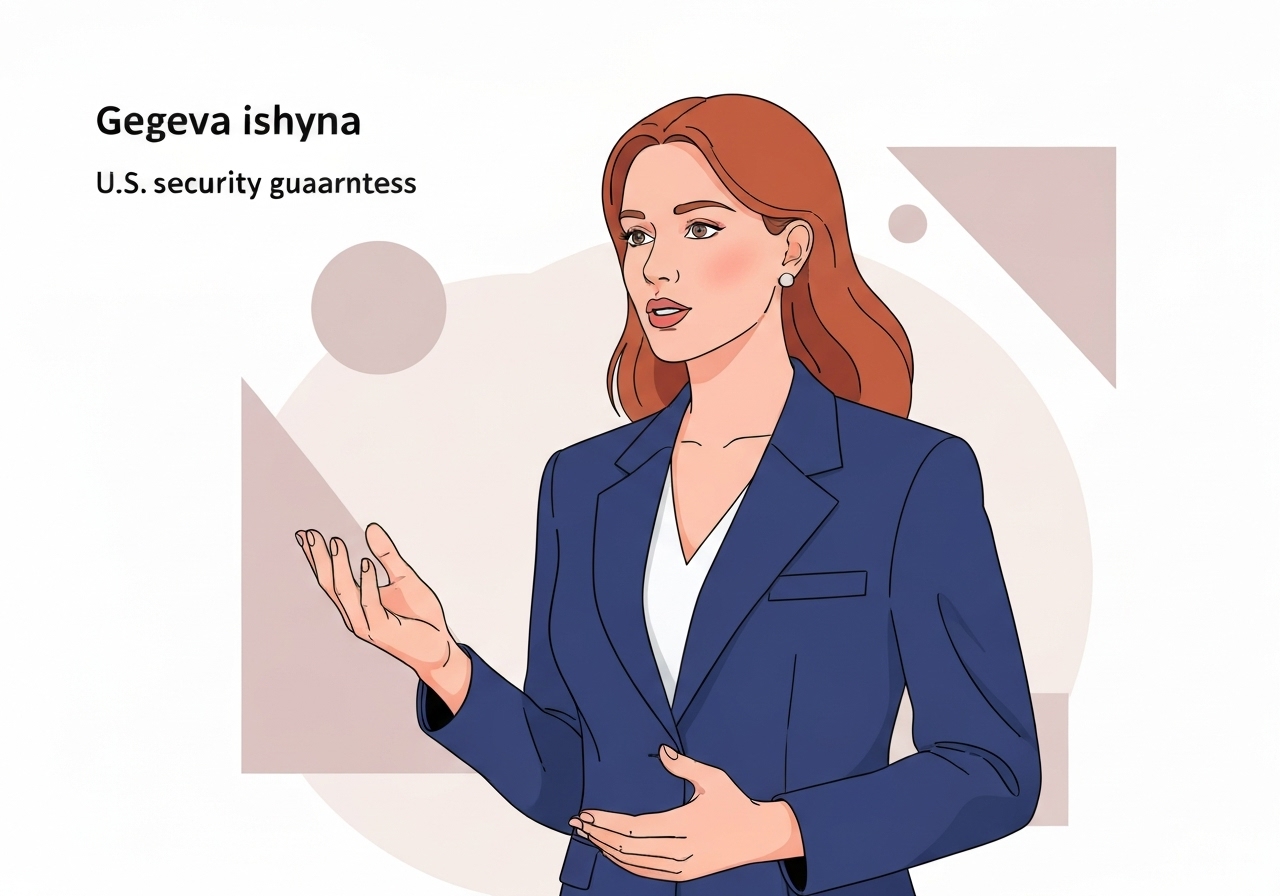
On Nov. 23, 2025, Ukraine’s Ambassador to the United States, Olga Stefanishyna, spoke to Margaret Brennan on Face the Nation from Washington as parallel consultations took place in Geneva. She said talks with U.S. officials over a U.S.-proposed 28-point peace outline and a separate security-assurances framework are still ongoing, and that the plan emphasizes ending military engagement rather than delivering judicial accountability. Stefanishyna said Russia has shown no meaningful concessions in the documents on the table and stressed that Kyiv seeks clear, enforceable security assurances. The interview also touched on battlefield developments, including fighting around Pokrovsk, and on Kyiv’s concerns about any timeline tied to U.S. support.
Key Takeaways
- Consultations in Geneva on Nov. 23 involve Ukrainian, U.S. and European delegations reviewing a U.S. 28-point peace proposal; discussions are continuing and no final agreement has been announced.
- Ambassador Stefanishyna said the 28-point document focuses on halting military operations and humanitarian steps, and “is not about justice,” meaning it does not address accountability for aggression.
- She reported U.S. officials, including Secretary Rubio and senior military leader Secretary of the Army Driscoll, are engaged in the talks; Driscoll made what was described as the first senior army visit to Ukraine since 1991.
- A separate U.S. “framework” of security assurances has been circulated publicly and in leaks; reports describe it as a non-treaty commitment rather than a NATO-style Article 5 mutual-defense pact.
- Reports cited during the interview — including a Wall Street Journal account — say the security framework may cover a decade but would not commit the U.S. to direct battlefield intervention; that characterization remains contested.
- Kyiv says the document must include clear, credible assurances covering potential attacks from Russian territory and proxy forces; Stefanishyna referenced Ukraine’s prior experience under the 1994 Budapest Memorandum.
- U.S. and European officials privately tell journalists they are concerned about battlefield trends around Pokrovsk and that frontline pressure there could affect negotiation dynamics.
Background
The discussion unfolds against a twofold diplomatic push in late November 2025: high-level consultations in Geneva over a U.S.-proposed 28-point plan aimed at stopping the fighting, and parallel talks about a separate set of security assurances for Ukraine. The U.S. role is central; Washington has convened allies and presented draft language that Kyiv and European partners are evaluating. Kyiv insists any settlement preserve its sovereignty and provide enforceable protections; many Ukrainians and Western officials worry a premature compromise could leave justice and territorial integrity unresolved.
Ukraine’s security demands are shaped by painful precedent. Under the 1994 Budapest Memorandum, Kyiv surrendered nuclear weapons in exchange for security assurances from the United States, the United Kingdom and Russia; those assurances did not prevent later Russian aggression. That history informs Kyiv’s skepticism about nonbinding commitments. Meanwhile, the battlefield situation remains fluid: Kyiv reports thousands of engagements weekly along multiple fronts, and Western analysts are watching key locations such as Pokrovsk for signs of strategic shifts.
Main Event
In the Face the Nation interview, Stefanishyna described Geneva consultations as active and collaborative but unresolved. She said the American 28-point draft is the working basis and that European allies are participating with the U.S. delegation. According to the ambassador, many elements of the draft have been discussed publicly, but the document’s emphasis is on ending hostilities and managing humanitarian issues rather than criminal accountability for aggression.
When asked whether Russia had offered concessions, Stefanishyna said the proposals on the table do not appear to require or reflect meaningful Russian concessions. She stressed that the current texts prioritize a cessation of fighting and measures such as hostage returns rather than judicial remedies. Kyiv’s position, she argued, is that a durable and fair peace must be written down and enforceable, not only spoken about.
On the question of U.S. pressure, the ambassador resisted restating specific private warnings reportedly made to Kyiv — including press accounts that U.S. support could be curtailed if a deal is not reached by a deadline. She described the exchanges with U.S. officials as numerous and sometimes emotional, and noted a recent high-level U.S. military engagement including Secretary of the Army Driscoll’s visit to Ukraine.
Stefanishyna addressed reports of a separate U.S. security-assurances framework, distinguishing such a framework from a binding treaty. She said the framework expresses U.S. intent to stand with Ukraine against aggression but, in her words, differs materially from the legal mutual-defense guarantee embodied in NATO’s Article 5. Kyiv wants concrete, operational guarantees that would make deterrence credible.
Analysis & Implications
The current diplomatic configuration reflects a tension between two policy priorities: a U.S.-led effort to halt active combat quickly, and Kyiv’s demand for long-term, enforceable security that prevents renewed aggression. A U.S. 28-point plan focused primarily on immediate cessation may deliver short-term reductions in violence, but without legal guarantees and robust enforcement mechanisms it risks leaving Ukraine exposed to renewed coercion. Kyiv’s invocation of the Budapest experience will resonate domestically and among allies wary of repeating past missteps.
If the security-assurances framework stops short of a binding treaty or commitments to direct military intervention, its deterrent value will depend on the credibility of U.S. and allied action in response to violations. Credibility rests not just on words but on concrete mechanisms — basing, intelligence-sharing, rapid-response plans, and political costs for aggressors. Ambiguity may reduce escalation risk in the short term but will complicate long-term deterrence and reconstruction planning for Ukraine.
On the battlefield, localized setbacks such as fighting around Pokrovsk matter politically and militarily. Western reporting that Russia is likely to seize positions there would have operational implications for defenses in Donbas and for Ukraine’s negotiating leverage. Still, Kyiv emphasizes that the front is active across many sectors, making any single geographic narrative incomplete. How negotiators weigh territorial realities against political urgency will determine whether any deal is sustainable.
Comparison & Data
| Characteristic | Binding Treaty (e.g., Article 5) | Security Assurances Framework (as reported) |
|---|---|---|
| Legal status | Legally binding | Political commitment, non-treaty |
| Obligation to use force | Explicit mutual-defense obligation | No explicit obligation to provide direct military support |
| Typical duration | Indefinite / treaty-defined | Reportedly time-limited (media reports cite ~10 years) |
| Enforcement mechanisms | Article-based alliance mechanisms | Reliant on political will, bilateral/multilateral coordination |
The table clarifies why Kyiv treats a framework differently from a treaty. A nonbinding framework can signal U.S. support, but its deterrent strength depends on operational details, duration, and allied coordination. Kyiv’s demand for explicit, enforceable measures reflects concerns about ambiguity and historical experience.
Reactions & Quotes
“This plan focuses on ending the fighting, not on delivering justice,”
Olga Stefanishyna, Ukrainian Ambassador to the U.S. (paraphrase)
Stefanishyna used that distinction to explain why Kyiv is cautious about any deal that lacks written, enforceable security measures and accountability mechanisms.
“There are ongoing consultations between the U.S., European partners and Ukraine in Geneva,”
U.S. and allied officials (as described on Face the Nation)
That paraphrased line reflects how U.S. and European participants are presenting the talks publicly: multilateral, but centered on the U.S. draft proposal.
“Reports indicate a separate framework may offer time-limited assurances rather than direct battlefield commitments,”
Wall Street Journal (reported)
Journalistic accounts framed the security document as signaling support but stopping short of a NATO-style mutual-defense pledge; the characterization has shaped Kyiv’s insistence on clarity.
Unconfirmed
- That the United States will cut off military and intelligence sharing if President Zelenskyy does not accept the U.S. 28-point plan by a specific Thursday — this claim was referenced in reporting and the interview context but has not been publicly confirmed by U.S. officials.
- That the security-assurances document definitively covers exactly 10 years and explicitly rules out direct U.S. military assistance — published reports suggest this characterization, but the text and interpretation remain contested and not fully disclosed.
- That Russia has offered any substantive concessions incorporated into the current draft — Ambassador Stefanishyna indicated there are no clear Russian concessions in the texts on the table, but independent verification of Russian positions is limited.
Bottom Line
Kyiv is engaging constructively with U.S. and allied proposals in Geneva while insisting any settlement include written, enforceable protections rather than only short-term humanitarian measures. The ambassador framed the U.S. 28-point draft as focused on ending hostilities, and she warned that without credible guarantees Ukraine could be left vulnerable to renewed aggression.
How negotiators reconcile urgency to reduce fighting with Kyiv’s demand for durable deterrence will shape both short-term battlefield dynamics and long-term regional security. Readers should watch whether the security-assurances framework is elaborated into clear operational mechanisms, whether allies commit follow-through measures, and how frontline developments — particularly around Pokrovsk and Donbas — affect Kyiv’s negotiating leverage.