
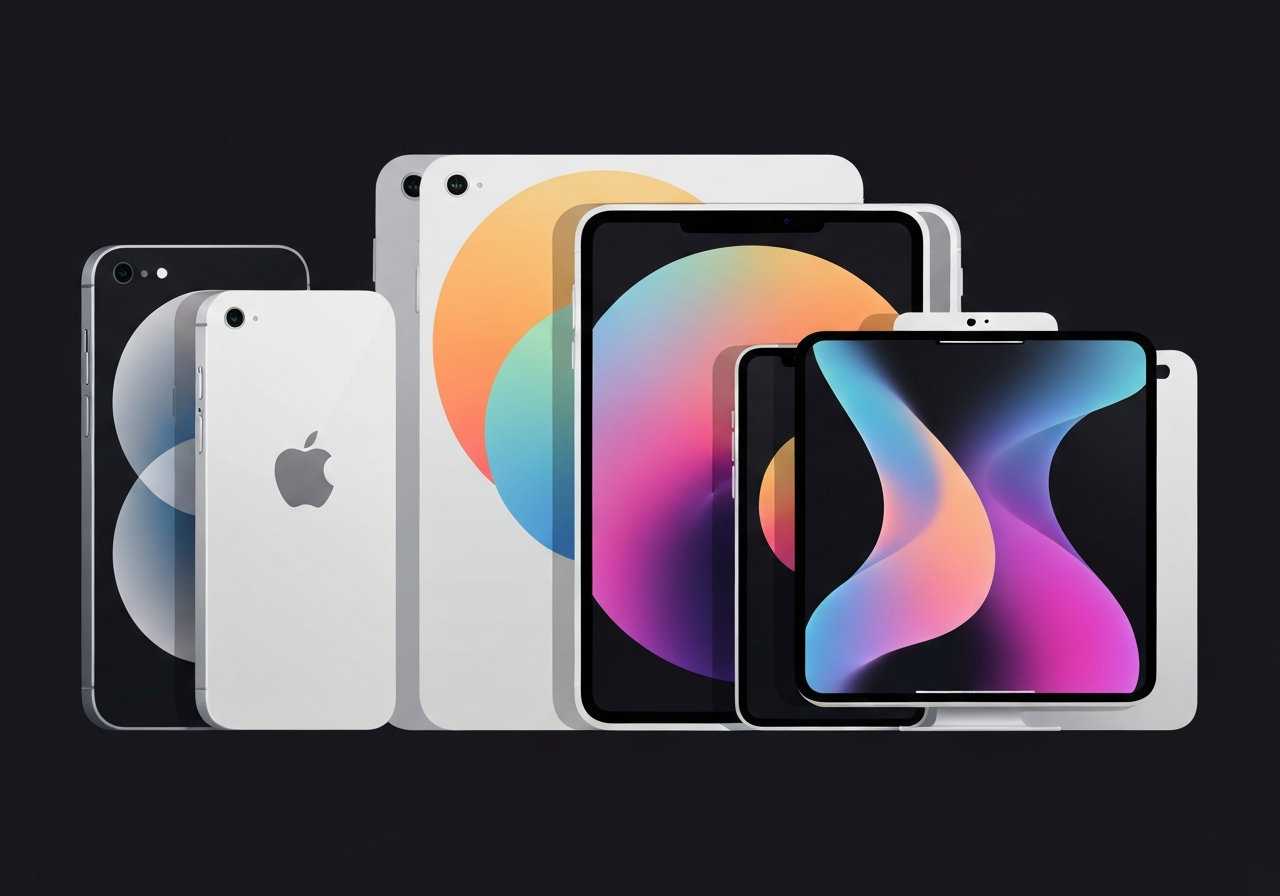
Apple is preparing an early‑2026 product push that will include a new iPhone 17e model alongside refreshed entry‑level and Air iPads and updated Mac laptops, sources reported on Feb. 8, 2026. CEO Tim Cook used a recent all‑hands meeting to discuss immigration, artificial intelligence and Apple’s 50th anniversary, according to the report. The company has also pared back plans for a large new health service, shifting expectations for its next phase in digital health. Those moves come even as Apple rode a strong recent quarter, highlighting a mix of momentum and new strategic dilemmas.
Key Takeaways
- Apple plans a product push in early 2026 centered on the iPhone 17e, updated iPad models and refreshed Mac laptops, per a Feb. 8, 2026 report.
- The iPhone 17e is positioned as a new model in the 17 series; Bloomberg’s coverage describes it as part of a broader lineup refresh for the year.
- Planned iPad updates include a revised entry‑level iPad and a new iPad Air iteration, signaling a refresh across consumer and mid‑tier tablets.
- Mac updates are expected to include refreshed MacBook Pro hardware, continuing Apple’s recent cadence of laptop revisions.
- CEO Tim Cook addressed immigration, AI and Apple’s 50th anniversary in an internal all‑hands, underscoring cultural and strategic priorities.
- Apple has scaled back ambitions for a major new subscription health service, according to the same reporting, though the company remains active in health features and devices.
- The company’s recent strong quarter has not removed pressure to define a clearer approach to AI and services that could drive future growth.
Background
Apple celebrates its 50th anniversary in 2026, marking five decades since the company’s founding in 1976. Over that span, product refresh timing and platform shifts have been central to Apple’s strategy, with iPhone, iPad and Mac lines periodically updated to sustain revenue and ecosystem engagement. In recent years Apple has broadened its focus beyond hardware into services—music, cloud, payments and health—seeking recurring revenue streams to complement device sales.
Apple’s interest in health services has been visible through hardware (Apple Watch sensors) and software (Health app), plus smaller partnerships with healthcare providers. Ambitions to expand into larger subscription health offerings have faced technical, regulatory and partnership hurdles. Simultaneously, the arrival of more powerful AI tools across the tech industry has pressured hardware makers to define how artificial intelligence will be integrated on devices and in cloud services.
Main Event
According to reporting published Feb. 8, 2026, Apple’s near‑term product roadmap will emphasize both a new iPhone variant labeled 17e and updates to the iPad and Mac families. The timing suggests Apple wants to start the year with visible hardware momentum, likely to support sales and developer interest ahead of later announcements tied to software and services.
Details on the iPhone 17e remain limited in public reporting; the model appears intended to broaden the 17 lineup’s reach rather than act as a flagship successor. iPad efforts reportedly include revisions to the baseline iPad and a refreshed iPad Air, which would address both entry‑level buyers and midmarket consumers who seek a balance of price and performance.
Mac updates are expected to focus on the MacBook Pro line, continuing Apple’s multi‑year transition to in‑house silicon and periodic performance upgrades. Hardware refreshes typically aim to improve battery life, processing power and thermal performance while maintaining the macOS ecosystem for creative and professional users.
The Bloomberg report also says that Apple has scaled back a planned, larger health subscription service. While the company continues to expand health features and partnerships, the setback indicates challenges in turning health into a new, sizable recurring revenue stream on the timetable some investors or executives may have hoped for.
Analysis & Implications
A concentrated product push early in 2026 can serve several strategic aims: stimulate device revenue after a strong quarter, give developers new hardware targets, and shape media and customer attention ahead of software updates later in the year. For Apple, balancing premium margins with accessible models like an “e” variant could help defend share against lower‑cost competitors while preserving brand positioning.
The reported scale‑back of a major health service highlights the complexity of competing in health care, where data privacy, regulatory approvals and provider partnerships are bottlenecks. Apple’s hardware advantage—sensors and device integration—remains an asset, but converting that into broad clinical services or subscription revenue is a longer, more complex task than building features into existing devices.
On artificial intelligence, Apple faces a doctrinal choice: emphasize on‑device, privacy‑focused AI that runs locally, or lean more heavily on cloud‑based models that can iterate faster but raise privacy and dependency questions. Tim Cook’s internal remarks on AI signal that Apple sees the technology as a strategic inflection point; how the company positions AI across iOS, iPadOS and macOS will affect developers, partners and regulatory scrutiny.
Comparison & Data
| Product | Typical public refresh cadence (approx.) | 2026 reported plan |
|---|---|---|
| iPhone | Annually | iPhone 17e added early 2026 |
| iPad (entry/mid) | Every 1–2 years | Updated entry iPad and iPad Air |
| MacBook Pro | Every 1–2 years | Refreshed MacBook Pro expected |
The table above is a broad comparison of historically observed refresh patterns and the reported 2026 plans. It is intended to provide context for the reported moves, not to assert exact release schedules or specifications.
Reactions & Quotes
“Apple is planning an early‑2026 product push, including the iPhone 17e and refreshed iPads and Macs,” as reported in the Bloomberg Power On newsletter.
Bloomberg / Power On (news analysis)
“The company has scaled back plans for a major new health service,” the report added, reflecting a shift in Apple’s services roadmap.
Bloomberg / Power On (news analysis)
Unconfirmed
- Exact launch dates, pricing and hardware specifications for the iPhone 17e, updated iPads and Macs are not confirmed publicly and remain subject to change.
- Details about the scope and reasons for scaling back the health service—whether technical, regulatory or commercial—have not been disclosed in full.
- The precise content of Tim Cook’s internal remarks and any follow‑up actions from Apple executives beyond what reporters summarized are not independently verified here.
Bottom Line
Apple appears to be starting 2026 with a classic hardware‑led play: broaden the product lineup with an iPhone 17e and refresh iPads and Macs to sustain sales momentum. Those moves can shore up device revenue and give developers new targets, but they do not resolve longer‑term strategic questions about AI direction and services growth.
The reported pullback on a major health subscription service underscores how hard it is to turn hardware prowess into new, scaled health offerings quickly. Investors and partners should watch product launch timing, Apple’s AI positioning (on‑device vs cloud), and any further signals about services strategy as the company marks its 50th year.