
Lead
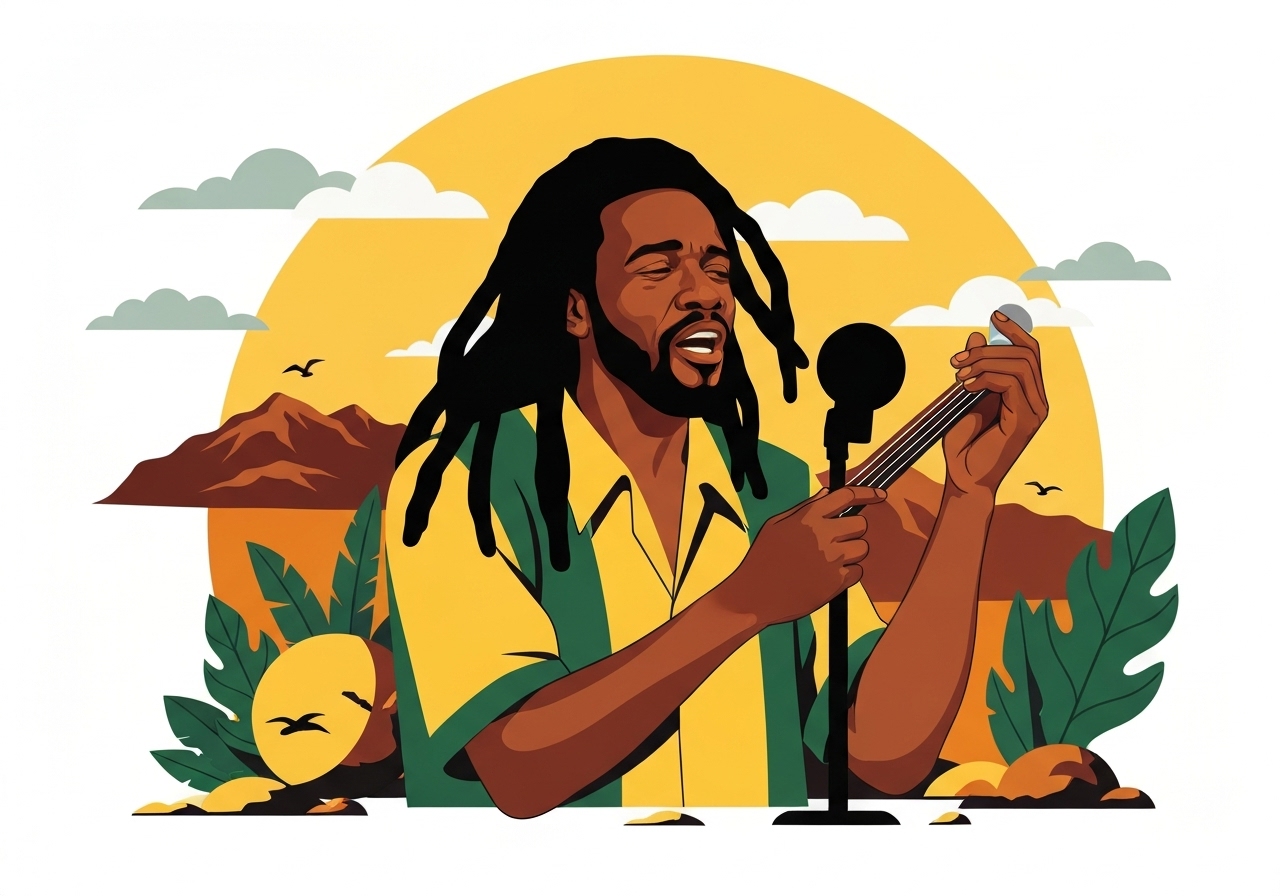
Jimmy Cliff, the Jamaican singer and actor whose work helped carry reggae onto the world stage, died on 24 November 2025 at the age of 81. His wife, Latifa Chambers, announced on Instagram that he suffered a seizure followed by pneumonia. Cliff’s family — including children Lilty and Aken — thanked fans and collaborators for their support. He is remembered both for chart hits and for his starring role in the landmark 1972 film The Harder They Come.
Key Takeaways
- Jimmy Cliff died on 24 November 2025 at age 81; family reported a seizure followed by pneumonia.
- He was born in Saint James, Jamaica, in 1944 and rose to prominence after moving to Kingston in the early 1960s.
- Major hits include Wonderful World, Beautiful People (UK No. 6 in 1969), You Can Get It If You Really Want and a 1994 hit cover of I Can See Clearly Now.
- Cliff starred in the 1972 film The Harder They Come; its soundtrack was key to bringing reggae to international audiences, especially in the US after a 1975 release.
- He received the Jamaican Order of Merit and earned two Grammy wins from seven nominations across his career of more than 30 studio albums.
- Cliff collaborated with artists from the Rolling Stones to Tim Armstrong and released his most recent album, Refugees, with Wyclef Jean in 2022.
- He briefly stepped away from music in the late 1970s to travel in Africa and convertido to Islam; his 1978 album Give Thankx reflected those experiences.
Background
Born in Saint James parish in 1944, Cliff relocated to Kingston in the early 1960s, where he began working with producer Leslie Kong. Kong’s Beverley’s label and record shop were central to early reggae production; Cliff even wrote a song namechecking the shop to secure Kong’s attention. He won local popularity and represented Jamaica at the 1964 New York World’s Fair, but his international profile rose after signing with Island Records later in the decade.
Initially promoted in part to rock audiences, Cliff’s early London years were a difficult cultural adjustment and he later described experiencing racism there. Musically, he blended upbeat rhythms with socially conscious lyrics — a combination that surfaced in songs such as Vietnam and Wonderful World, Beautiful People. That 1969 single reached No. 6 in the UK and helped establish him as a bridge between Jamaican popular music and international listeners.
Main Event
The family announcement on 24 November 2025 said Cliff had a seizure and then developed pneumonia, leading to his death. His wife, Latifa Chambers, posted the statement on Instagram, signed also by their children Lilty and Aken, asking fans to honor his wishes and thanking those who supported him. The news prompted immediate tributes from Jamaican leaders and international musicians who cited both his recordings and his cultural influence.
Cliff’s film work, especially his lead in Perry Henzell’s The Harder They Come (1972), amplified his impact: the movie’s soundtrack, which paired Cliff with contemporaries such as Desmond Dekker and Toots & the Maytals, played a major role in introducing reggae to new markets. When the film reached US audiences in 1975 it helped seed a wider appreciation for Jamaican music and its political and social themes.
Through the 1970s and beyond Cliff continued to record and tour, with notable moments including a Saturday Night Live appearance and a period of reflection and travel in Africa that influenced his late-1970s work. The 1994 cover of I Can See Clearly Now — featured on the Cool Runnings soundtrack — brought him renewed chart success, topping the French charts and returning him to the UK Top 40.
Analysis & Implications
Cliff’s career illustrates how a single artist can shape a musical genre’s global trajectory: his recordings and film work created entry points for non-Jamaican audiences to engage with reggae’s rhythms and messages. The Harder They Come in particular functioned as a cultural export that translated local stories into international attention, accelerating reggae’s diffusion in the 1970s and beyond.
Politically and socially, Cliff’s songs often paired buoyant melodies with pointed commentary — Vietnam is a notable example — which widened reggae’s reach by making serious themes accessible. That balancing act helped reggae influence both popular music and protest cultures across the globe, and it informed subsequent generations of artists who mixed social critique with mainstream forms.
Economically, Cliff’s sustained career, his collaborations with major international acts, and his later Grammy recognition contributed to a longer-term market for reggae in global music industries. His 30-plus studio albums and continuing touring underscored a model of longevity that many artists seek: periodic reinvention combined with steady engagement with core audiences and new collaborators.
Comparison & Data
| Year | Work | Notable Result |
|---|---|---|
| 1969 | Wonderful World, Beautiful People | UK chart peak No. 6 |
| 1972 | The Harder They Come (film & soundtrack) | International exposure; US release 1975 |
| 1994 | I Can See Clearly Now (cover) | Returned Cliff to UK Top 40; No. 1 in France |
| 1978 | Give Thankx | Influenced by African travels and spiritual change |
| 2022 | Refugees (with Wyclef Jean) | Most recent studio album |
| — | Awards | Jamaican Order of Merit; 2 Grammy wins from 7 nominations |
The table highlights how peak commercial moments were spaced across decades, reflecting longevity rather than a single-era peak. The Harder They Come soundtrack’s delayed US release in 1975 shows how cultural products can have staggered global impact; the 1994 revival via a film soundtrack demonstrates the recurring role of cinema in renewing musical profiles.
Reactions & Quotes
Public and official reactions poured in after the family’s announcement, combining personal tributes with reflections on Cliff’s national and cultural significance. Jamaica’s prime minister expressed the government’s view of Cliff as a central cultural figure whose work projected Jamaican life internationally.
“a true cultural giant”
Andrew Holness, Prime Minister of Jamaica (official statement)
Cliff’s family framed the death in intimate terms while asking for privacy and honoring his connection to fans worldwide. They emphasized that fan support had been a sustaining force across decades.
“may you rest in peace”
Latifa Chambers (family Instagram statement)
Unconfirmed
- Exact medical chronology prior to death beyond the family statement has not been publicly released and remains unconfirmed by hospital records.
- Any pending tributes or state honors beyond those already announced by officials have not been confirmed at the time of publication.
Bottom Line
Jimmy Cliff’s death marks the end of a career that both reflected and shaped the global rise of reggae. From early Kingston sessions with Leslie Kong to landmark film work and cross-genre collaborations, his music carried Jamaican stories to international audiences across six decades.
His legacy will be measured in recordings, films and the artists he influenced, and in the way reggae became a durable, global musical language. In the months ahead, estate statements, retrospectives and reissues are likely; scholars and fans will continue to reassess the cultural and political reach of his work.