
Lead
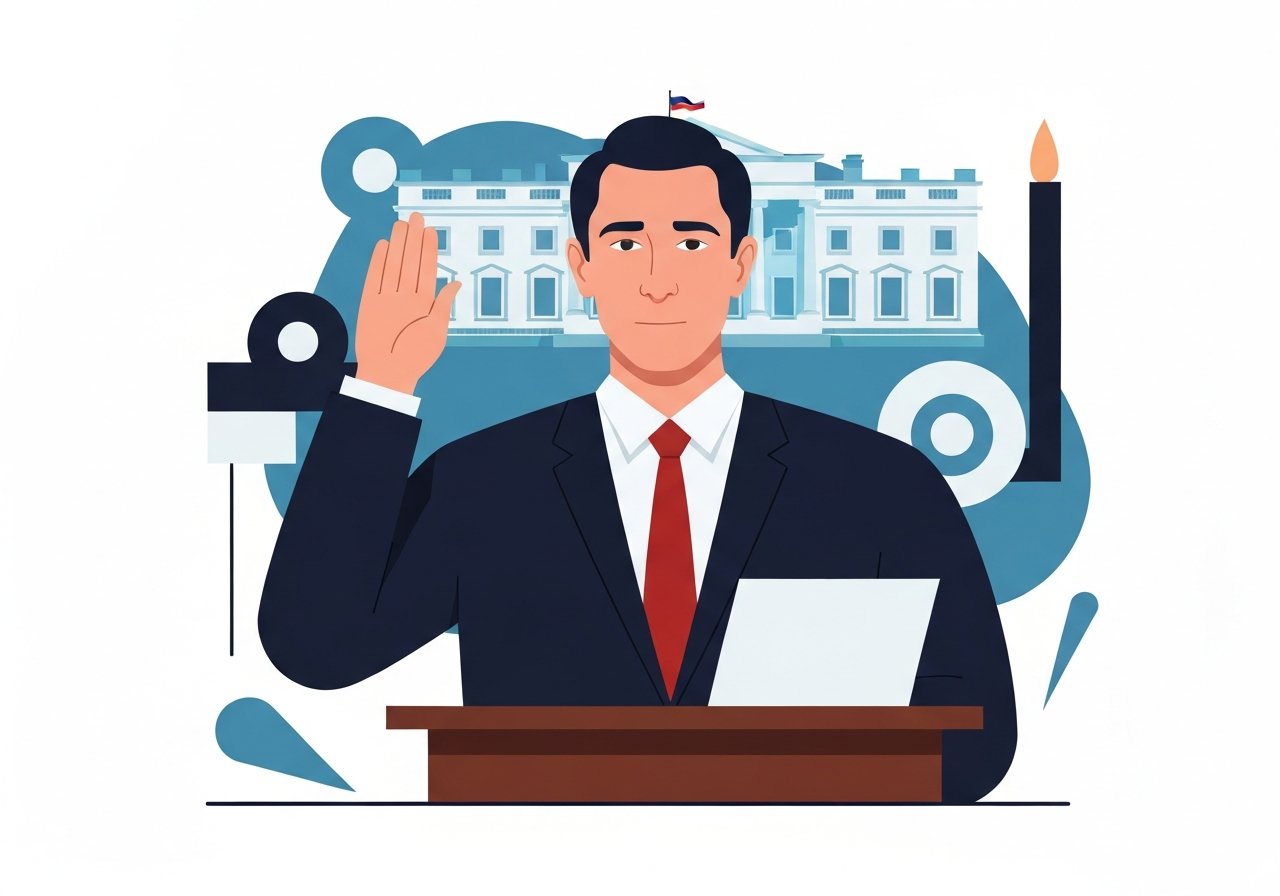
Kevin Warsh, 56, was sworn in as chair of the Federal Reserve Board of Governors on Friday, succeeding Jerome Powell, who led the central bank since 2018. His confirmation followed a sharply divided Senate vote after a contentious nomination process in which only Senator John Fetterman broke with most Democrats to advance the appointment. Warsh assumes the role as the Fed faces mounting inflationary pressures and intensified scrutiny over its independence amid White House interest-rate pressure. The first policy meeting he will preside over is scheduled for June 16-17.
Key Takeaways
- Kevin Warsh, 56, sworn in as Fed chair after Senate votes split largely along party lines; only Sen. John Fetterman crossed ranks to support advancing the nomination.
- Warsh replaces Jerome Powell, who served as Fed chair from 2018 until this handover.
- The Fed faces elevated inflation: consumer prices rose 0.6% in April and 3.8% year-on-year, the largest annual increase in three years.
- Energy prices have surged 17.9% over the past 12 months, contributing to overall inflationary pressure.
- Average US petrol price is $4.56 per gallon, up from $2.98 on 28 February after recent military action in the Middle East.
- Markets and central bank minutes signal a high probability that policy rates will remain unchanged at the next meeting; CME Group’s FedWatch shows a 97% chance of no move.
- Warsh cannot act alone on rates: he is one of 12 voting members on the Federal Open Market Committee (FOMC).
Background
The Federal Reserve’s chairmanship has long been considered a role insulated from partisan politics, intended to keep monetary decisions driven by economic data rather than electoral cycles. That customary independence has been tested recently as the White House has publicly urged rate cuts in response to political priorities. The appointment of a new chair at such a moment therefore drew intense attention from lawmakers, markets and economists.
Kevin Warsh served in public and private finance roles before his nomination; his confirmation process became a battleground over perceived political alignment. During President Joe Biden’s administration Warsh opposed cutting interest rates, but the confirmation record shows he shifted publicly after President Donald Trump signaled in December 2025 he would only nominate a chair who supported looser policy. Those shifts were central to Senate questioning and public debate about the Fed’s autonomy.
Main Event
Warsh took the oath on Friday after the Senate approved his nomination to the Board and his elevation to chair in votes largely split by party. The floor votes followed a Senate Banking Committee hearing where Democrats pressed him on his independence and past positions. Senator Elizabeth Warren described Warsh as overly aligned with the White House; Warsh denied the charge during his hearing and pledged to make policy decisions based on economic analysis.
President Trump, present for the swearing-in remarks, publicly urged neutrality, saying he wanted Warsh to act independently: “I want Kevin to be totally independent and do a great job. Don’t look at me and don’t look at anybody. Just do your own job.” Warsh, for his part, acknowledged the scale of the economic task ahead and said he was “not naive” about the challenges and that lower inflation and healthy growth were both achievable objectives.
Operationally, Warsh inherits a Fed that must balance sticky price gains with a labour market that has remained resilient. He will lead the first meeting on June 16-17, where policymakers will review the latest data, staff forecasts and global developments before issuing a new statement and any guidance on policy. Although the chair sets the tone, decisions require the support of a majority of FOMC voting members.
Analysis & Implications
Warsh’s appointment comes at a crossroads: inflation readings have accelerated from March to April and energy costs have been a major driver. That dynamic reduces the latitude for early rate cuts and increases the chance the Fed may keep policy restrictive longer than some market participants expect. Central bank minutes released after the April meeting highlighted staff concerns that recent trends could make inflation more persistent, a conclusion cited by several analysts as justification for caution.
Political pressure for rate cuts complicates the Fed’s communications challenge. Public calls from the White House for easier policy risk eroding the Fed’s traditionally apolitical posture, even if the institution legally remains independent. Markets will watch Warsh’s language closely for signals about how he will weigh short-term political noise against medium-term price stability goals.
Economically, sustained elevated inflation would erode real incomes and could force the Fed to keep rates higher for longer, raising borrowing costs for households and businesses. Internationally, a U.S. central bank that tightens or keeps policy restrictive can strengthen the dollar and transmit tightening to emerging markets, especially those with dollar-denominated debt.
Comparison & Data
| Indicator | Latest | Prior |
|---|---|---|
| Monthly CPI (April) | +0.6% | +0.9% (March) |
| Annual CPI | +3.8% vs 2025 | — |
| Energy price change (12 months) | +17.9% | — |
| Average petrol price (US) | $4.56 per gallon | $2.98 on Feb 28 |
The table summarizes the latest consumer price readings and fuel costs that have influenced policy debates. The monthly uptick in April followed an even larger rise in March, reinforcing concerns about momentum in prices. Energy’s near-18% annual jump has been a disproportionate contributor to headline inflation, and movements in fuel prices have a direct, rapid effect on consumer costs. These numbers are central to how Fed staff model future inflation and to the FOMC’s policy calculus ahead of the June meeting.
Reactions & Quotes
“I want Kevin to be totally independent and do a great job. Don’t look at me and don’t look at anybody. Just do your own job.”
President Donald Trump (opening remarks at swearing-in)
Trump’s remarks sought to publicly emphasize the independence of the Fed chair even as his administration has lobbied for rate cuts. Markets are weighing whether that reassurance will be reflected in policy distance from the White House.
“I am not naive about the economic challenges ahead — inflation can come down while growth remains strong.”
Kevin Warsh (after being sworn in)
Warsh’s statement framed his immediate priorities: rein in inflation while trying to sustain growth. Analysts will judge subsequent communications and votes for evidence of consistent data-driven decision-making.
“With inflation having run significantly above 2 percent over the past five years… the staff viewed the possibility that inflation would be more persistent than anticipated as a salient risk.”
Federal Reserve staff (April meeting minutes)
The Fed’s own minutes noted upside risks to persistence in inflation — a point repeatedly cited by economists arguing against premature easing of policy.
Unconfirmed
- Whether the White House will directly attempt to influence specific votes on FOMC actions beyond public statements remains unclear and is not documented.
- Any immediate pivot to rate cuts by the Fed before the June 16-17 meeting is speculative and not supported by the latest Fed minutes or market pricing.
- Longer-term changes to Fed governance or formal restrictions on independence tied to this appointment have not been proposed or confirmed.
Bottom Line
Kevin Warsh assumes the Fed chair amid a fraught mix of political scrutiny and upward pressure on prices. The near-term policy path appears constrained by recent inflation readings and by Fed staff warnings that price pressures may be more persistent than previously thought. Markets currently assign a high probability that the Fed will not cut rates at the next meeting, leaving Warsh’s early tenure focused on credibility and clear, data-driven communication.
Over the coming months, observers should watch the June 16-17 meeting for shifts in forward guidance, the composition of votes among FOMC members, and how Warsh balances public expectations with the Fed’s technical assessments. His ability to maintain institutional independence while navigating political pressure will shape both domestic economic outcomes and international financial spillovers.
Sources
- Al Jazeera article (news report)
- U.S. Bureau of Labor Statistics — Consumer Price Index (official statistics)
- American Automobile Association — Fuel Price Tracker (industry data)
- Federal Reserve — meeting minutes and policy materials (official)
- CME Group — FedWatch Tool (market probability tracker)
- JPMorgan Chase — economic analysis (bank research)