
Lead
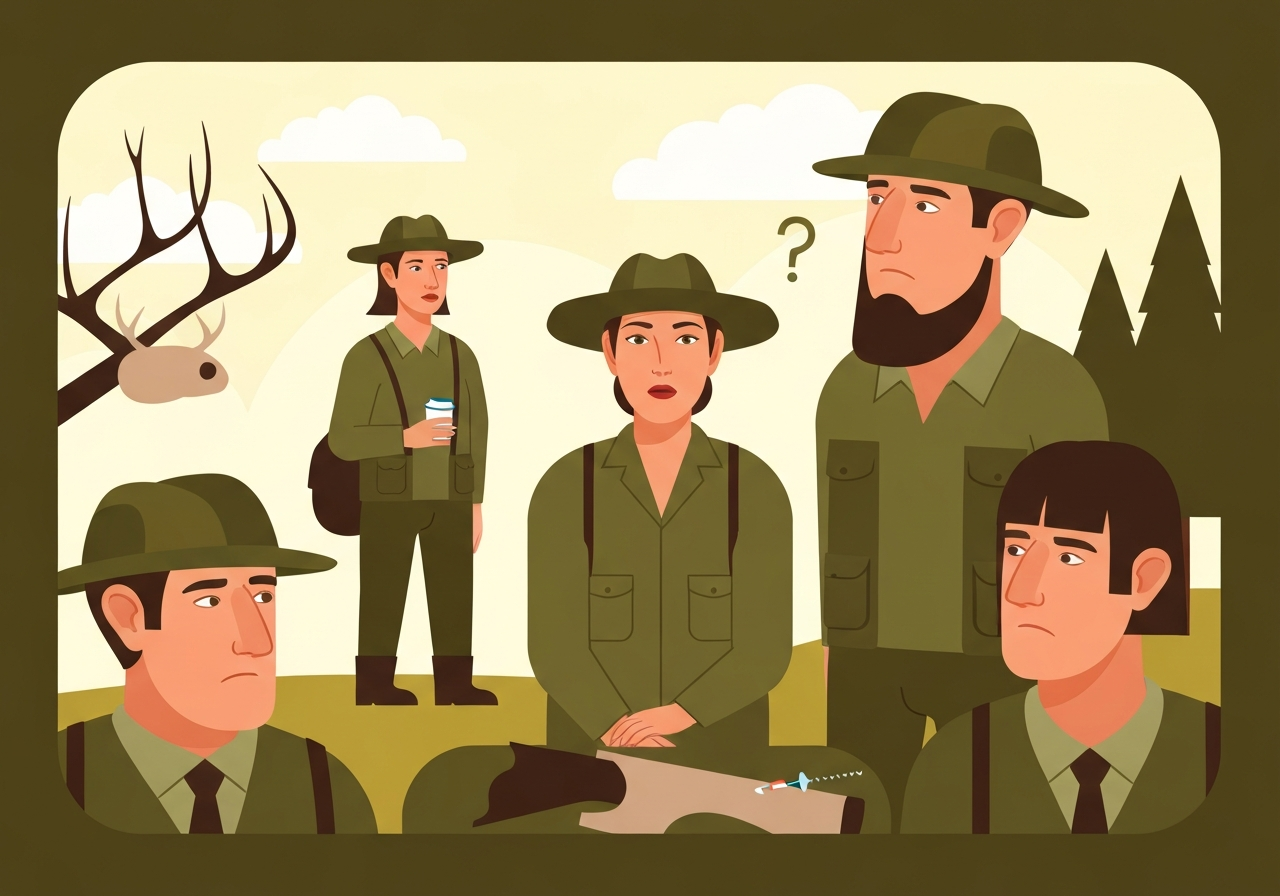
This summer, as tick season intensifies across expanding ranges, hunters at the Busch Shooting Range in Weldon Spring, Missouri, weighed in on a potential new Lyme disease vaccine. KFF Health News spoke with seven hunters and one hiker in late June 2026; most said they would consider vaccination if evidence shows the product is safe and effective. Pfizer and Valneva plan to seek regulatory approval for a four-dose candidate that missed one trial threshold but was estimated to reduce cases by about 75%. Opinions among the group ranged from enthusiastic acceptance to cautious hesitancy, reflecting broader questions about trust, access and risk perception.
Key Takeaways
- About 476,000 people in the U.S. may be diagnosed and treated for Lyme disease each year, according to the Centers for Disease Control and Prevention.
- Pfizer and Valneva’s four-dose vaccine candidate showed roughly 75% effectiveness in trials but fell short of one predefined success threshold because too few participants developed Lyme during the study.
- Interviewed at Busch Shooting Range, eight outdoor enthusiasts (seven hunters, one hiker) said six would consider the vaccine with more safety and efficacy data; one was firmly opposed.
- A prior Lyme vaccine introduced in the late 1990s was withdrawn three years later amid lawsuits, public concern about side effects and low uptake; that history still factors into public perceptions.
- HHS Secretary Robert F. Kennedy Jr., who has publicly prioritized Lyme issues, could influence acceptance among populations that otherwise express vaccine skepticism.
- Hunters’ direct exposure to ticks makes them a key at-risk group, but individual risk perception varied sharply—from many knowing a person with severe, lingering symptoms to others reporting few cases among their peers.
Background
Ticks and tick-borne illnesses are on the rise in the U.S. as climate change alters habitats and lengthens seasons of activity. Lyme disease, caused by Borrelia bacteria transmitted by Ixodes ticks, can cause fever, headaches, joint pain and, in severe cases, neurologic or cardiac complications. The CDC estimates that roughly 476,000 Americans are diagnosed and treated for Lyme annually, and public-health surveillance shows that the geographic footprint of reported cases has expanded significantly since 1995.
Vaccination against Lyme is not new: a vaccine appeared in the late 1990s but was withdrawn three years later amid litigation, public fear about side effects and low market demand. Decades later, Pfizer and Valneva revived efforts with a new four-dose candidate; companies say they will seek regulatory authorization despite the vaccine missing one statistical target in trials because of low case counts among participants. Regulatory review and public messaging will shape whether a licensed vaccine reaches populations at greatest risk.
Main Event
On a recent Saturday in late June 2026 at the Busch Shooting Range near St. Louis, Missouri, eight outdoor enthusiasts discussed how they would approach a Lyme vaccine. Jess Manganelli, who had been turkey hunting the prior weekend, was the most positive and said she would take the vaccine because of her frequent exposure. Several others said they would consider it if independent safety and effectiveness data were clear and if their personal risk justified vaccination.
Personal experience shaped many respondents’ thinking. Manganelli described a past tick bite followed by months of weakness and fatigue that was never formally tested for Lyme. Conservationist and hunter Steven Rinella recounted his and his son’s infection 13 years ago during a fishing trip, noting his son developed Bell’s palsy but recovered after oral antibiotics, while Rinella required a month of intravenous antibiotics and months of recovery.
Not every hunter saw themselves at high risk. Jeremy Hollingshead said that despite lifelong time in the woods, he personally knows only one hunter who contracted Lyme among hundreds of peers, so he judges his odds as low. Julian Barnes said family illness made him more open to vaccination despite general vaccine hesitancy; he emphasized he would need detailed information on how the vaccine works. One participant, JP Cummings, said he would decline, preferring to rely on his natural resilience, though he remained curious about what others would decide.
Analysis & Implications
Acceptance of a Lyme vaccine will hinge on multiple intertwined factors: clear evidence of safety and durability, transparent regulatory review, recommendations from trusted clinicians and organizations, and practical access through clinics and insurers. The candidate’s reported ~75% effectiveness is meaningful at a population level if broadly deployed, but a four-dose schedule may complicate adherence, especially in rural areas with limited health services.
Public trust will be tested in the post-COVID era, when vaccination became politicized for many groups. HHS Secretary Robert F. Kennedy Jr.’s prominence on Lyme issues could sway some vaccine-skeptical constituencies if he publicly endorses an approved product, but his prior activism on vaccines also adds complexity: endorsement may reassure some and raise concerns for others depending on local trust networks.
Regulatory and payer decisions—on labeling, target age groups, reimbursement and rollout strategy—will influence uptake. If state or federal programs prioritize high-incidence regions and at-risk occupations (such as hunters, foresters and outdoor workers), early impact on case counts could be measurable. Conversely, uneven messaging, lingering litigation fear from the 1990s, or reports of rare adverse events could depress demand and limit potential public-health benefits.
Comparison & Data
| Characteristic | Late-1990s Vaccine | Pfizer/Valneva Candidate (2026) |
|---|---|---|
| Availability | Introduced late 1990s, withdrawn ~3 years later | Planned regulatory submission in 2026 |
| Dosing | Multidose regimen | Four-dose schedule reported in trials |
| Trial outcome | Market withdrawal after safety concerns and low uptake | ~75% effectiveness reported; missed one statistical bar due to low case numbers |
This simplified comparison highlights that the new candidate differs primarily in trial-era data and corporate sponsorship, but shares challenges: multi-dose logistics and a public memory of prior controversy. For communities with high tick exposure, a vaccine that reduces cases by roughly three-quarters could materially lower diagnoses, but impact depends on coverage, adherence to the full series and sustained effectiveness over time.
Reactions & Quotes
Interviewees and experts provided a mix of personal testimony and public-opinion context surrounding vaccine acceptance.
Conservationist and hunter Steven Rinella described long-term effects from his infection and why he would consider vaccination if it proved protective:
I thought my life had changed — the symptoms lingered for months — but I recovered, as far as I know.
Steven Rinella, hunter and host of MeatEater
Ashley Kirzinger of KFF, who studies public opinion on health, framed how endorsement from a high-profile official could shift attitudes among otherwise skeptical groups:
If the secretary comes out as a strong proponent and highlights that his administration made a vaccine available, I would expect less resistance among his supporters.
Ashley Kirzinger, KFF associate director for Public Opinion and Survey Research
At the range, JP Cummings summed up a pragmatic outlook some hunters shared, combining skepticism with community care:
I kind of hand it off to God and the body he gave me. I’m pretty durable — but I’ll watch what fellow hunters do.
JP Cummings, hunter (interview)
Unconfirmed
- Exact timeline for regulatory review and an FDA decision is not yet public; companies have said they will seek approval but have not provided final submission dates.
- Long-term durability of protection (beyond trial follow-up) and the vaccine’s performance across different age groups remain to be established.
- Whether HHS Secretary Robert F. Kennedy Jr. will publicly endorse a licensed product—and how that would affect uptake across different political constituencies—remains uncertain.
- The vaccine’s final price, insurance coverage and availability in rural clinics or pharmacies are currently unknown and will affect access.
Bottom Line
A licensed Lyme vaccine could fill a clear public-health need by reducing the hundreds of thousands of U.S. diagnoses each year, particularly for people with frequent outdoor exposure. However, uptake will depend on a combination of clear trial evidence on safety and duration, straightforward messaging from trusted clinicians and organizations, and pragmatic steps to make the multi-dose series accessible and affordable in rural areas.
Hunters and other at-risk groups show a range of responses: many are receptive but cautious, requesting solid data; a few remain opposed on principle. Policymakers and health communicators should prepare targeted outreach, real-world monitoring and easy points of access so that a licensed vaccine can achieve meaningful coverage and measurable reductions in Lyme disease burden.
Sources
- NPR / KFF Health News reporting on hunter interviews (news/nonprofit).
- Centers for Disease Control and Prevention — Lyme disease information and estimates (official public health agency).
- Pfizer press releases and vaccine announcements (company).