
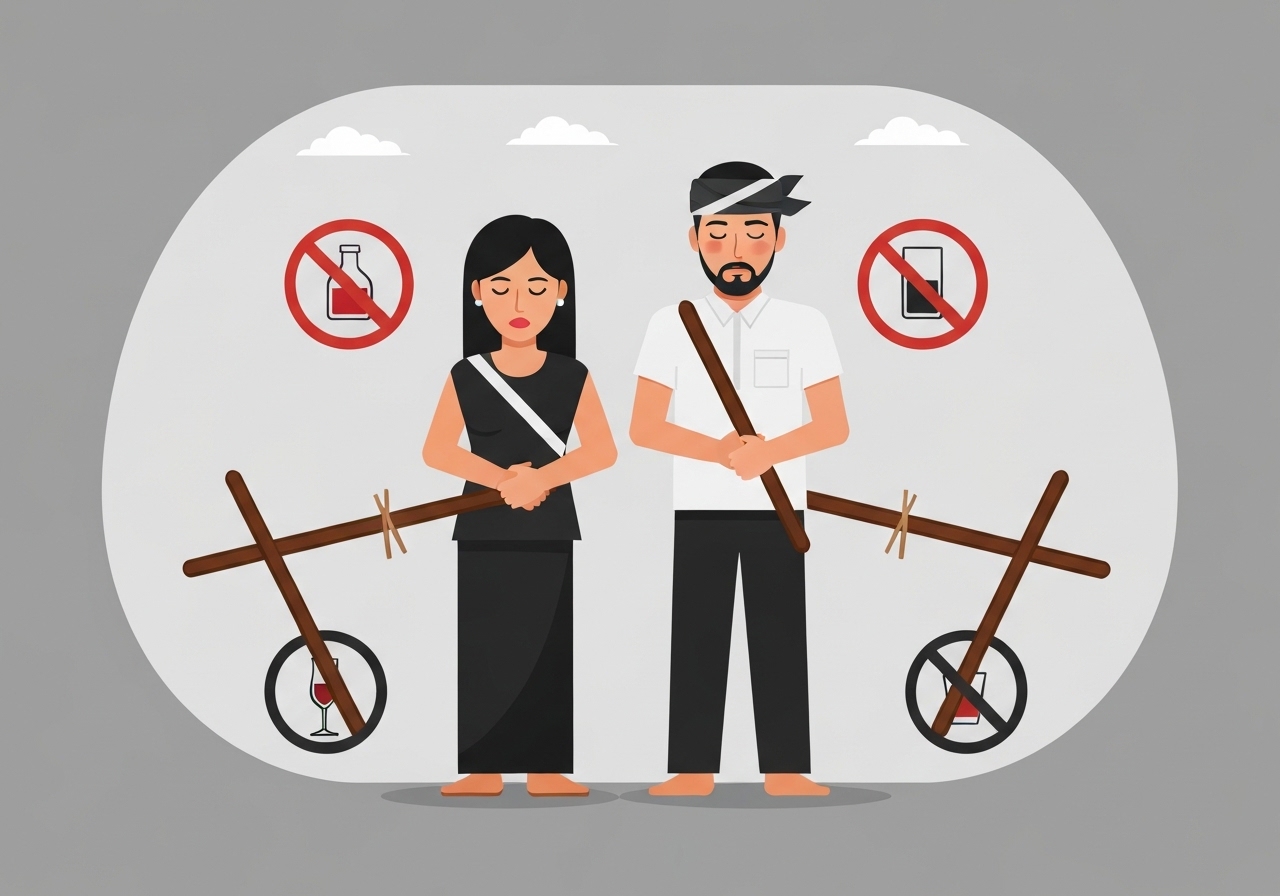
Lead: On Jan. 29, 2026, in Banda Aceh, Indonesia, local Sharia police publicly caned a man and a woman 140 times each after finding them guilty of having sex outside marriage and consuming alcohol. The punishments—100 lashes for sexual relations outside marriage and 40 for drinking—were carried out in a public park where dozens watched, and the female recipient fainted and was taken to an ambulance. Officials said the sentences reflect enforcement of Aceh’s sharia-based ordinances, enacted under the province’s special autonomy. Observers say the episode is among the most severe public flogging incidents since sharia was expanded in the province after 2001.
Key Takeaways
- The couple received 140 lashes each: 100 for having sex outside marriage and 40 for drinking alcohol, according to Muhammad Rizal, head of Banda Aceh’s Sharia police (AFP/CBS report).
- The caning was public and took place in a Banda Aceh park on Jan. 29, 2026, with dozens of onlookers; a woman fainted after the punishment and required medical attention.
- Six people were flogged that day, including a sharia police officer and his partner who were given 23 strokes each for being in close proximity in a private place.
- Aceh is the only Indonesian province authorized to implement a local version of Sharia under the 2001 special autonomy arrangement; the federal government does not directly enforce those local sharia ordinances.
Background
Aceh province was granted special autonomy in 2001 following a long separatist conflict; part of that autonomy allows the local government to enact and enforce sharia-based regulations. Over the past two decades local sharia institutions and sharia police units (wilayatul hisbah) have applied corporal punishment to a range of moral and public-order offenses. Those measures are supported by a significant segment of Aceh’s conservative populace and defended by local officials as consistent with community values.
Nationally, Indonesia does not criminalize consensual same-sex relations in most provinces, but Aceh’s autonomy creates a legal divergence: its local sharia codes establish distinct criminal categories and penalties that the provincial apparatus enforces. Human rights groups and some legal scholars have repeatedly criticized Aceh’s caning practices as incompatible with international human rights standards, while provincial authorities argue they are upholding local law and moral order.
Main Event
According to AFP coverage carried by CBS News, the two people caned on Jan. 29 were publicly struck with a rattan cane in a Banda Aceh park. The woman fainted after receiving her lashes and was escorted by medical personnel to an ambulance. Local Sharia police chief Muhammad Rizal provided the breakdown of penalties: 100 lashes for sex outside marriage and 40 for alcohol consumption.
Officials said the pair were among six individuals punished during the same enforcement action. Another couple, including a member of the sharia police force and his partner, were given 23 strokes each after being found in close proximity in a private place; Rizal told reporters that no exceptions would be made for sharia personnel who break the code.
The event drew a public crowd, as is common for many sharia-ordered punishments in Aceh, where canings are often held in communal spaces to serve both as penalty and deterrent. Medical teams were present; authorities reported the woman who fainted received emergency assistance on site. Local coverage emphasized enforcement consistency and public order as official rationales.
Analysis & Implications
At face value, the incident underscores the jurisdictional complexity within Indonesia: national legal norms diverge from Aceh’s locally enacted sharia rules because of the province’s special autonomy. That structural separation constrains federal intervention and leaves enforcement in the hands of provincial courts and sharia police, producing legal pluralism with tangible consequences for residents and visitors in Aceh.
Politically, episodes like this tend to polarize debate within Indonesia. Supporters of Aceh’s sharia framework argue that local customs and religious norms justify stringent penalties, while critics—both domestic and international—frame severe corporal punishment as a human rights concern that risks further marginalizing vulnerable groups and undermining Indonesia’s pluralist legal identity.
Economically and socially, highly publicized canings can affect Aceh’s tourism and investment climate by signaling stringent enforcement of conservative social codes. They may also deter certain demographics from travel or residency. Conversely, local officials often present such enforcement as maintaining order and reflecting majority preferences in deeply conservative communities.
Comparison & Data
| Incident | Date/Year | Reported strokes per person | Offense |
|---|---|---|---|
| Banda Aceh mass caning | Jan. 29, 2026 | 140 | Sex outside marriage (100) + alcohol (40) |
| Two men publicly flogged | 2025 | 76 | Found guilty of sexual relations |
| Sharia officer and partner | Jan. 29, 2026 | 23 | Close proximity in private place |
The table provides a concise comparison of reported lash counts in recent public caning events in Aceh. Context matters: sentence totals are determined by local sharia courts and often combine counts for multiple alleged offenses. Official tallies and media reports are the primary public sources for these figures, which vary incident by incident.
Reactions & Quotes
Local officials framed the caning as lawful enforcement of Aceh’s sharia ordinances and emphasized equal treatment, including for sharia personnel who violate the code. Human rights advocates characterized the punishment as a violation of international standards for bodily integrity and dignity.
“As promised, we make no exceptions, especially not for our own members. This certainly tarnishes our name.”
Muhammad Rizal, Head of Banda Aceh Sharia Police (AFP)
“Corporal punishment is incompatible with international human rights norms and raises serious concerns about cruel, inhuman or degrading treatment.”
Office of the UN High Commissioner for Human Rights (OHCHR) — general position
Unconfirmed
- Whether this specific pair’s sentencing represents the single highest number of lashes imposed since 2001 is not independently verified; media reports characterize it as “likely” among the severest but comprehensive sentencing records are not publicly maintained.
- Details about the defendants’ identities beyond gender and the nature of the alleged acts were not publicly released, and some personal claims circulated in social feeds remain unverified.
Bottom Line
The Banda Aceh caning on Jan. 29, 2026, illustrates how Aceh’s unique legal status within Indonesia produces enforcement practices that differ markedly from national norms. The episode highlights persistent tensions between local religiously based regulations and broader human rights frameworks advocated by international organizations.
Observers should watch for potential diplomatic or civil-society responses, shifts in provincial enforcement policies, and any legal challenges within Indonesia’s courts. For residents and visitors, Aceh’s sharia ordinances remain active law; compliance and awareness of local rules are essential to avoid punitive enforcement.