
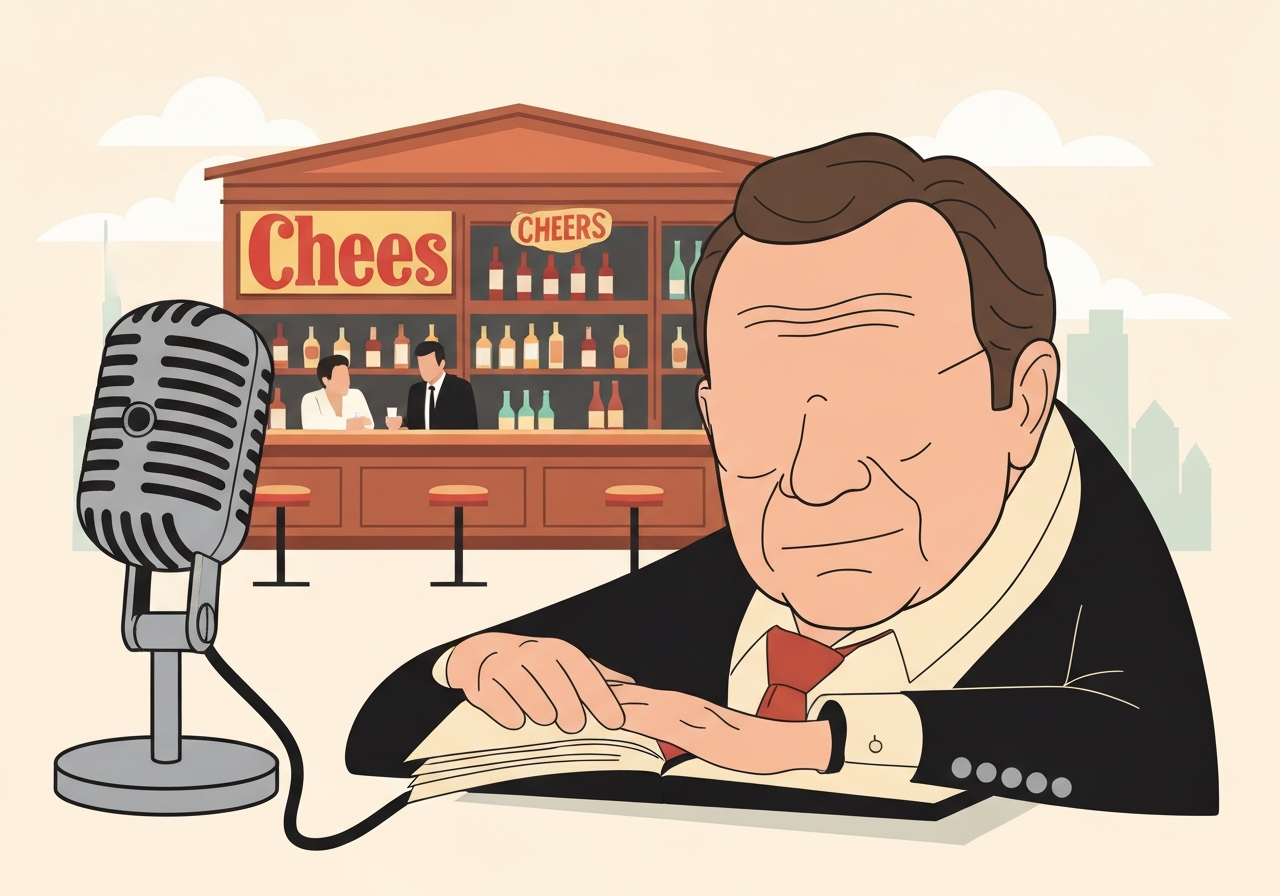
James Burrows, the prolific television director whose career shaped multiple generations of American sitcoms, died Friday at age 85, his family told People. Over a five-decade career he directed more than a thousand television episodes, including landmark work on Cheers, Taxi, Friends and Will and Grace. His family said he “passed away peacefully … surrounded by his family,” and did not provide a location or cause of death. Industry statements from NBC and longtime colleagues praised his craft, generosity and influence on television comedy.
Key Takeaways
- Burrows directed more than 1,000 television episodes over roughly five decades, establishing a signature approach to multicamera sitcoms.
- He co-created Cheers and directed 243 of the series’ 273 episodes, making him a central creative force behind the show.
- He directed every episode of Will and Grace, a total of 246 episodes across the series’ run.
- He began directing television in 1974 at age 35, with early credits on The Mary Tyler Moore Show and The Bob Newhart Show.
- Burrows helmed pilots and multiple episodes of major series, including Frasier, Friends, and the pilots for Two and a Half Men and The Big Bang Theory.
- He directed more than 75 pilots that were ultimately picked up as series, helping launch new shows and talent.
- Born Dec. 30, 1940, in Los Angeles, he studied at Oberlin College and the Yale School of Drama and spent childhood years in New York.
Background
Born James Edward Burrows on Dec. 30, 1940, he moved from Los Angeles to New York at age five and spent part of his youth in the Metropolitan Opera Children’s Chorus. His father, Abe Burrows, was an established writer, director and producer on Broadway, exposing the younger Burrows to theater and production life early on. After earning a bachelor’s degree at Oberlin and attending the Yale School of Drama, he trained in directing and found a lasting interest in guiding actors and shaping stage and screen performances.
Burrows worked in theater and as an assistant on television before breaking into TV directing at 35 in 1974. He apprenticed at MTM Enterprises after writing to Mary Tyler Moore’s production company and was an early proponent of expanding multicamera setups from three to four cameras to better capture performances. That technical and theatrical sensibility became a hallmark of his work, enabling brisk pacing and richer coverage in rehearsed, live-audience sitcoms.
Main Event
News of Burrows’s death was confirmed by his family in a statement provided to People, saying he “passed away peacefully … surrounded by his family.” The family statement highlighted not only his professional accomplishments but also his generosity and the personal attention he gave colleagues. No cause or location of death was disclosed.
Professionally, Burrows’s name is attached to some of television’s most enduring comedies. He co-created Cheers and directed 243 of its 273 episodes, and he directed all 246 episodes of Will and Grace. In between, he contributed multiple episodes to Taxi, Frasier and Friends, and he directed pilots that launched other long-running series.
Colleagues and networks reacted quickly. NBC called him “the man behind the curtain,” praising his ability to shape jokes and elicit performances that resonated with broad audiences. Actors who worked with him for years, including Danny DeVito and Rhea Perlman, emphasized his positive spirit and capacity to lift collaborators at every level.
Analysis & Implications
Burrows’s career illustrates how a director can shape sitcom grammar while remaining largely invisible to the general audience. Unlike auteur filmmakers whose names attract viewers, Burrows worked behind the lens; his influence shows up in pacing, actor relationships and the structure of ensemble comedy. His adoption of a four-camera shoot expanded directors’ options for coverage and timing, subtly altering how sitcoms were staged and edited for maximum comedic effect.
Economically and culturally, his body of work helped sustain the television sitcom as a profitable, exportable format. Shows he directed—many staples of NBC’s “Must See TV” era—became valuable in syndication, streaming catalogs and international markets, generating long-tail revenue and shaping network scheduling strategies. His role in directing successful pilots also made him a funnel for new creative talent, affecting casting and career arcs across the industry.
On a professional level, Burrows’s method emphasized rehearsal, actor coaching and ensemble chemistry over gimmickry. That approach contributed to shows that balanced sharp jokes with emotional warmth, allowing series to build loyal audiences and cultural staying power. For contemporary creators, his career underscores the continued value of director-driven craft even in an era of single-camera comedies and streaming formats.
Comparison & Data
| Show | Episodes Directed (total series episodes) |
|---|---|
| Cheers | 243 of 273 |
| Will and Grace | 246 of 246 |
| Career total | More than 1,000 episodes |
| Pilots picked up | Over 75 |
These counts illustrate both the breadth and depth of Burrows’s contributions: he frequently served as a series’ primary director rather than an occasional contributor. Directing virtually every episode of a series (as with Will and Grace) is uncommon and signals deep creative stewardship. His numerical footprint—hundreds of episodes across multiple decades—helps explain how a single director could shape sitcom form and network identities.
Reactions & Quotes
“Jimmy Burrows was the man behind the curtain. He knew how to make us laugh…his loss to the television comedy world is immeasurable.”
NBC (network statement, as reported to press)
NBC’s brief statement framed Burrows as a central figure behind many shows that defined network comedy for U.S. viewers, tying his work to moments of widespread audience pleasure.
“He passed away peacefully today surrounded by his family.”
Family statement to People (reported)
The family’s words emphasized a private, peaceful passing and highlighted personal qualities—kindness, generosity, memory for people’s names—that colleagues frequently mentioned in public tributes.
“He directed the most iconic, defining shows of generations. Always a gentleman, it was an absolute honor to represent him.”
Rick Rosen, agent (statement)
Burrows’s agent framed his career in terms of cultural impact and personal decency, a common refrain in statements from those who represented or worked closely with him.
Unconfirmed
- No official cause of death has been released; reports only confirm he died Friday and that the family was with him.
- The family did not provide a public location for his passing, and details about memorial services have not been announced.
Bottom Line
James Burrows’s death marks the loss of a central figure in American television comedy whose techniques and instincts influenced how sitcoms were made for decades. While he seldom sought the spotlight, his directorial choices—how to block scenes, when to let an actor linger on a reaction, how to balance ensemble beats—are embedded in dozens of series that remain cultural touchstones.
For the industry, his legacy is both artistic and practical: a template for integrating theatrical discipline with television production realities, and a track record of launching shows and careers. Viewers and creators alike will continue to encounter his influence whenever a multicamera sitcom lands a laugh that feels both immediate and human.
Sources
- The Associated Press (news report; obituary and reporting on statements)